






Two words. Worlds apart. You’ve heard both transvestite and transgender, but do you know what sets them apart?
Many people don’t, and that misunderstanding can hurt real people.
This blog breaks down the difference between transvestite vs transgender, simply and clearly.
These are two distinct identities; millions of people identify with them. Understanding them helps you communicate with respect.
What Does Transvestite Mean?
The term “transvestite” refers to a person who wears clothing typically associated with the opposite gender.
It’s mostly about clothing choices, not gender identity. The word has been in use since the early 1900s and was mainly used in medical and clinical settings.
Over time, though, many people moved away from it. Today, terms like “cross-dresser” feel more respectful and accurate to most people.
So why does “transvestite” feel off to some?
It carries a clinical, almost cold tone. It was often used in outdated psychological texts in a negative way.
That history makes it feel uncomfortable for many people today
Where Did the Word “Transvestite” Come From?
The word “transvestite” was coined by German physician Magnus Hirschfeld in 1910.
He used it as a clinical term to describe people who wore clothing of the opposite gender. It wasn’t meant to be harmful; it was simply a medical label of that time.
Later, media and pop culture picked it up, but not always kindly. Films and TV often use it for jokes or shock value.
That repeated misuse stuck. Over time, communities pushed back and chose words that felt more human and less like a diagnosis.
What Does Transgender Mean?
Transgender describes a person whose gender identity doesn’t match the sex they were assigned at birth.
It’s not about clothing or who you’re attracted to; it’s about your inner sense of who you are.
A transgender woman knows she is a woman. A transgender man knows he is a man. It’s that personal and that clear to them.
The term also works as an umbrella. It can include trans men, trans women, and some non-binary people too, those who don’t fit neatly into “man” or “woman.”
At its core, it’s about identity, not appearance.
Transgender: Identity vs. Assigned Sex at Birth
Being transgender comes down to one key thing: your inner sense of self doesn’t match what was assigned to you at birth.
It’s a disconnect that many trans people describe feeling from a very young age. The table below makes this easier to understand.
| Aspect | Assigned Sex at Birth | Transgender Identity |
|---|---|---|
| Based on | Physical biology at birth | Inner sense of gender |
| Determined by | Doctors/medical records | The individual themselves |
| Clothing | No | No |
| The attraction | No | No |
| Can it change? | Stays on record | Lived identity is personal |
| Examples | Male, Female | Trans man, Trans woman, Non-binary |
At a Glance: Transvestite vs Transgender
These two terms are often confused, but they describe very different things.
One is about clothing, and the other is about identity.
| Factor | Transvestite | Transgender |
|---|---|---|
| About | Clothing choice | Gender identity |
| Inner identity | May not change | Core sense of self |
| Sexual orientation | Not related | Not related |
| Medical term? | Originally, yes | No |
| Preferred today? | Often avoided | Widely accepted |
| Umbrella term? | No | Yes |
Is “Transvestite” an Offensive Word Now?
For many people, yes, it feels outdated and cold.
The word carries heavy medical baggage from a time when cross-dressing was treated as a disorder. That history doesn’t sit well with most communities today.
It was also used mockingly in the media for decades. That repeated misuse left a mark.
So what should you use instead?
“Cross-dresser” works well. “Drag artist” fits in performance contexts. Best of all, use whatever word the person uses for themselves.
When in doubt, just ask. It’s that simple.
The Misinformation About Transgender
There’s a lot of misinformation out there about what it means to be transgender.
Some of it comes from a lack of awareness, and some from old, outdated ideas. Let’s set the record straight on the most common ones.
Its Just a Phase
This is one of the most common and hurtful assumptions. Gender identity isn’t something people grow out of.
For transgender people, this is a deeply personal truth about who they are, not a trend, not a phase, and not a choice.
Transgender People Are Confused About Their Gender
Transgender people are not confused. In fact, many describe finally feeling clarity once they accept their identity.
The confusion often comes from outside, from people who don’t yet understand what being transgender truly means.
Being Transgender is the Same as Being Gay
These are two completely separate things. Gender identity is about who you are.
Sexual orientation is about who you’re attracted to. A transgender person can be straight, gay, bisexual, or anything else, just like anyone else.
Transgender People All Want Surgery
Not every transgender person wants or needs surgery. Some do, some don’t.
Transition looks different for everyone. It can include social changes, medical steps, or neither. There’s no single right way to be transgender.
Are Dragqueens Transgender?
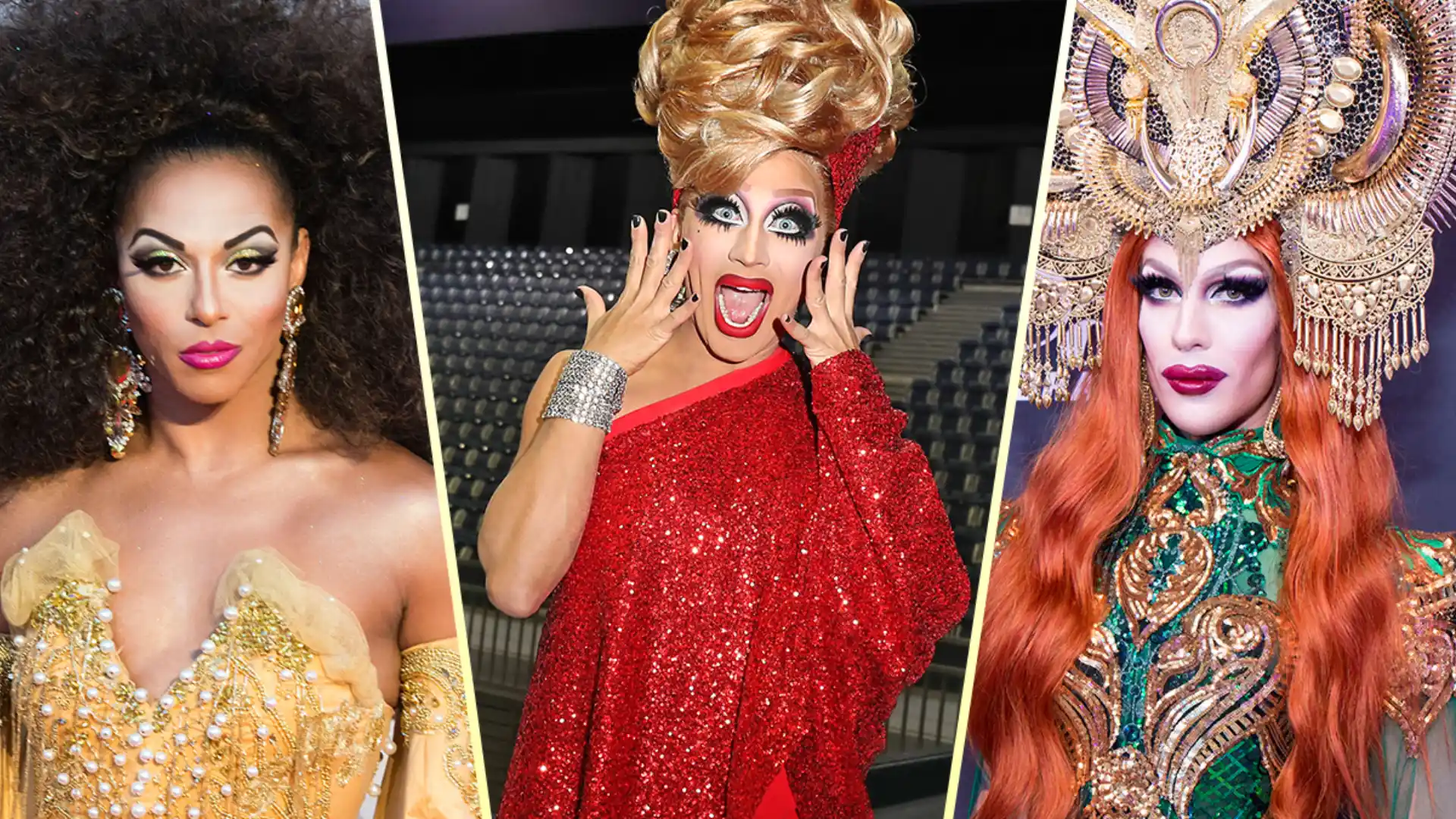
Not necessarily, and it’s important not to assume.
Drag is a performance art. A drag queen dresses up and performs, usually for entertainment. It’s a creative expression, not a statement about gender identity.
Most drag queens identify as cisgender men outside of their performances. Some may identify as transgender or non-binary, but that’s their personal identity, not a rule.
Though drag began in the LGBTQ+ community, it has increasingly become part of the wider cultural landscape through shows like RuPaul’s Drag Race. [Source: Human Rights Campaign]
Don’t assume someone’s gender identity based on how they dress or perform. Always follow the person’s lead
Transvestite vs. Transgender vs. Transsexual
These three terms can feel confusing at first, especially since they all start with “trans.” But each one means something different.
| Factor | Transvestite | Transsexual | Transgender |
|---|---|---|---|
| About | Clothing choice | Medical transition | Gender identity |
| Inner identity | May not change | Identifies as the opposite gender | Core sense of self |
| Medical procedures | Not involved | Often pursued | Personal choice |
| Umbrella term? | No | No | Yes |
| Still used today? | Often avoided | Less common now | Widely accepted |
| Sexual orientation | Not related | Not related | Not related |
| Community preferred? | Rarely | Sometimes | Yes |
These are general distinctions. Every person’s experience is unique, and the words they use for themselves always take priority.
If You Are a Parent Reading This
Finding out your child identifies as transgender or enjoys cross-dressing can feel overwhelming. That’s okay. You don’t need to have all the answers right away.
The following is what you can do to help:
- Listen first. Let your child speak without interrupting or judging.
- Don’t panic. Your reaction shapes how safe they feel with you.
- Ask questions kindly. “How can I support you?” goes a long way.
- Learn as you go. No parent knows everything from day one.
Your child doesn’t need a perfect parent. They need a present one.
To Wrap Up
Words carry weight. Using the right ones shows respect, and that’s really what this all comes down to.
Transvestite vs transgender are not the same thing. One is about clothing. The other is about identity. Mixing them up can hurt real people, and now you know better.
A simple rule: don’t assume, don’t label, and don’t guess. If you’re unsure what word to use, just follow the person’s lead.
And if you’re a parent, a friend, or simply someone trying to understand, keep going. Keep learning.
Got questions or thoughts? Drop them in the comments below.
Frequently Asked Questions (FAQs)
1. What’s Another Name for a Femboy?
Some people use terms like “feminine male,” “gender-nonconforming male,” or simply a person who expresses femininity.
2. What Does a Cd Girl Mean?
“CD” stands for cross-dresser. A CD girl typically refers to someone assigned male who wears feminine clothing.
3. What Does Skoliosexual Mean?
Skoliosexual describes someone who is attracted to non-binary, genderqueer, or gender-nonconforming people specifically.
