






If you’ve ever dealt with unexpected dryness, recurring irritation, or that vague sense that something’s just off down there, you’re not imagining it, and you’re definitely not alone.
Vaginal health tends to get buried under conversations about skincare and heart health, but it’s just as real, and just as worth understanding.
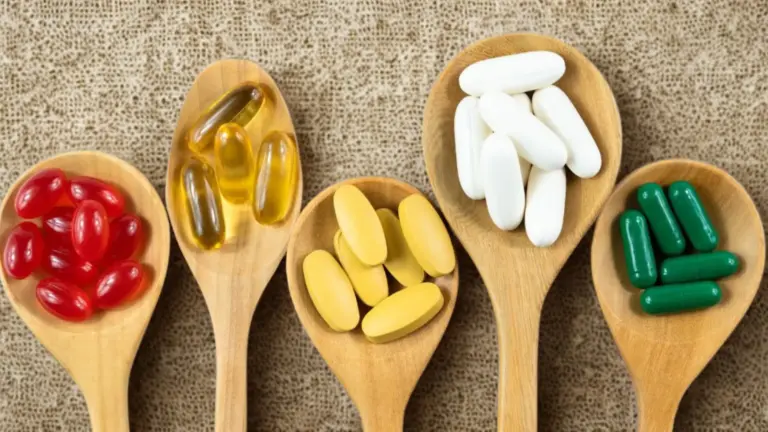
Sometimes your body needs a little extra support, and that’s where certain vitamins and supplements come in.
Let me walk you through it.
Quick note: This article is for general information and it’s not medical advice. Before adding any supplement to your routine, it’s worth checking with your GP or gynecologist, especially if you have existing conditions or take other medications.
Do You Really Need Supplements for Your Vaginal Health?
You’ve probably seen ads for vaginal health supplements, such as probiotics, pH-balancing pills, and boric acid capsules, but do you actually need them?
Here’s the thing: your vagina is self-cleaning. It keeps itself balanced without any help from a capsule.
But life gets in the way. Antibiotics, stress, hormonal shifts, a new partner — any of these can throw the balance off.
When that happens, some supplements genuinely help your body get back on track.
So the answer isn’t a blanket yes or no. It depends on what’s going on with your body, right now.
Best Vitamins for Vaginal Health – Gynecologists’ Recommendations
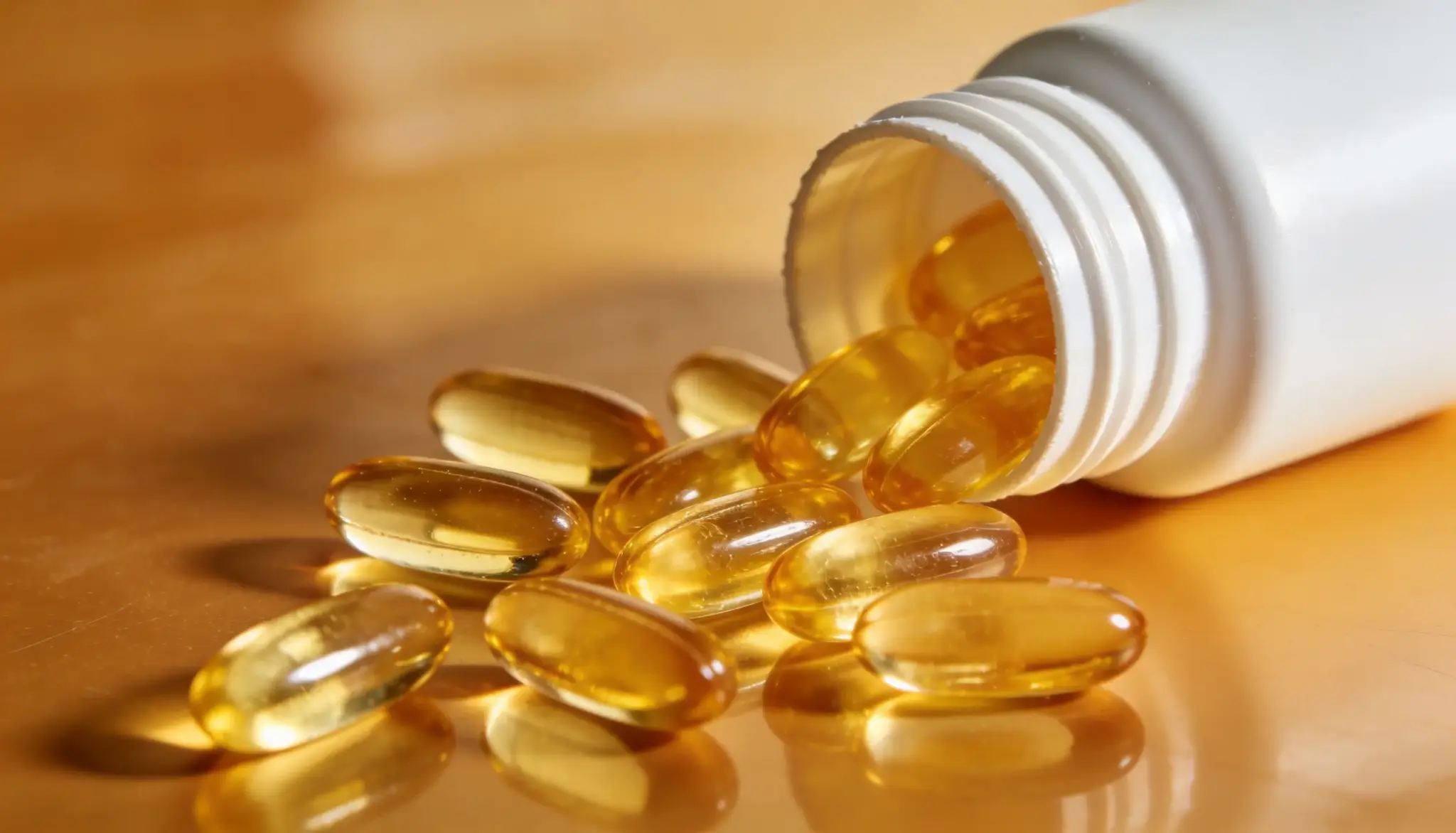
A healthy vaginal area means balanced bacteria, proper moisture, healthy tissue, and a strong immune system.
And sometimes you might just need some supplements to keep it better.
1. Vitamin D
Vitamin D helps the immune system fight harmful bacteria and yeast.
According to NIH, low vitamin D levels mean a higher chance of bacterial imbalance and vaginal dryness, especially in older women and during menopause.
But how do you know if you have low vitamin D?
It may include tiredness, muscle weakness, low mood, and frequent infections.
Safe sunlight exposure, eggs, fatty fish, fortified milk, and supplements can help maintain healthy levels.
2. Probiotics
Probiotics are one of the most talked-about options for vaginal wellness.
Helpful bacteria called Lactobacillus help keep the vaginal area acidic, which makes it harder for harmful germs to grow.
Oral probiotics are used for daily support, while vaginal probiotics may be suggested after infections or antibiotic use, according to WebMD.
Yogurt, kefir, kimchi, and fermented foods naturally contain beneficial bacteria that support balance.
3. Vitamin C
Vitamin C helps support a healthy acidic environment in your vagina.
This balance helps lower odor and irritation linked with bacterial overgrowth. It also acts as an antioxidant, helping protect body tissues from damage.
Citrus fruits, strawberries, bell peppers, and broccoli are good sources of nutrients.
4. Vitamin E
Vitamin E is the one I’d flag most for anyone going through perimenopause or using hormonal contraceptives that cause dryness.
It supports the skin and mucosal tissue that lines the vaginal walls. So when those tissues get dry or irritated, vitamin E (from almonds, sunflower seeds, spinach, or a supplement) can genuinely help.
Some women also use vitamin E oil topically for external dryness, though that’s worth discussing with your gynecologist first.
5. Omega-3 Fatty Acids
Omega-3 fatty acids calm inflammation linked with discomfort and irritation. They support skin hydration and healthy tissue function throughout the body, including your vajayjay.
Salmon, sardines, walnuts, chia seeds, and flaxseeds are filled with omega-3 fatty acids.
6. Zinc
Zinc supports immune function and tissue repair — both useful when your body’s dealing with a yeast imbalance or recurring infections.
Low levels make it harder to fight off these issues efficiently.
Pumpkin seeds, beans, nuts, seafood, and lean meat are solid food sources.
One thing worth knowing: high-dose zinc supplements can cause nausea and may deplete copper over time, so more isn’t always better here.
Stick to the recommended daily amount unless a doctor advises otherwise.
7. Folate and B Vitamins
Folate and B vitamins support hormone balance, energy production, and stress control. Hormonal changes can often affect vaginal moisture, comfort, and bacterial balance.
Leafy greens, eggs, legumes, whole grains, and fortified cereals contain B vitamins.
While supplements cannot replace medical treatment, they may help reduce common concerns when combined with healthy daily habits.
8. Sea Buckthorn Oil
Sea buckthorn oil is a lesser-known one, but it’s worth including.
It’s rich in omega-7 fatty acids – a type that specifically supports mucosal tissue hydration, which is why it shows up in research on vaginal dryness and atrophy.
It’s particularly useful if hormonal changes are the root cause of your dryness.
What Vitamins are Good for pH Balance?
Your vaginal pH should stay between 3.8 and 4.5 so that slight acidity keeps bad bacteria away, but the stress, diet, antibiotics, and hormonal changes can disturb it.
So what to do? Vitamin C is a good one as it lowers pH and prevents the growth of harmful bacteria.
Probiotics with Lactobacillus strains keep good bacteria in charge.
Vitamin D also helps because its low levels are linked to bacterial vaginosis. Boric acid capsules help restore pH balance fast.
How to Look After Your Vaginal Health?
Good vaginal health does not require a 10-step routine or a lot of vaginal health supplements.
It starts with small, simple habits you can build into your day. Instead, try these:
- Wear breathable cotton underwear to reduce moisture buildup.
- Change out of sweaty clothes quickly.
- Clean the external area with water or a mild, unscented soap – the inside takes care of itself.
- Eat nutrient-rich foods and stay hydrated to support your intimate health.
- Skip the scented sprays and wipes: They do more harm than good.
- When touching yourself, always use clean hands and toys.
Do Probiotics Help Get Rid of Fishy Smell?
A fishy smell down there usually means your bacterial balance is off, and that is where probiotics come in.
Probiotics introduce beneficial bacteria, mainly Lactobacillus strains. These crowd out the bad bacteria that cause the odor, and studies show they actually work.
But probiotics are not a one-day fix; you need to take them consistently for weeks, not days.
So yes, probiotics help. But pair them with good hygiene habits for the best results.
When to See Your Gynecologist?
Vaginal symptoms should not be ignored, especially if they last for several days or keep coming back.
- Persistent odor
- Unusual discharge
- Burning
- Itching
- Pain during urination or sex
These can point to BV, a yeast infection, or an STI – all of which need diagnosis, not just supplements.
A gynecologist can usually work out what’s happening through a symptom review, physical exam, and a simple swab if needed.
If symptoms keep coming back despite treatment, ask your gynecologist about longer-term management.
Recurring BV in particular can be frustrating to treat on your own, and there are targeted clinical protocols that work better than cycling through supplements.
Conclusion
Taking care of vaginal health does not need complicated routines or expensive products.
Simple habits can help your body function better over time.
The best vitamins for vaginal health support bacterial balance, moisture, immune health, and overall comfort.
It is also important to remember that everybody responds differently. Pay attention to your symptoms and seek medical advice when needed.
Frequently Asked Questions (FAQs)
1. Can I Take All These Vitamins Together?
Not always. Some vitamins can interact with each other, leading to side effects. Always check with your gynecologist.
2. Are Vaginal Health Supplements Safe During Pregnancy?
Some supplements may be safe during pregnancy, but pregnant women should always speak with a doctor before taking them.
3. Can Hormonal Birth Control Affect Vaginal Health?
Yes, some hormonal contraceptives may affect vaginal health, though symptoms and changes can vary from one woman to another.
