
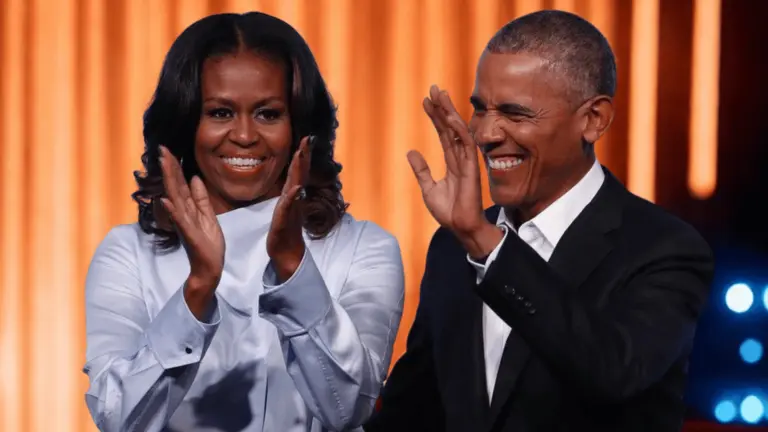






Love does not check a box for skin color, yet plenty of people still act as if it should.
Maybe you have felt the stares or fielded those awkward questions at family dinners. Interracial couples are quietly rewriting what a modern relationship looks like.
Now, let’s understand how interracial relationships are bending old rules.
Let’s get into it.
What are Interracial Couples?
These are two people from different racial or ethnic backgrounds who share a romantic relationship.
One partner might be Black, and the other white, or maybe one is Asian and the other Latino; the mix can take any form.
These pairings cross lines that society once drew hard and fast. Today, they show up everywhere, from small towns to big cities.
This relationship is love that spans two cultures. What ties them together is not race at all, but the same stuff that holds any couple close.
Trust, respect, and a willingness to learn from each other. The label just describes who they are, not how they love.
The History of Interracial Marriage
Love between races was not always allowed. In the United States, many states once banned it. Some other countries had similar rules, too.
The bans lasted well into the mid-1900s. Breaking these rules carried significant risks.
Couples could face arrest, jail time, or even violent attacks, and some lost their jobs or their homes.
- Anti-miscegenation laws: Dozens of U.S. states banned interracial marriage, mostly in the South.
- The Lovings: Richard and Mildred Loving married in Washington, D.C., in 1958. They were arrested back home in Virginia soon after.
- Loving v. Virginia: On June 12, 1967, the Supreme Court ruled in their favor. The court said the bans broke the 14th Amendment.
- Shifting attitudes: Public support for these unions continued to rise over time. What once felt taboo became normal.
- Growth in interracial families: In 1967, about 3% of newlyweds married across races. By 2015, that number reached roughly 17%.
The Lovings never wanted to be famous. They just wanted to stay together, and that simple wish changed the law for every relationship after them.
Psychology Behind Interracial Relationships
What pulls two people from different backgrounds together, and what keeps them close?
A lot of it comes down to plain human nature — we tend to warm up to the people we spend time with.
There is a flip side, too; these couples feel a bit more jealous when facing outside disapproval.
The fix is a strong sense of “us”: partners who feel like a team watch that worry fade quickly. So the psychology blends attraction, teamwork, and a whole lot of heart.
Challenges Faced by Them
They often deal with a few extra struggles, some come from strangers, others from family, and a few from inside the home itself.
1. Social Judgment and Public Reactions
People stare, whisper, and sometimes they ask rude questions that sting.
Maybe it’s the couple two tables over who go quiet mid-conversation the second you sit down, or the cashier who assumes you’re not together until you say otherwise.
An interracial couple often feels watched in restaurants, stores, or just walking down the street; that constant attention wears on you.
It is exhausting to feel like your love needs to be explained to strangers who never asked for permission.
2. Family Resistance and Cultural Expectations
The family doesn’t cheer you on; some parents hold tight to old expectations about who their child should marry.
Maybe it shows up as a mother who “forgets” to mention your partner to relatives, or a father who keeps asking when you’ll “come to your senses.”
Maybe they want you to keep traditions a certain way; this pushback hurts deeply. It forces couples to choose between the people they love and the family who raised them.
3. Racial Bias and Discrimination
Bias does not always shout; sometimes it hides in a landlord’s excuse or a coworker’s side-eye.
The couple faces this added weight that other couples rarely carry. Research shows this stress can even affect health.
Carrying that burden together takes strength, day after day.
Differences in Communication Styles and Upbringing
You grew up one way, and your partner grew up in another. Maybe one of you talks through every feeling while the other stays quiet. These small gaps add up fast.
This relationship asks both partners to learn each other’s rhythms, slowly and with patience.
| Communication Style | How It Shows Up | What Helps |
|---|---|---|
| Direct expressers | Says exactly what they feel in the moment | Patience while the other partner processes |
| Internal processors | Needs time alone before discussing feelings | Giving space without taking the silence personally |
| Conflict avoiders | Withdraws or changes the subject during tension | Gently returning to the conversation later |
| Confrontational styles | Wants to resolve things immediately, even if heated | Slowing down before reacting |
Neither style is wrong. They are just different starting points, shaped by different homes, different families, and different ideas of what feeling safe actually looks like.
Strengths Interracial Couples Experience
Loving across cultures builds a few skills that other couples might not need as much.
1. Communication
When two backgrounds meet, partners learn to ask, listen, and hear each other.
Research from the University of Toronto found something interesting here. Couples who built a strong sense of “us” handled outside stress far better.
That shared identity acts like a buffer against stares or family pushback.
2. Empathy
Seeing the world through another culture’s eyes tends to stretch your heart.
A 2024 study even noted that the couples often grow more resilient over time. They get good at accepting differences and bending without breaking.
3. Everyday Richness
These couples blend food, holidays, and family customs into something new, and the cultural mix can feel like a gift.
So while the relationship comes with its own pressures, many partners walk away stronger, kinder, and more open than before.
Divorce Rates and Relationship Stability
After ten years, about 41% of couples had split [Source: healthymarriageinfo.org]. For same-race couples, that figure was 31%.
So yes, the gap is real, but the full picture is messier than one number.
Some pairings actually last longer than average. Black wife and white husband couples, for example, divorce less often.
Experts say outside stress matters more than race itself. When couples enjoy similar lives, the gap nearly vanishes.
Love and effort, not race, decide if a marriage holds
How do Couples Work Through Differences?
They lean on respect, patience, and a lot of honest talk. None of it is fancy, but it holds the relationship together when differences pop up.
- Open communication: They speak up when something feels off. Saying it early stops small mix-ups from growing into big fights.
- Cultural curiosity: Each partner learns the other’s holidays, food, and customs. That effort builds the strong “us” feeling that research links to lasting bonds.
- A united front: They decide together how to handle family pushback. Then they stand as a team.
- Patience and humor: Differences rarely vanish overnight. A little laughter eases the hard moments.
Interracial Marriage and Family Life
Life under one roof brings its own joys and puzzles.
The couples often raise kids who grow up with two cultures at once, which can be a blessing.
Children learn more than one language, taste different foods, and celebrate twice the holidays. They see the world with wider eyes.
Of course, parents face questions too. How do they teach their kids about race? Which traditions do they keep? Most couples blend both sides and build something fresh.
Day-to-day, this relationship at home looks a lot like any other. It runs on love, patience, and shared meals.
Famous Interracial Couples
Some couples show the rest of us what crossing cultures can look like. Their love plays out in public, stares and all.
1. Barack Obama & Michelle Obama
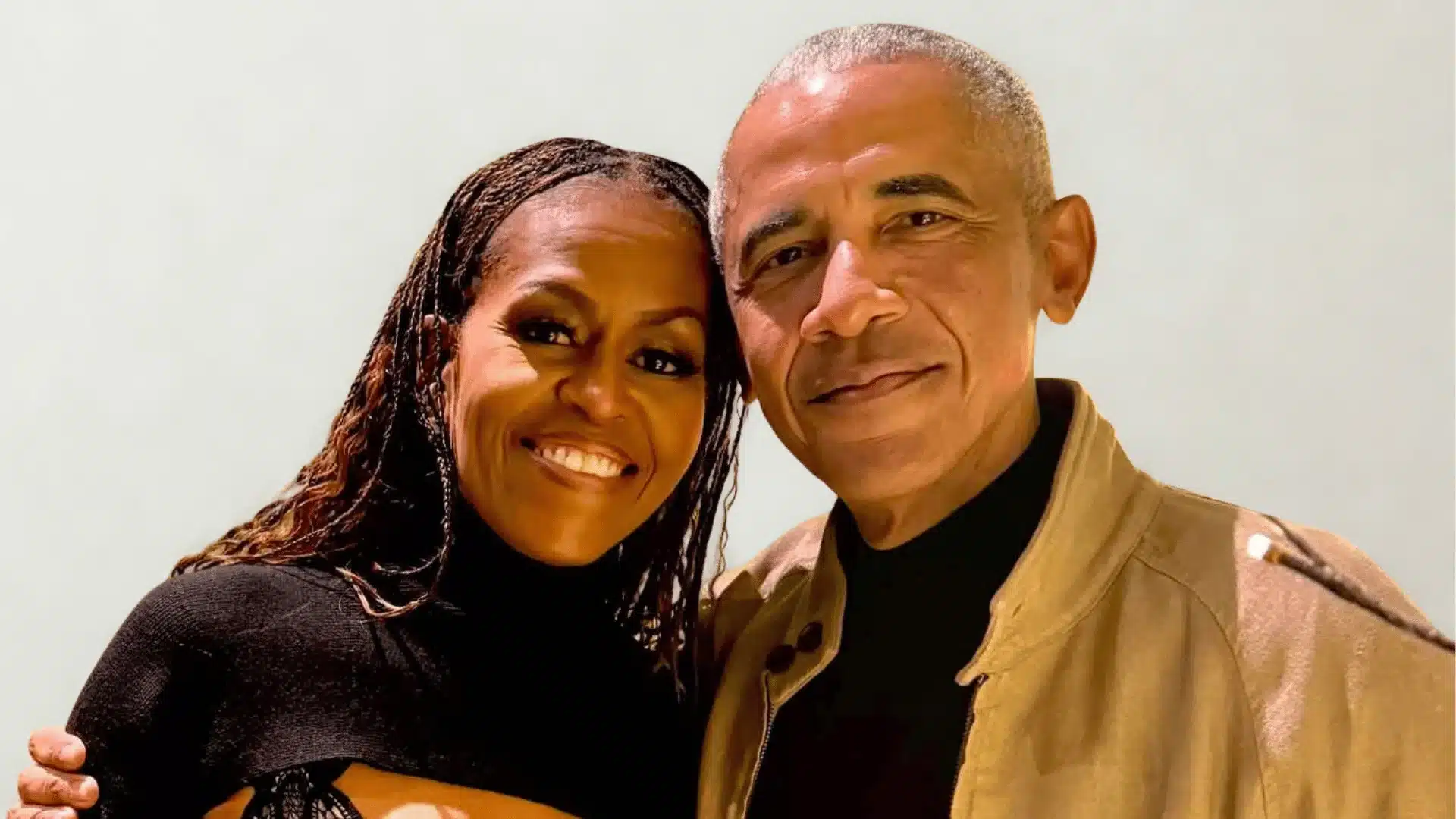
Barack Obama is the son of a Black father from Kenya and a white mother from Kansas. Michelle grew up on Chicago’s South Side.
Their bond held symbolic meaning for many Americans. As the first family in the White House, they showed strength and partnership to the whole world.
2. Prince Harry & Meghan Markle
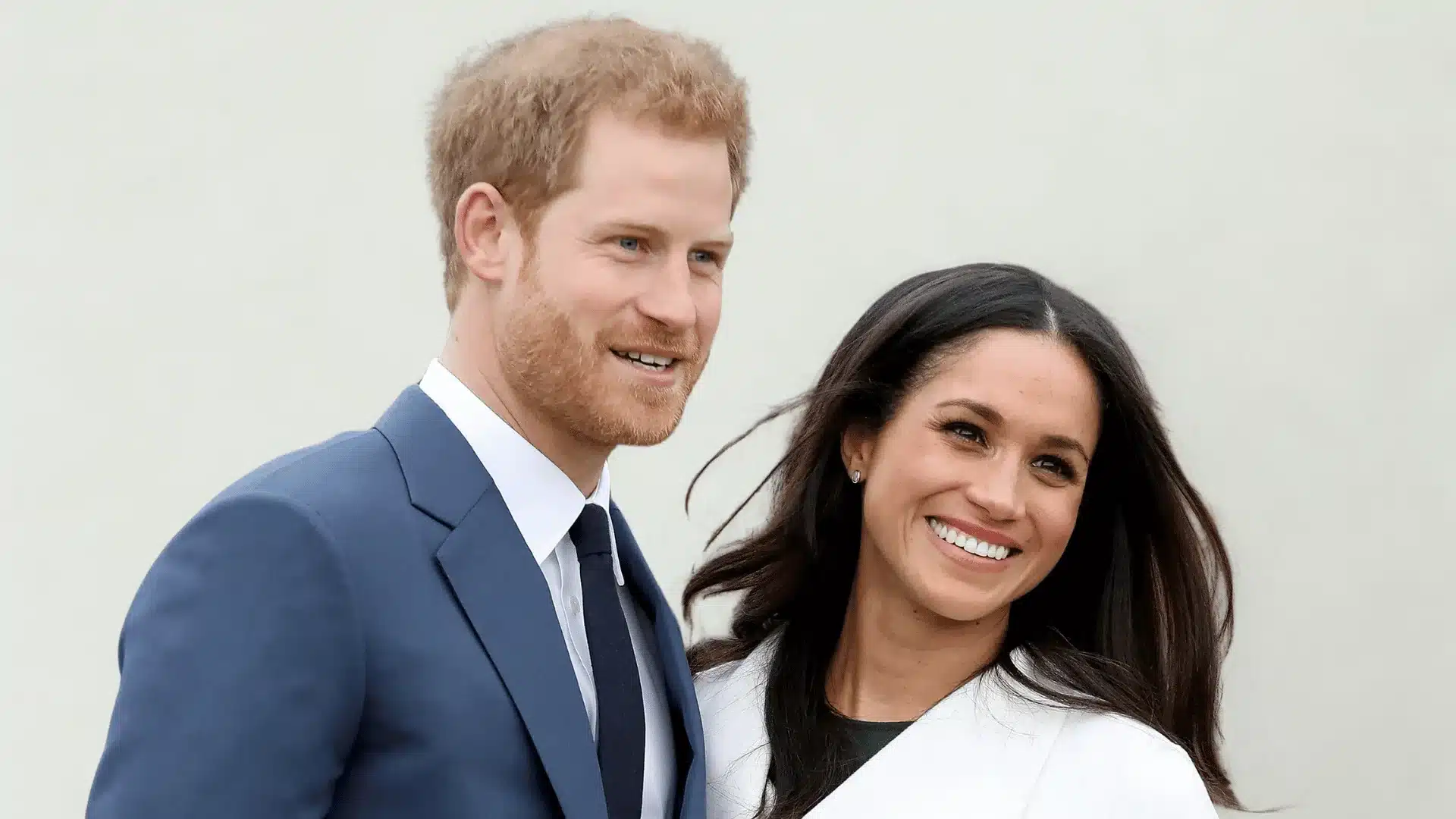
Prince Harry is British royalty. Meghan Markle is a biracial American actress with a Black mother and a white father.
Their 2018 wedding drew global eyes.
The couple faced harsh press and family strain. In the end, they stepped back from royal duties and built lives on their own terms.
3. John Legend & Chrissy Teigen
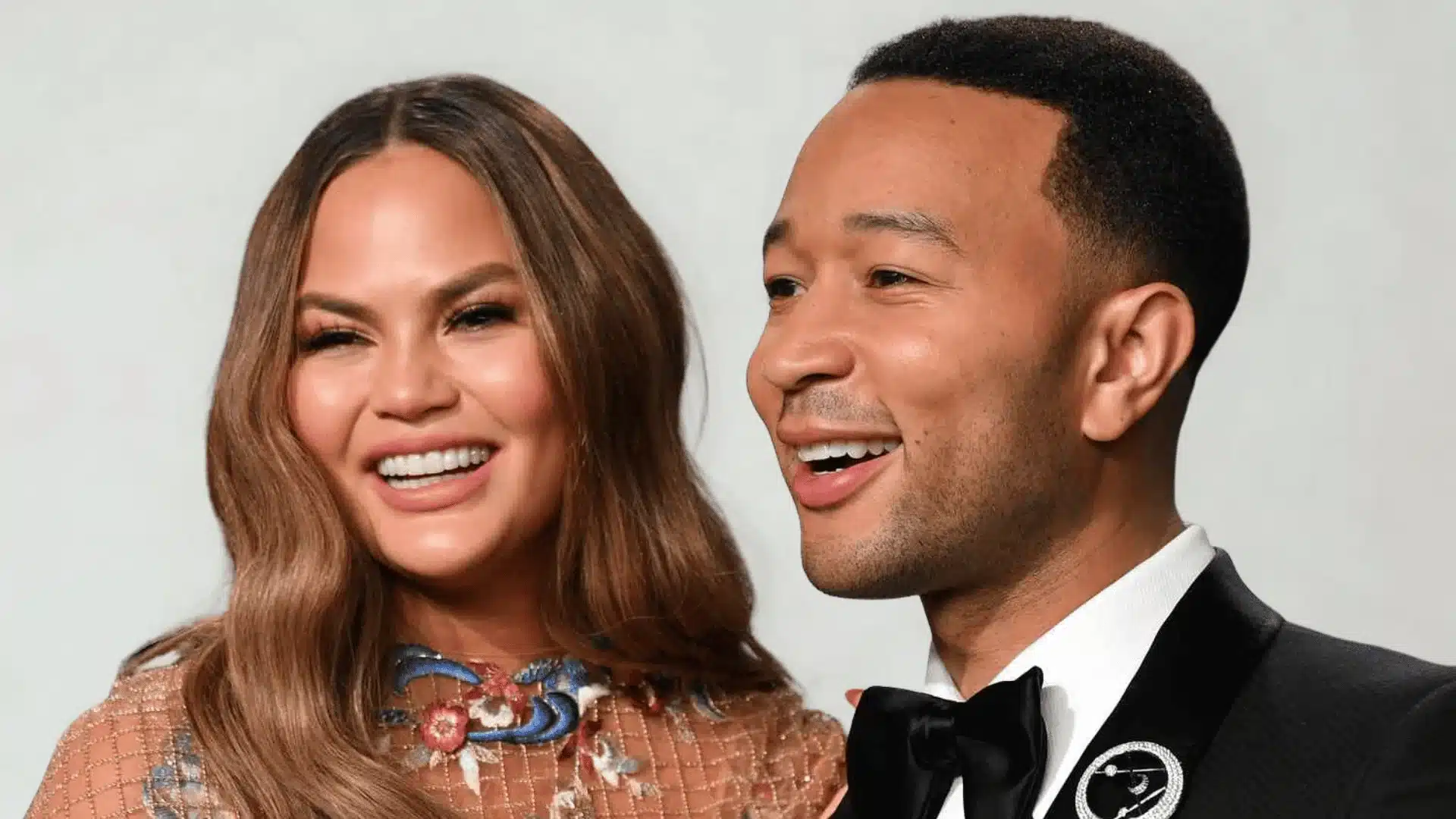
John Legend is a Grammy-winning Black singer. Chrissy Teigen is a model of Thai and Norwegian descent.
The two married in 2013 and now raise four kids. They share their joys and struggles openly online. Their warmth makes this relationship feel refreshing.
Movies that Highlight Interracial Relationships
Films about interracial love often use romance to dig into culture, prejudice, and family pressure.
Take Guess Who’s Coming to Dinner (1967). It puts liberal parents to the test when their white daughter brings home her Black fiancé, sparking honest talk about race and marriage.
Mississippi Masala (1991) follows an Indian-American woman and a Black man in the American South, looking at identity, displacement, and community gossip.
Then there is The Big Sick (2017), a true-story romance that mixes comedy and heartache. It shows a Pakistani immigrant family clashing with their son’s American girlfriend while illness tests everyone.
Across the decades, these films track shifting attitudes and keep love front and center, friction and all.
Final Thoughts
Look how far love has come. The couples used to fight just to exist, but now they are busy rewriting the playbook, and these couples keep showing up for each other.
That stubborn kind of love is exactly what moves the world forward.
Every interracial relationship chips away at old walls. It makes room for the rest of us to love freely, no permission needed.
Now I want to hear from you. Drop a comment and tell me your story or your take, and if this hit home, share it with someone who needs the reminder that love wins.
Frequently Asked Questions(FAQs)
1. What is the Most Common Interracial Couple?
The most common interracial marriage in the United States is between White and Hispanic spouses. However, patterns vary by country, region, age group, and demographic trends.
2. What is the 7-7-7 Rule for Couples?
The 7-7-7 rule encourages couples to have a date night every 7 days, a weekend getaway every 7 weeks, and a vacation every 7 months.
3. What is the 37% Rule in Dating?
The 37% rule suggests considering the first 37% of potential options before choosing a partner, helping balance exploration with commitment and decision-making.
