
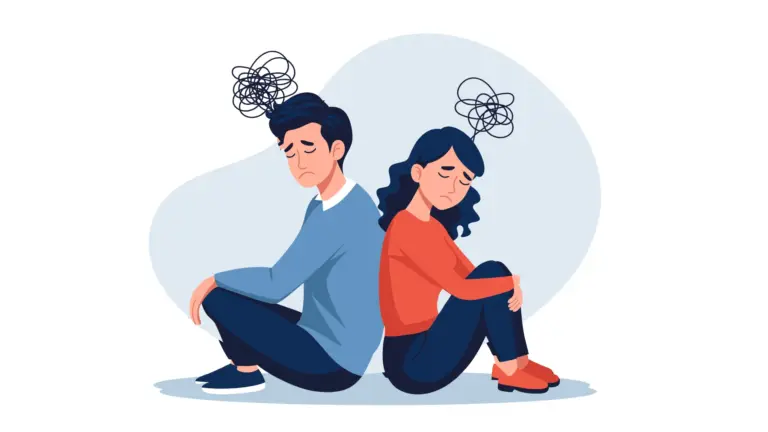






Avoidant attachment is a term most of us are now quite aware of because of endless reels on social media or “self-help” books that promise a quick fix for life and relationships.
Our attachment styles influence behavior in romantic relationships.
And people with fearful or dismissive-avoidant attachment experience love quite differently.
This blog will help you better understand fearful avoidant vs dismissive avoidant attachment styles and how to deal with such behavior.
What is an Avoidant Attachment Style?
An avoidant attachment style is often misinterpreted and has, to some extent, become synonymous with being “emotionless.”
That is true, but it’s not the lack of emotions; it is the fear of getting hurt and being unable to trust anyone.
And sometimes not even yourself.
This attachment forms during childhood and is shaped by a person’s relationship with their parents or primary caregivers.
To avoid something real or emotionally intimate, they prefer casual, short-term relationships or hookups, or they tend to withdraw or become distant when a relationship starts to feel real.
Fearful Avoidant Attachment
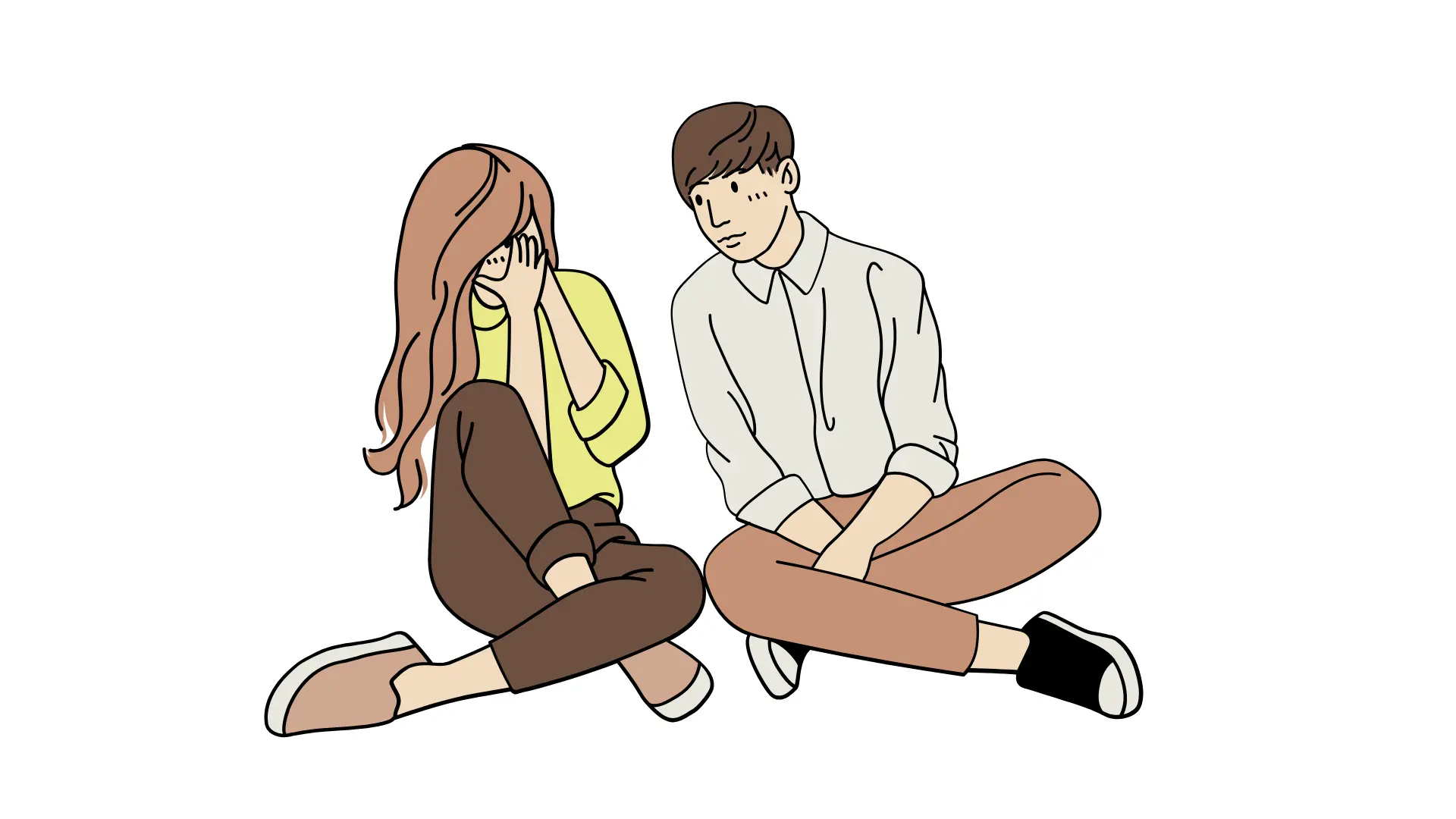
A fearful avoidant is internally struggling at all times, fearing relationships and dating, especially the minute they feel real.
It is also called a disorganized attachment style.
- Craving connection but fearing rejection.
- Creating a push-and-pull dynamic that leaves their partner confused and hurt.
- Finding it very difficult to trust anyone and fearing betrayal and abandonment.
- Emotionally volatile and experiencing major highs and lows in feelings.
- Being hypervigilant of their partners, overanalyzing their tone, body language, and behavior.
Emotional Patterns
Fearful avoidants have an emotional pattern that develops as the connection becomes more genuine. These patterns emerge when they feel stressed or scared.
Intimacy Panic: Panicking when there is emotional intimacy, sudden waves of anxiety, or feelings of suffocation.
Low Self-Worth: Feelings of chronic loneliness and never being understood because of low self-value.
Hidden Shame: Dealing with shame and feelings of defectiveness, believing they are unlovable and toxic for others.
Prepared for Loss: Anticipating breakup or betrayal all the time, anxious when the relationship is going well.
How this Attachment Develops
There are many reasons someone might be fearful-avoidant. This attachment style develops over time and through life experiences.
- During childhood, inconsistent or conditional love and attention from parents or primary caregivers.
- Being parentified as a child, becoming the caregiver rather than being cared for by parents.
- Unhealthy relationships or betrayals in past relationships.
Think of a parent who was both a source of comfort and a source of anxiety makes love and safety unpredictable; this makes the child believe love can also be unsafe and temporary, especially based on their worth.
Dismissive Avoidant Attachment
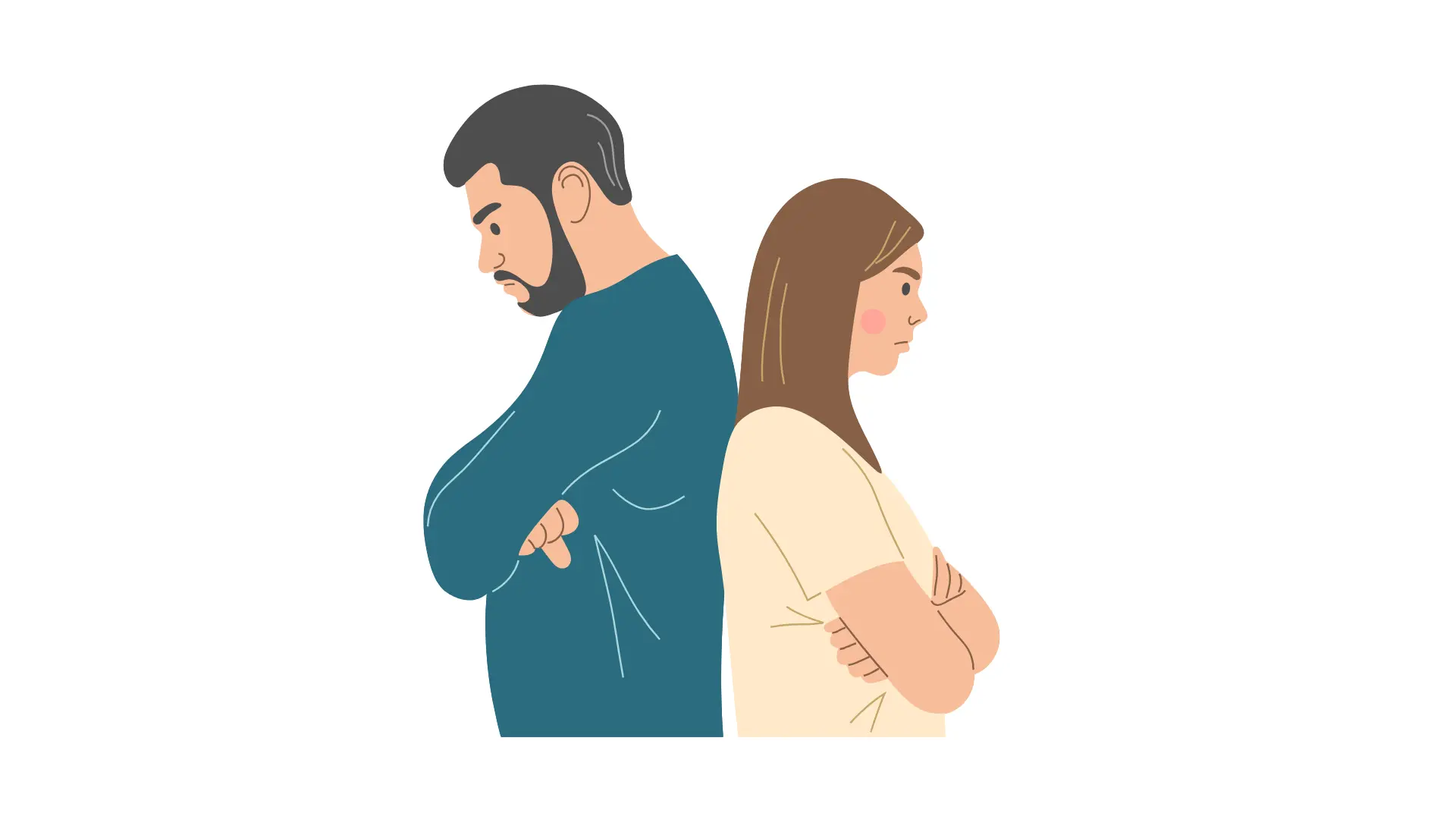
A dismissive avoidant is someone who has learned not to need anyone and not to be needed by anyone. Or at least that is what they like to believe and show.
- Hyper-independence becomes their defense mechanism.
- Repressing feelings when feelings or the connection gets too intense.
- Avoiding conflict of any kind in relationships and stonewalling partners.
- Preferring superficial or short-term bonds over something lasting.
Emotional Patterns
Dismissive avoidants choose silence over any emotional dialogue. They develop a certain emotional pattern to avoid any relationship discomfort.
- Hiding Feelings: Emotions remain hidden behind silence or vague explanations.
- Deactivating method: Letting emotional vulnerability dissolve in the background, so that they don’t have to face their partner’s questions and themselves.
- Hyper-focusing: They will focus overtly ontheir partners’ flaws rather than appreciating them for who they are, to justify breaking up.
- The Phantom Ex Syndrome: Idealizing past relationships or a certain ex to run away from a new relationship and avoid commitment.
- Hidden Low Self-Worth: Masking core feelings of unworthiness under a false sense of pride or overachievements.
How this Attachment Develops
Dismissive attachment develops from many factors in a person’s life. It is common for such individuals to continue to cling to this attachment in life to avoid disappointment.
When parents or primary caregivers are emotionally unavailable, or independence is awarded early in childhood.
Not needing anything and expressing your needs as a child can make people repeat similar patterns in their interpersonal relationships.
Believing “I am my only safety”. Not trusting anyone else. And feeling shame for wanting love or safety.
Wanting to keep complete control of their life, always playing it safe.
When asked how they feel, they minimize it by saying, “It’s fine,” I am okay”, “It’s not that big a deal.” This points towards dismissal of their feelings and their partner’s.
Fearful Avoidant vs Dismissive Avoidant in Different Relationships
Dating
In the early stages of dating, fearful avoidants frequently move quickly while displaying a great deal of warmth and interest.
Then, as soon as sentiments begin to develop, they retreat, leaving the other person perplexed. They read into every sentence, delay, and tone shift.
For as long as possible, dismissive avoidants maintain a lighthearted, informal courting style.
They are reluctant to share anything personal and hardly ever text first. They establish the tempo early on because they value space more than momentum.
Courtship
A terrified avoidant seeks confirmation that the other person is sincere during romance.
To check if their partner stays, they test the relationship by occasionally starting minor arguments.
One day, grand gestures seem lovely, and the next, they are oppressive. Dismissive avoidants don’t like labels and prefer to court on their own terms.
They express concern by deeds rather than words, and they withdraw if the situation becomes too heated.
Both struggle with consistency, but for quite different reasons.
Breakups
Breakups are the toughest for fearful avoidants, who alternate between great regret and relief.
They might plead to be reunited, but once they do, they can feel stuck again. Long after the relationship is over, the push-pull persists.
Dismissive avoidants often act as though they have moved on and shut down rapidly. They keep themselves occupied to avoid the emotions, burying the hurt and concentrating on independence.
When the walls go down, the grief frequently manifests much later.
Commitment
Fearful avoidants want commitment and want a stable relationship, but due to fear of abandonment, they self-sabotage the relationship.
That can look like going silent or wanting constant reassurance, which might feel claustrophobic for their partner.
Dismissive avoidants dodge commitment by saying they don’t feel ready and letting time pass.
They may want the relationship to work but keep their partner waiting, secretly trying to assess whether their partner is willing to stay.
Notice patterns, not people. Recurring tendency to disappear then return, or shut you out and then try to rebuild the connection.
How Fearful Avoidant vs Dismissive Avoidant Behave in Relationships?
There are certain patterns of behavior that fearful and dismissive avoidants repeat in their relationships.
They are clear indicators of their attachment style. It becomes easy to identify them with a genuine understanding of the attachment styles.
Fearful Avoidant Behavior
- They might constantly seek reassurance from their partners, and then disappear when things are genuinely going well.
- They experience rejection much more intensely than people with other attachment styles.
- High intimacy sets off an alarm in their mind, but they also cannot let go because they do want affection and care.
Dismissive Avoidant Behavior
- They need a lot of space to function in a relationship, without space to be alone.
- They feel trapped in the relationship and may start to think they are losing their independence or sense of self.
- They struggle to commit and say “I love you”, even if they do feel it. So they may appear emotionally distant, unable to express their feelings, etc.
Is Healing Possible?
Yes, only if they want to work on their attachment style and build a healthy relationship.
It involves forming a secure attachment and adapting to new attachment traits in accordance with their partner.
Therapy, self-awareness, creating a safe space, and talking about their childhood, parents, and past traumatic heartbreaks can help a lot to build mutual trust and emotional intimacy.
Inculcating intentional habits for individuals with fearful or dismissive-avoidant attachment can help cultivate long-lasting, healthy relationships.
Final Words
There is no right or wrong way to love; some people can be a bit more challenging to love.
It is about whether you want to put in that effort and whether they want to be there to help you along the way.
Both fearful and dismissive avoidants are still deserving of love and a good partner who cares for them; all they need is someone willing to be patient with them.
It is all about meeting them halfway to create a secure relationship that can go the distance over time, rather than running away.
Do not believe biased, online self-quizzes for understanding your attachment style. They are not always accurate. Only a licensed therapist can help you restructure your attachment style over a long period of therapy sessions and self-work.
Frequently Asked Questions (FAQs)
1. Is Fearful Avoidant Worse than Dismissive Avoidant?
Neither is “worse”; they’re different survival strategies for the same underlying fear of getting hurt.
2. Can Someone Switch Between Fearful Avoidant and Dismissive Avoidant?
Yes, under stress, people can shift between avoidant patterns, especially if their attachment history includes both inconsistency and neglect.
3. Do Dismissive Avoidants Miss their Ex After a Breakup?
Often, yes, but the grief tends to surface much later, once the initial emotional shutdown wears off.
4. Which Attachment Style Fears Intimacy More?
Both fear it, but the fearful avoidant feels the pull toward intimacy more acutely, which makes the fear more visibly painful.
