






Gooning has had a very different meaning throughout generations, literally.
According to Urban Dictionary, gooning is defined as a state usually achieved after the process of extended sexual excitement or masturbation, extending for several hours, while purposefully postponing orgasm to get a euphoric, trance-like feeling.
And that feeling is termed gooning.
But although the term gooning has an explicit meaning, Gen Z uses it as slang nowadays.
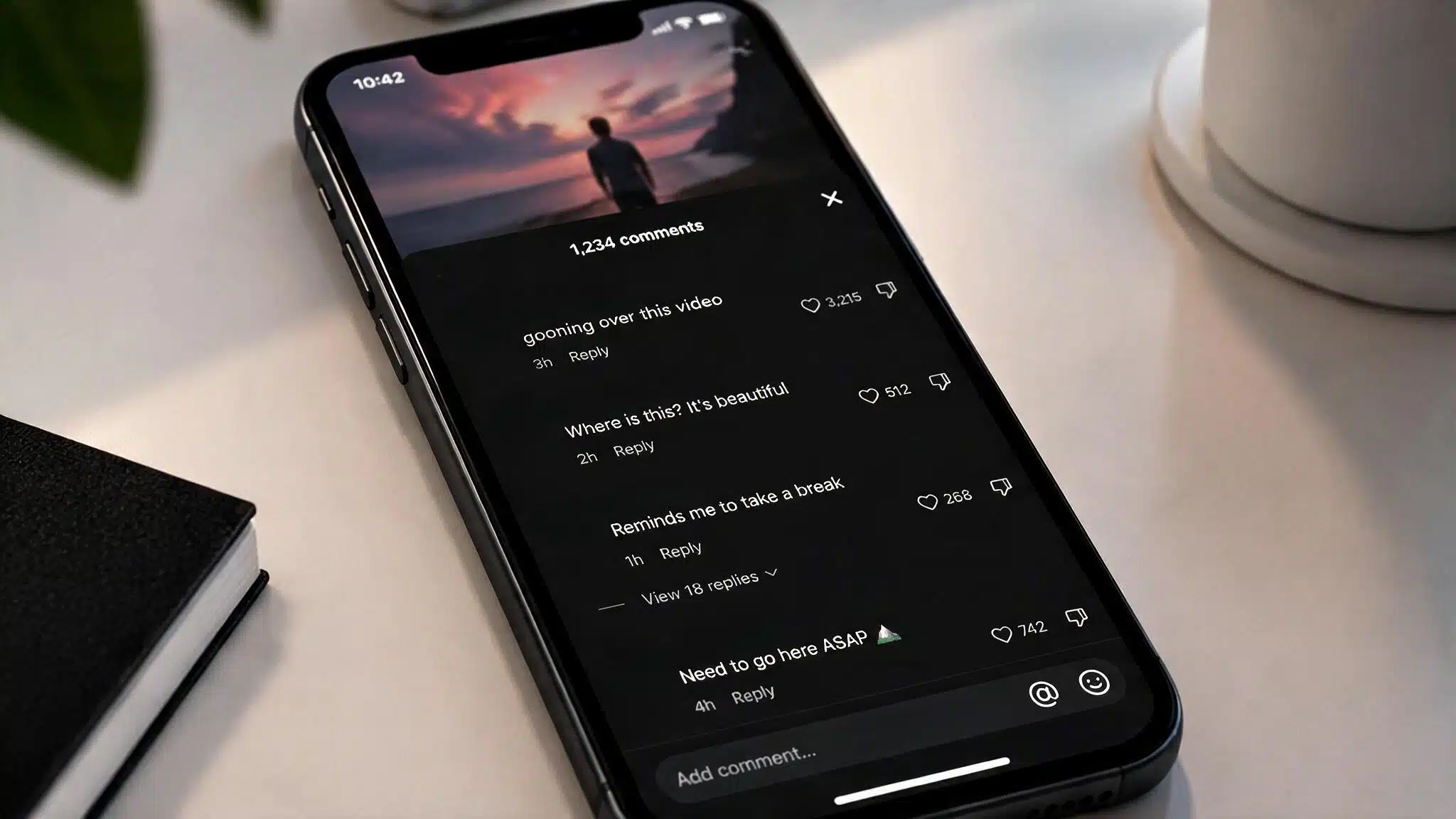
It is often a joke dropped in a comment, like “not me gooning over this puppy video for the fourth time” under a random TikTok.
Gen Z uses it humorously in memes or jokes.
Gooning Meaning as a Slang by Gen Z
Gooning is considered an NSFW term in its original meaning. It originated in adult online communities, where it referred to a specific type of prolonged sexual activity.
Gen Z now uses it to describe being so locked in on something that time slips away, whether that’s a video game, a show, or scrolling through the same three TikToks on a loop.
Like many other terms, this has recently gained popularity on TikTok, Reddit, X, and other social media platforms.
Calling yourself a “goon” for something, like a snack, a celebrity, or a random hobby, is a way of showing how unreasonably into it you are.
On social media, among friends, or in a joking comment section, it’s pretty harmless slang, but outside those spaces…….
It does have an explicit meaning.
How Does Gen Z Actually Use the Word?
Gen Z rarely uses gooning in its intended meaning.
Rather, the term appears in several common situations linked to distraction, obsession, or being entirely focused on something minor.
Gaming and Live Streaming
This is likely where the term is utilized the most.
A person might say they were gooning during a game that went into extra time, or while watching a beloved streamer pull off an impressive move.
It is the sensation of being fixated on a screen and losing awareness of everything around you for a moment.
Comment Sections
In comment sections, gooning serves as a humorous self-deprecation.
An individual confesses to having wasted an hour replaying the same video or refreshing a webpage for new information.
They call it gooning rather than simply saying they got distracted.
Context of Relationship or Infatuation
The term also appears in a more playful, non-explicit manner when someone is infatuated or obsessed with a crush.
To say you were gooning over someone simply means you couldn’t stop thinking about them, nothing else.
In Texting
Someone might send a single word like “gooning” as a reply when they don’t feel like explaining why they took two hours to text back.
It works as a catch-all excuse, covering everything from doom-scrolling to zoning out on a game.
And yes, after a certain point, you might end up using it more often than you know!
Is Gooning Bad?
When Gen Z uses gooning just as slang to describe being hooked on a game, a show, or some random obsession, it’s harmless and just for laughs.
Outside that context, the word carries an adult, explicit meaning, so using it around the wrong crowd is bad.
Be it coworkers, teachers, or anyone unfamiliar with the slang, it can come across as inappropriate.
It isn’t “bad” on its own, but it isn’t universally safe either.
Knowing your audience before using it makes the difference between a fun meme moment and an awkward misunderstanding.
Psychological Context of Gooning
Psychologically, gooning ties back to how attention and dopamine work.
When someone gets fully absorbed in something, be it a game, a video, a crush, the brain treats it as a reward loop, releasing dopamine that keeps pulling focus back to the same activity.
That is why the slang use feels accurate and feels like the “can’t look away” state.
In its original context, the term also comes up in discussions about compulsive behavior and impulse control, similar to how people talk about doom-scrolling or gaming addiction.
Either way, it points to intense focus that is harmless in small doses but worth noticing if it starts interfering with daily life.
More Gen Z Slang You Should Know
Once you’re online, you will run into a whole cluster of words that describe the same extremely online, dopamine-chasing energy.
These are some terms you must be aware of, and if you’re not, they’re below:
- Brainrot: This one’s all about mental fog that comes from scrolling short videos for hours on end.
- Delulu: Short for delusional, this term shows up when someone is convinced of something with zero evidence.
- NPC: This term is aimed at someone acting on autopilot, repeating the same reactions or opinions without much thought behind them.
- Mog: This word describes someone who outshines everyone else in a room, usually based on looks.
Do You Use “Gooning”?
Using “gooning” depends on who’s listening and where you’re saying it.
The word has a sexual origin, so it can land wrong in an office, a classroom, or any conversation where someone might take it the wrong way.
In friend groups and online spaces, people often use it as a joke to describe being completely locked in on something, like a video game or a new hobby.
Before you use it, think about the platform you’re on, who’s reading it, and what you’re trying to say.
Frequently Asked Questions (FAQs)
1. Is Calling Someone a “Goon” an Insult?
Not really. It’s playful and neutral, usually pointing out obsession rather than judgment. Among friends, it reads as a joke, not a criticism, depending on tone and context.
2. Where Does “Gooning” Trend the Most?
TikTok comments and gaming Discord servers use it most. Reddit threads about anime and fandoms also feature it often, usually tied to jokes about losing focus.
3. Is Gooning the Same as Simping?
Not quite. Simping is about doting on someone romantically, while gooning is broader and covers any obsessive fixation, not just crushes.
