






Sexuality means who a person feels drawn to.
It is also referred to as sexual orientation, and it covers who someone finds attractive, both physically and romantically.
For some, that attraction points to one gender.
For others, it points to many. And for a few people, it points to no one at all. And all of these are normal. Sexuality is not always fixed.
How Many Sexualities are There?
There are about 600 or more sexualities that exist, and maybe more that are not yet known.
Sexuality is not the same as gender identity, as gender identity is about who a person is and sexuality is about who they feel attracted to.
A person can be transgender and straight, or transgender and bisexual.
The two ideas are similar but very different. But let’s learn about some of the common sexualities.
Types of Sexualities from A to C
1. Allosexual
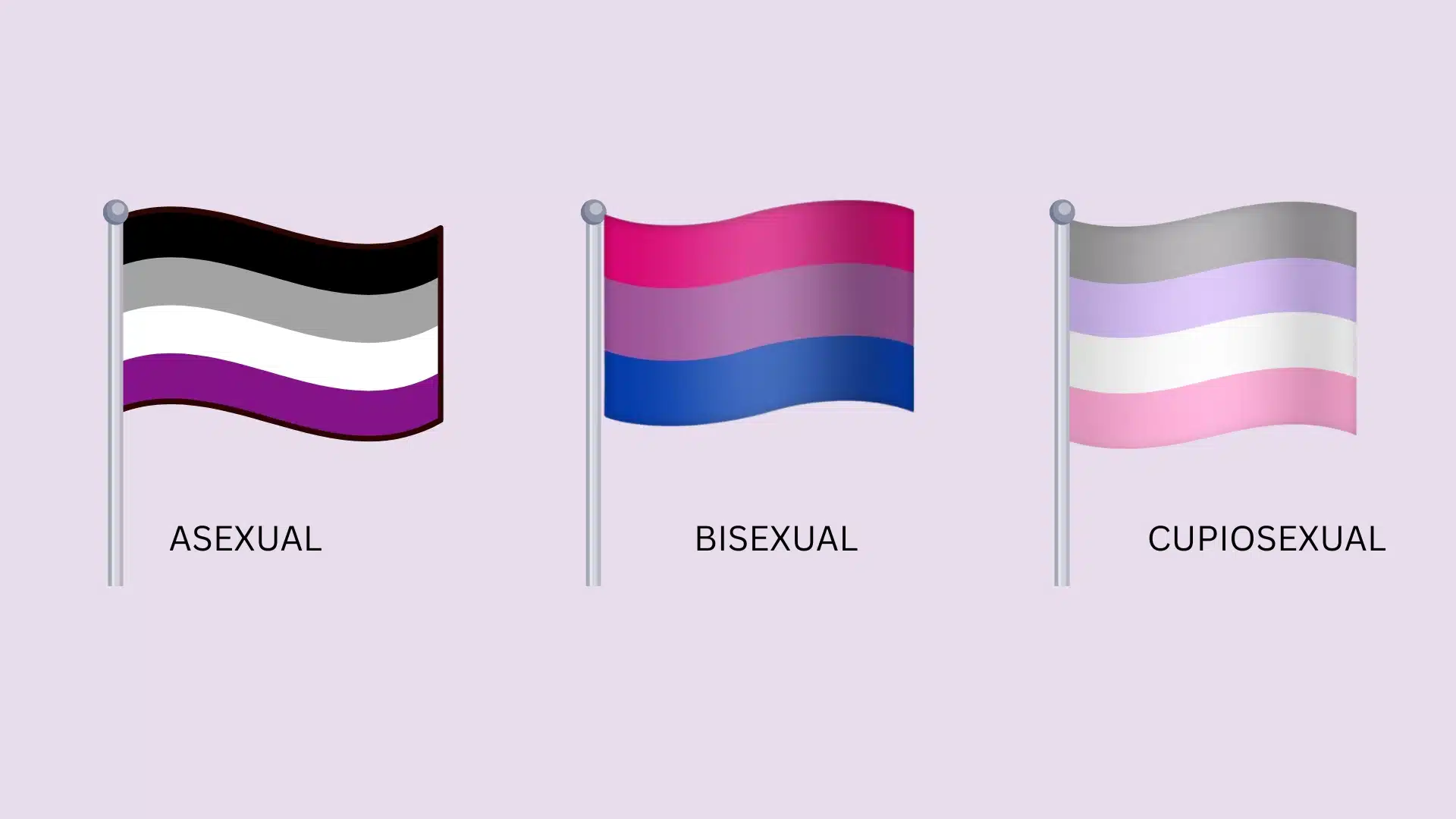
An allosexual person feels sexual attraction to others. It is the opposite of asexual.
An allosexual person can hold any orientation, just like “default”.
Straight, gay, and bisexual people all count as allosexual. The label comes up in talks about the ace community. On its own, it simply means regular sexual attraction is present.
2. Androsexual
An androsexual person feels attracted to men, males, or masculinity, and their own gender does not change that.
A woman, a man, or a non-binary person can all be androsexual.
Some people prefer it because it doesn’t assume their gender. It offers a clear way to name attraction to masculinity.
3. Asexual
An asexual person feels little or no sexual attraction to others. People call this “ace” for short.
Asexual people still fall in love and date, but they just may not feel the sexual pull that others describe or get. Romantic attraction and sexual attraction are not the same thing.
So an ace person can still want a close, loving bond.
Asexuality is not a medical problem or a choice. It is simply one more way to experience attraction.
4. Autosexual
An autosexual person feels sexual attraction toward themselves. That can show up as fantasies or intimacy centered on themselves.
It doesn’t say anything about wanting a partner or not!
Autosexual people also identify with another orientation like straight, bisexual, or gay and autosexual at the same time.
5. Bicurious
A bicurious person is attracted to one gender but feels curious about another with no restriction.
Often, it describes someone straight or gay who wonders about attraction outside their usual pattern.
The word points to curiosity, not a settled label. Someone might be exploring the idea, or simply noticing a pull they haven’t acted on.
Being bicurious does not mean a person owes anyone a definition. Some land on bisexual or pansexual later, some go back to where they started, and both are fine.
6. Bisexual
A bisexual person feels attracted to more than one gender; often, that means both men and women. People shorten it to “bi.”
The attraction does not have to be equal on both sides. Someone might lean more one way and still be bi.
Being bisexual does not mean someone is confused or going through a phase. It simply means the attraction reaches more than one gender.
7. Cupiosexual
A cupiosexual person feels little or no sexual attraction but still wants a sexual relationship.
It definitely comes under the asexual umbrella.
The attraction itself may be missing, yet the desire is still there. Someone can want the closeness, the intimacy, or the shared experience without feeling the pull.
This is different from asexual people who have no interest in sex at all.
Types of Sexualities from D to G
8. Demisexual
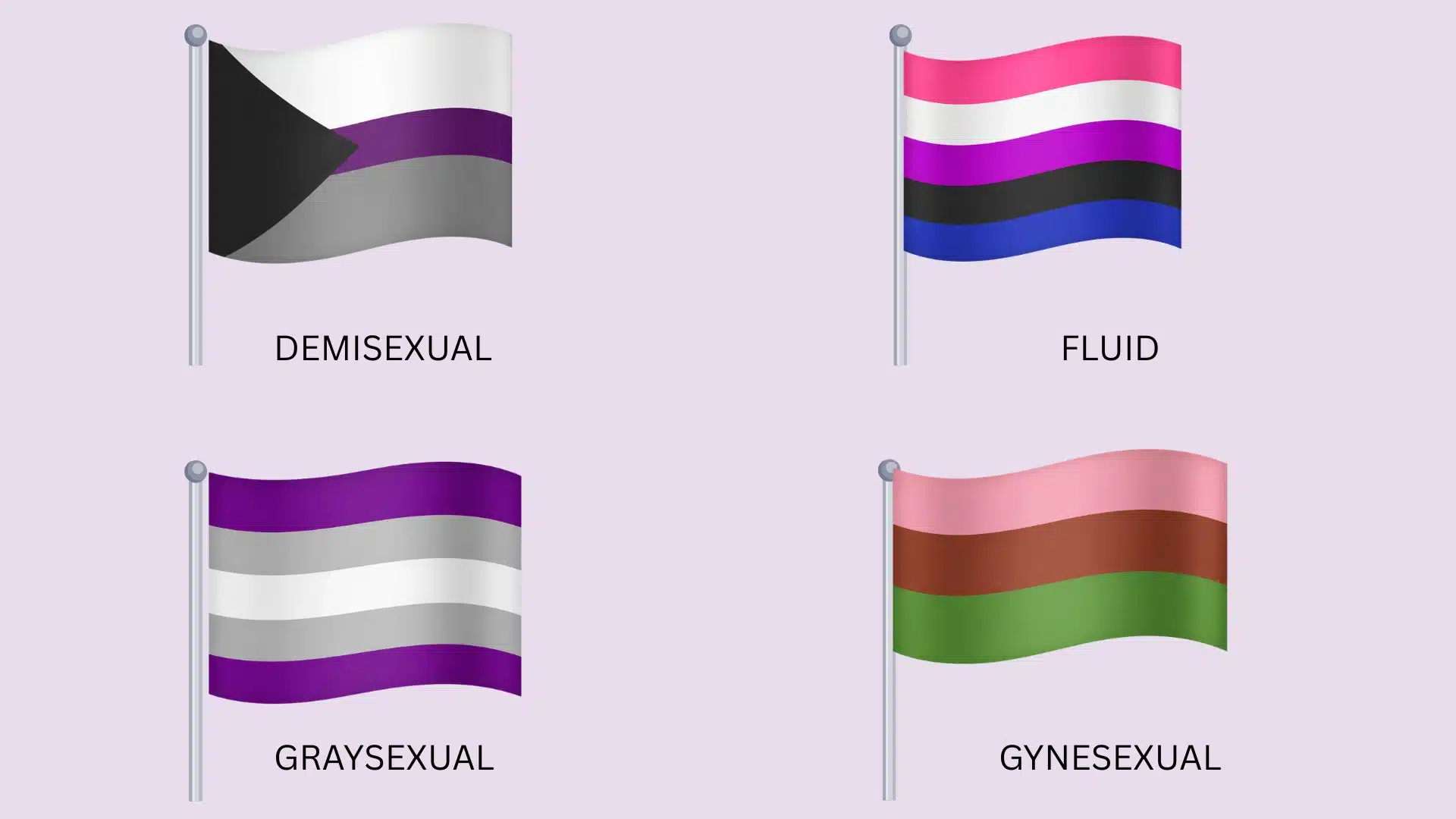
A demisexual person needs an emotional bond before feeling sexual attraction. Looks alone do not spark it for them.
This term comes under the asexual umbrella. The AVEN forum first coined it back in 2006.
Primary attraction comes from looks or first impressions for demisexual people, and secondary attraction grows through a real emotional tie.
Demisexual people feel mainly the second kind.
9. Fluid
A person with a fluid sexuality finds that their attraction changes over time and is not locked in one place. They might feel drawn to one gender for a while, then another later.
This change is normal, with no strict labels and no confusion whatsoever.
Others feel that “fluid” describes them best on its own.
10. Fraysexual
A fraysexual person feels sexual attraction to people they do not know well, and that attraction fades as they get closer.
It is sometimes called the opposite of demisexual.
The pull is strongest early on with someone new or unfamiliar, and as a bond deepens, the attraction fades.
11. Gay (Homosexual)
A homosexual person feels attracted to the same gender, and people use the word “gay” for them.
A gay man is attracted to other men.
The term can cover women too, though many women prefer lesbian and some people find homosexual clinical or old-fashioned. They lean toward gay in everyday talk.
The word also includes transgender men who are drawn to men.
12. Graysexual
A graysexual person feels sexual attraction only rarely. It may be weak, or it may come now and then.
They sit between asexual and people who feel regular attraction. Many use “gray ace” as a shorter name. Some feel attraction but have no wish to act on it.
Others feel it only under very specific conditions.
The label stays loose on purpose. It gives people room when “asexual” feels too strong but “regular attraction” feels wrong too.
13. Gynesexual
A gynesexual person feels attracted to women, females, or femininity.
Like androsexual, it focuses on the target of attraction. The person’s own gender doesn’t determine the label.
A man, a woman, or a non-binary person can all be gynesexual. Some people choose it to keep their own gender out of the picture.
It gives a plain way to name attraction to femininity.
Types of Sexualities from H to M
14. Heterosexual (Straight)
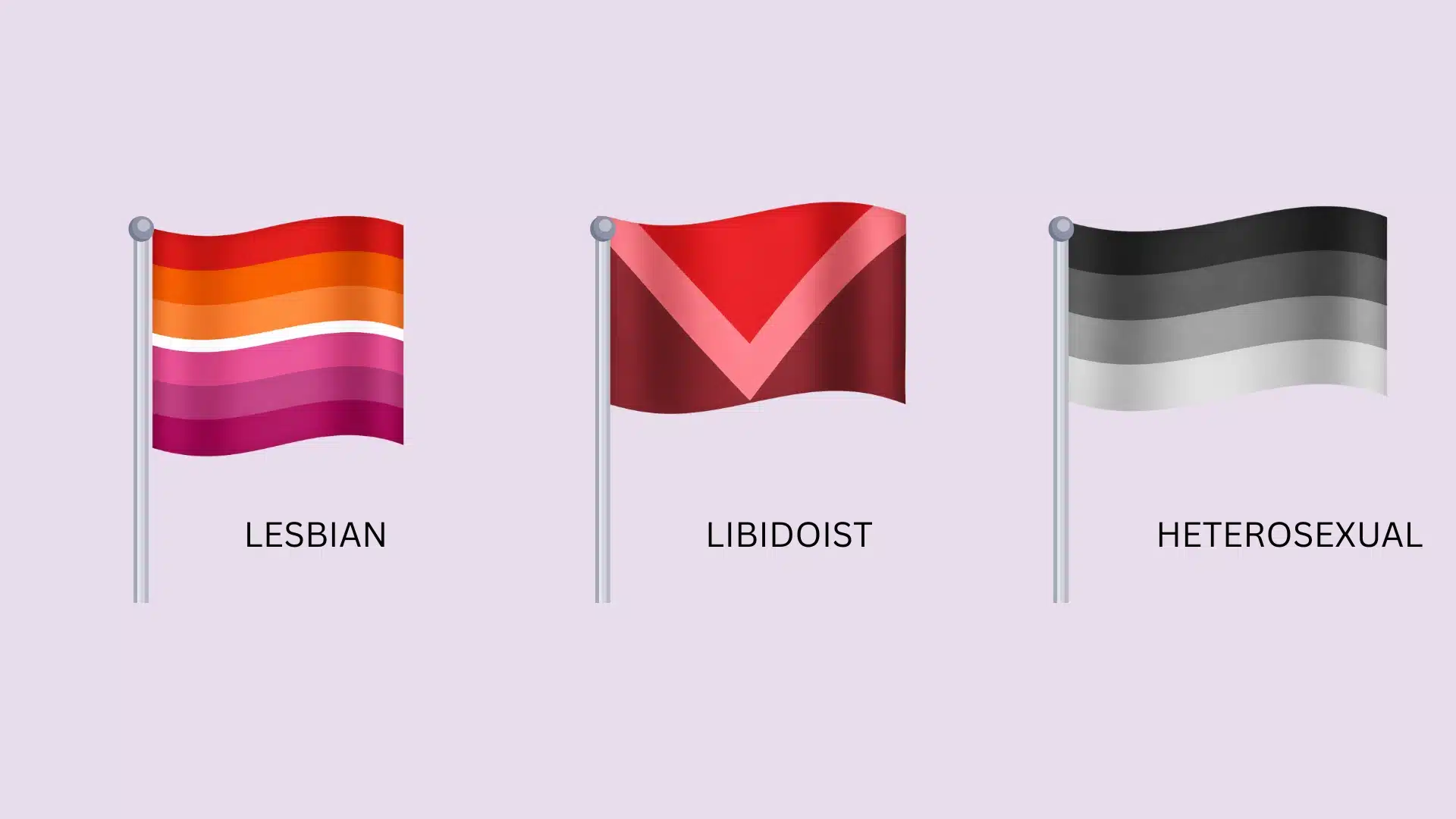
A heterosexual person feels attracted to the opposite gender.
People call this “straight.” A woman who likes men fits here. So does a man who likes women.
It remains the common orientation worldwide. Many cultures treat it as the default. But it is still one orientation among many, not the only “right” one.
Some straight people also question their feelings later in life, and that is normal.
15. Lesbian
A lesbian is a woman who feels attracted to other women. The word carries a strong sense of community and history.
Transgender women who are drawn to women can use it too.
Some non-binary people who feel a connection to womanhood also claim it. The term means more than attraction for many. It signals belonging and shared culture.
Know about the lesbian divorce rate and how it differs.
16. Libidoist Asexual
A libidoist asexual person feels little or no sexual attraction to others but still has a libido. In plain terms, they experience a sex drive, even though no person sparks it.
This drive is usually handled on their own rather than directed at their partner.
Self-pleasure can meet the physical need without any attraction being involved.
This helps explain a common misread about asexuality. Being ace does not automatically mean having no sex drive.
17. Monosexual
A monosexual person feels attracted to only one gender.
Straight people fit here, since they like one gender. Gay and lesbian people fit too, for the same reason. It stands as the opposite of terms like bisexual or pansexual.
The label mostly shows up when people compare attraction patterns.
Types of Sexualities from O to P
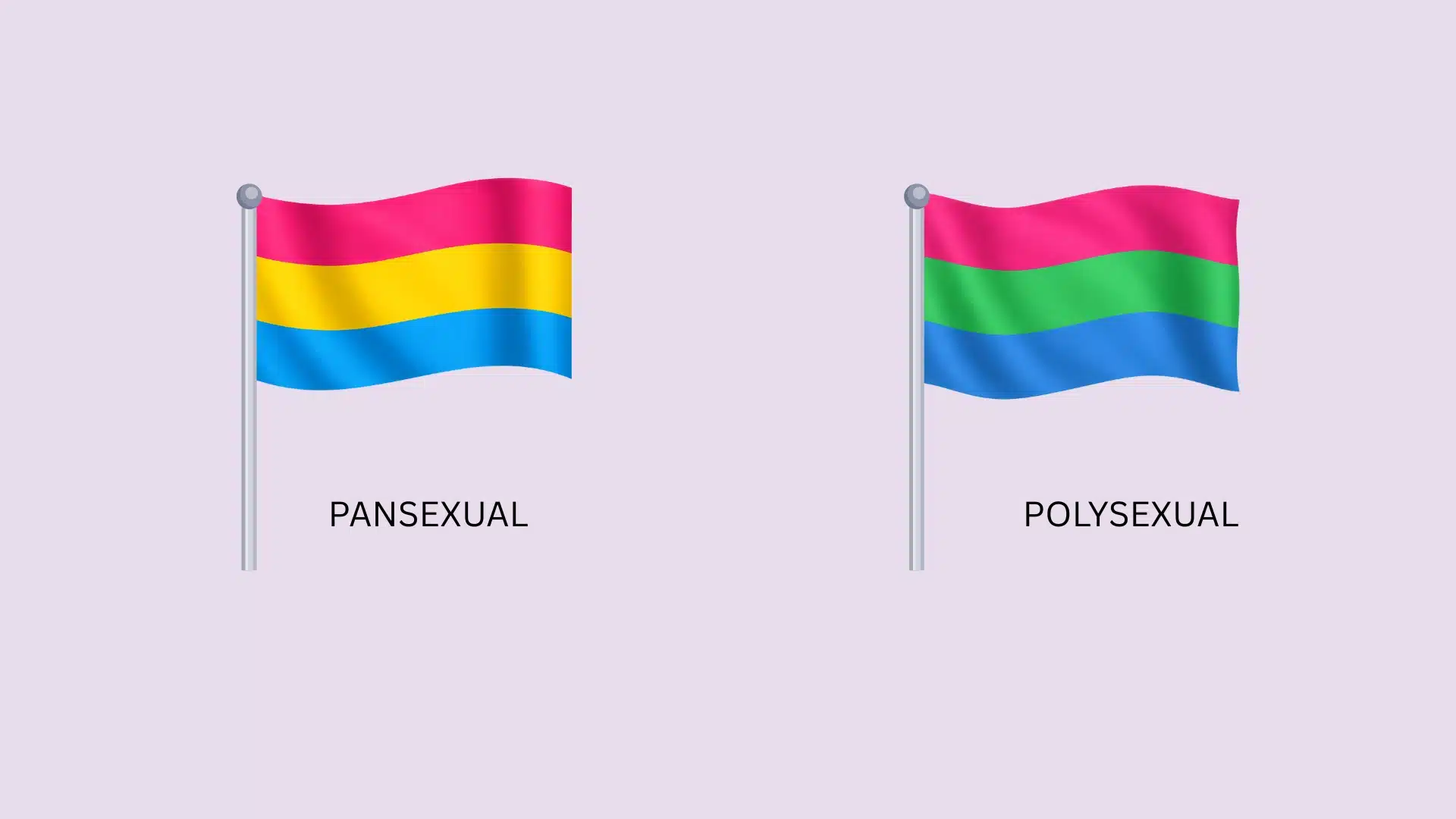
18. Omnisexual
An omnisexual person feels attracted to all genders.
It sounds a lot like pansexual, and people often swap the two. But for an omnisexual person, gender still gets noticed and can matter.
But for a pansexual person, gender tends not to factor in at all.
19. Orchidsexual
An orchidsexual person feels sexual attraction but does not desire a sexual relationship.
It is very close to the asexual spectrum, and it is the opposite of cupiosexual.
They may lack the desire to have sexual experiences, or dislike having them, and some are sex-averse or repulsed.
This is different from celibacy or abstinence.
Those come from a choice or an outside factor, while for an orchidsexual person the lack of desire is understood as part of their orientation rather than a decision.
20. Pansexual
A pansexual person can feel attracted to anyone, no matter their gender. For them, gender is not the deciding factor. Personality and connection matter more.
People sometimes shorten this to “pan,” and people often swap it with omnisexual.
The line between pansexual and bisexual can feel blurry.
In the end, each person picks the word that fits them best. Both are valid choices.
21. Polysexual
A polysexual person feels attracted to many genders, but not all of them.
For example, someone might like men and non-binary people, but not women. The word also works as an umbrella term.
Bisexual and pansexual can both sit under it.
The concept is attraction to several genders, not every single one. As with other labels, the person decides which word feels most true.
Types of Sexualities from Q to Z
22. Queer
Queer is a broad word, and anyone who is not straight can use it.
Once used as an insult, the community reclaimed it, and now it screams confidence. The word also carries a strong political history.
For many, it stands for freedom from strict labels, and that flexibility is why people choose it.
23. Questioning
A questioning person is still figuring out their sexual orientation, gender identity, or both.
Rather than a fixed label, it names the process.
Someone might be weighing who they are attracted to, or how they understand their own gender. There is no set timeline for this.
24. Reciprosexual
A reciprosexual person does not feel sexual attraction to someone until they know that person is attracted to them first.
The pull only shows up once interest is returned.
It is on the asexual spectrum.
This is different from just wanting your feelings reciprocated. For a reciprosexual person, the attraction itself does not form until the other person’s interest is clear.
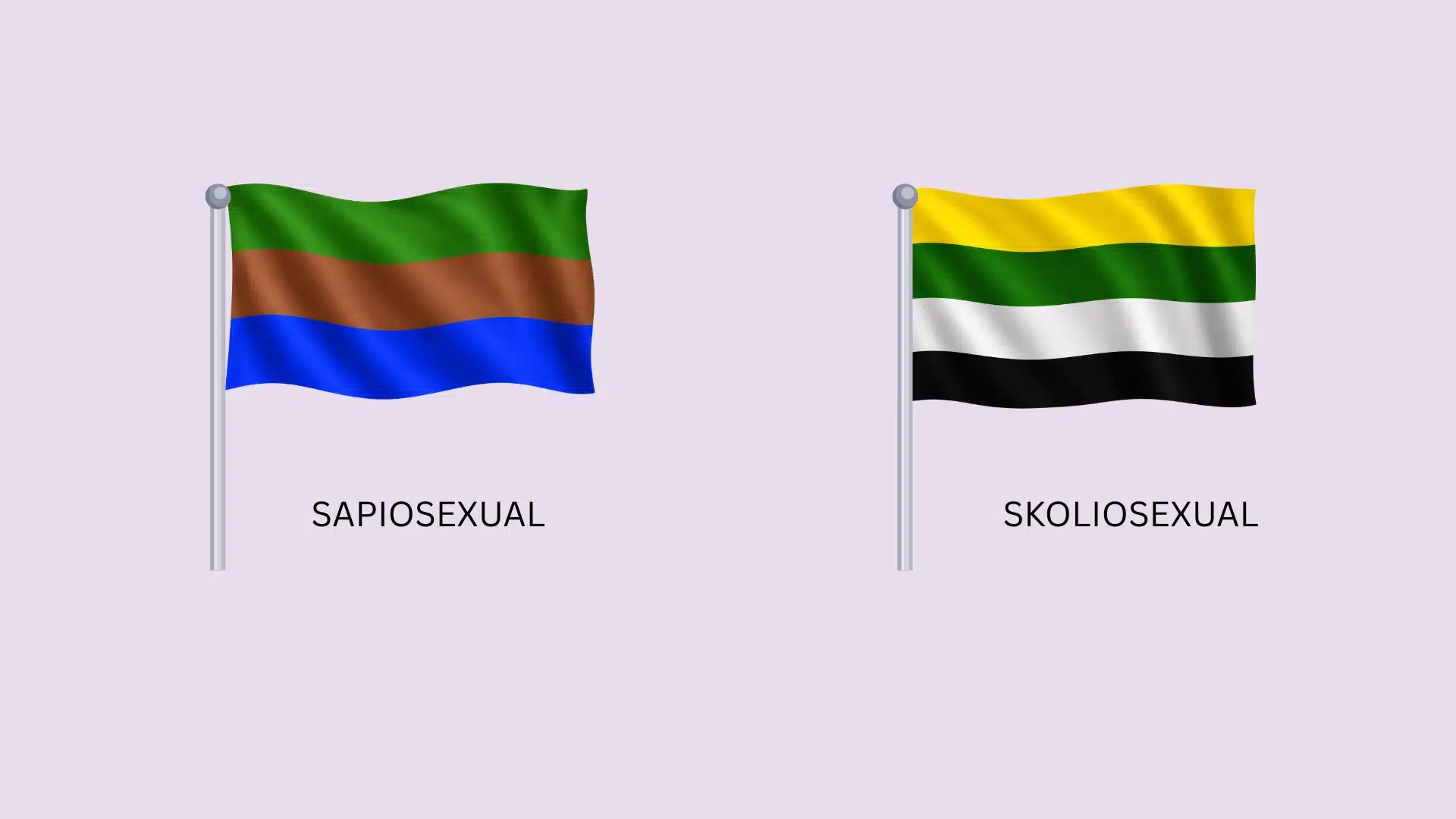
25. Sapiosexual
A sapiosexual person feels attracted mainly to intelligence.
A sharp mind draws them in more than looks do. A good conversation can matter more than appearance.
People can be sapiosexual alongside another label, like straight or bisexual. Some debate whether it counts as a full orientation.
Even so, plenty of people find it describes them well.
26. Skoliosexual
A skoliosexual person feels attracted to people who are non-binary, genderqueer, or trans. The focus is on attraction to gender outside the man-woman binary.
Their own gender does not change that.
A person of any gender can be skoliosexual, since the word points to who the attraction is aimed at.
27. Spectrasexual
A spectrasexual person is attracted to a range of genders or sexes, though not necessarily all of them.
The attraction spreads across multiple ones on the gender spectrum. A person may be drawn to several genders while still having ones that do not attract them.
Conclusion
When it comes to sexualities, there are innumerable!
So much comes under the umbrella: some are actually unidentified, some are recently found, and some have history!
And to put it out in the clear, rushing, blaming, and anything won’t actually help!
Don’t rush, take your time, and just know love is love!
Frequently Asked Questions
1. How Can a Person Tell What their Sexuality is?
Notice patterns in who feels attractive over time, both emotionally and physically.
2. Is Sexuality the Same as Gender Identity?
No. Sexuality is about who a person feels attracted to. Gender identity is about who they are. the two stay separate.
3. Can a Person’s Sexuality Shift as they Age?
Yes. Many people notice changes over their lives. Attraction can move to different genders, or grow stronger or weaker. That shift is normal.
4. Does Everyone Need to Choose a Label?
No. Labels help some people feel understood, but they stay optional. Anyone can go unlabeled.
