





Periods are already unpredictable. One month, they show up early; the next month, they ghost completely.
And when that happens, the mind starts racing through every possible reason why.
Did stress cause it? Is it a diet change? Or could it be something else, like sex?
It sounds like an odd thing to think about. But many people have asked this exact question, and the answer isn’t as simple as a yes or no.
There are a few things going on inside the body that are worth knowing about. Read on to find out what actually connects sex and a late period.
Does Sex Delay Your Period?
The short answer is: not directly. Sex itself does not delay a period. But that does not mean there is no connection at all.
The body is more complex than that.
Certain things that come with sexual activity, like hormonal shifts, emotional stress, or the possibility of pregnancy, can affect the cycle.
So while sex is not the direct cause, it can set off a chain of events that push the period back.
It helps to look at each factor on its own to get a clearer picture of what is really going on.
How Your Menstrual Cycle Actually Works
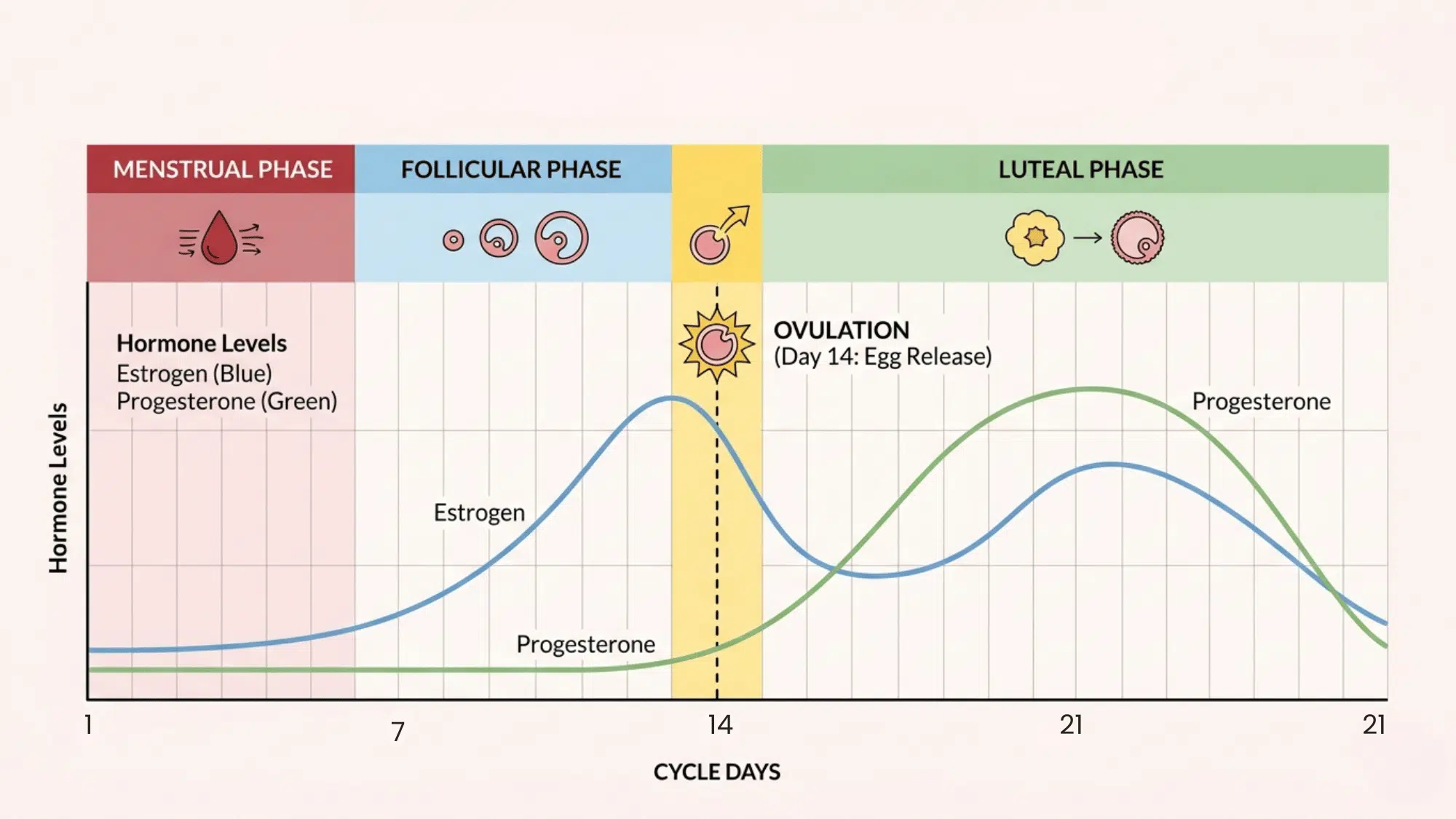
The menstrual cycle is the body’s monthly process of preparing for a possible pregnancy.
Hormones control everything from building the uterine lining to releasing an egg. A typical cycle runs anywhere between 21 and 38 days.
1. Menstrual Phase (Days 1–5)
This is when the period actually arrives. The uterine lining sheds, causing bleeding that lasts about 3–8 days.
Having sex during this phase does not directly affect the next cycle. But if ovulation happens earlier than expected, there is a small chance of conception.
2. Follicular Phase (Days 1–13)
The brain sends signals to the ovaries to mature an egg.
Estrogen rises, and the uterine lining starts to thicken. Sex during this phase carries a low but real chance of pregnancy, especially as ovulation gets closer.
3. Ovulation (Around Day 14)
The ovary releases a mature egg. This is the most fertile window in the entire cycle. Sex during this time has the highest chance of leading to pregnancy.
And if pregnancy occurs, the period will not come, making this the most direct way sex can affect the cycle timing.
4. Luteal Phase (Days 15–28)
Progesterone rises to keep the uterine lining ready. If no pregnancy occurs, hormone levels drop, and the period begins.
Sex during this phase is unlikely to delay the period. But stress or hormonal shifts connected to sexual activity can still play a small role.
Can Sex Change Your Hormones or Cycle Timing?
Sex does trigger some hormonal activity in the body. During and after sex, the body releases hormones like oxytocin and prolactin.
These are feel-good hormones that affect mood and relaxation, but they do not directly control the menstrual cycle.
That said, the body’s hormonal system is deeply connected. A shift in one hormone can sometimes nudge others.
For example, high levels of prolactin, which rise after sex, are known to interfere with ovulation in some cases.
And without ovulation happening on time, the period can shift too.
So while a single sexual encounter is unlikely to throw off the cycle, repeated hormonal changes over time could have a small effect on cycle timing.
Protected Sex and a Late Period: What Else Could it be?
Using protection does not mean the period will always show up on time.
Cycle timing depends on hormones, not intercourse. A late period after protected sex usually comes down to a handful of other reasons entirely.
1. Stress: High levels of stress raise cortisol levels in the body. This can interfere with the hormones that control ovulation, pushing the period back by a few days or even longer.
2. Sleep Disruption: Poor or irregular sleep affects the body’s internal clock. This can throw off hormone production and delay the cycle without any obvious reason.
3. Sudden Weight Changes: Gaining or losing weight quickly can affect estrogen levels. This directly affects whether and when ovulation occurs on time.
4. Intense Exercise: Heavy physical activity puts stress on the body. In some cases, it can suppress ovulation and delay the period.
5. Illness or Medication: Being sick or starting a new medication can interfere with hormone levels. Certain medicines, including steroids and antidepressants, are known to affect cycle timing.
6. Thyroid Issues: An underactive or overactive thyroid disrupts the hormones that regulate the cycle. Even mild thyroid changes can cause noticeable delays.
7. Polycystic Ovary Syndrome (PCOS): PCOS causes hormonal imbalances that make cycles irregular. Late or missed periods are one of the most common signs of this condition.
Can Emergency Contraceptive (Plan B) Cause a Delayed Period?
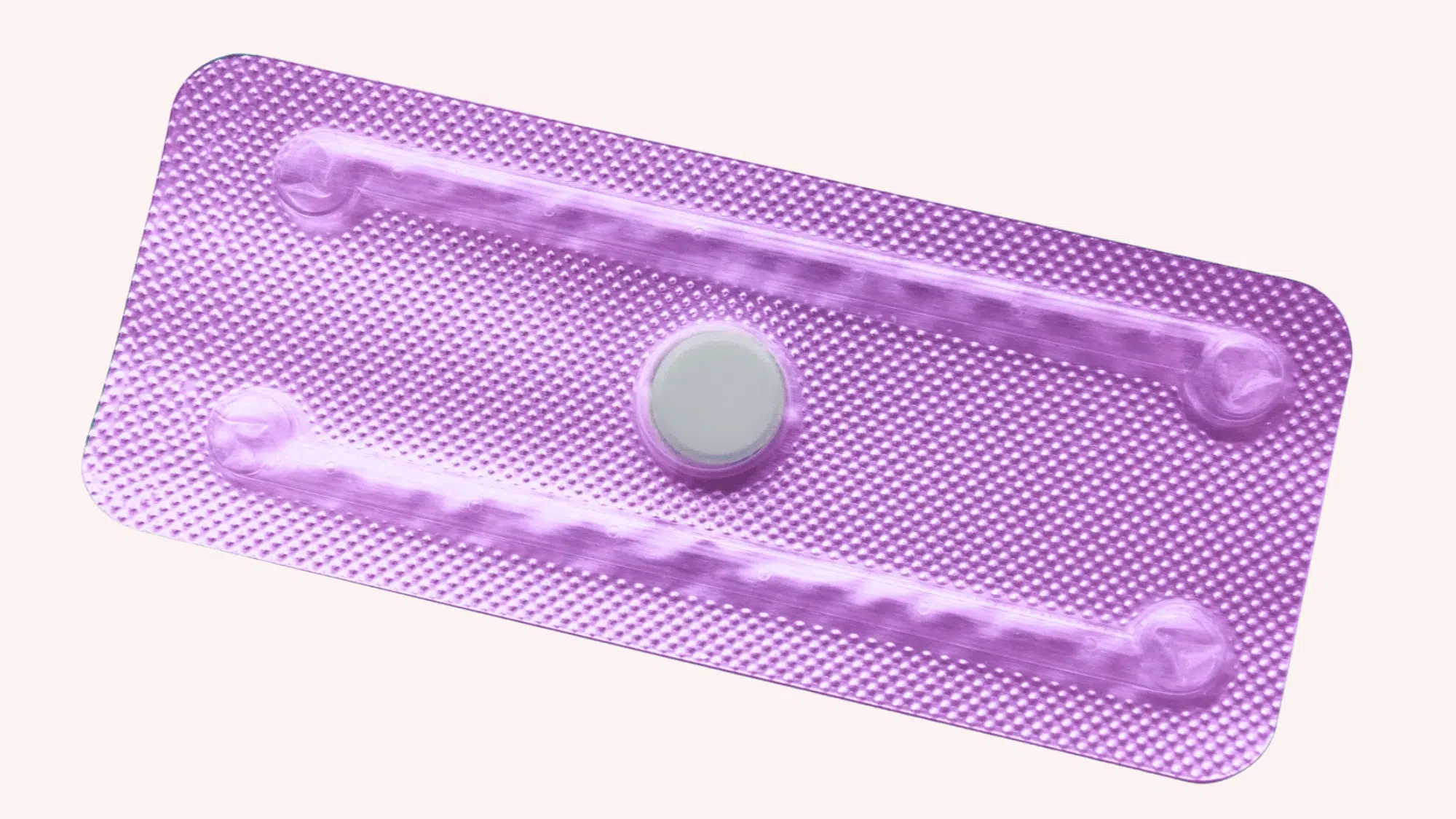
Yes, Plan B can delay a period, and this catches a lot of people off guard.
Plan B contains a high dose of levonorgestrel, a synthetic hormone that works mainly by delaying ovulation. When ovulation shifts, the entire cycle timing shifts with it.
After taking Plan B, the next period may arrive a few days early or a few days late.
Some people also notice lighter or heavier bleeding than usual, along with spotting or mild cramps.
These changes are temporary for most people, and the cycle usually returns to normal by the following month.
If the period is more than three weeks late after taking Plan B, taking a pregnancy test is the right next step. Plan B is not 100% effective.
When to See a Doctor About a Late Period
A late period is not always a cause for concern. But certain signs point to something that needs medical attention.
Knowing the difference can save a lot of unnecessary worry.
- The Period Is More Than 10 Days Late: A negative pregnancy test with a period that is still not showing up after 10 days is worth checking out with a doctor.
- Three or More Missed Periods in a Row: Missing three consecutive periods without being pregnant or on long-term hormonal treatment is a clear sign that something needs attention.
- Severe Pelvic Pain or Heavy Bleeding: Soaking through a pad or tampon every one to two hours, passing large clots, or dealing with intense cramps is not normal and needs prompt medical care.
- Bleeding After Sex or Between Periods: If this keeps happening repeatedly, it could point to an underlying condition that a doctor should assess.
- Unusual Discharge: Foul-smelling or abnormal discharge alongside a late period can signal an infection that needs treatment.
- Other Body Changes: Unexplained weight shifts, excessive hair growth, severe acne, or extreme fatigue paired with irregular periods may indicate conditions like PCOS or thyroid problems.
- Never Had a Period Before Age 16: This situation always warrants a conversation with a doctor to rule out any underlying hormonal or developmental concerns.
How to Track Your Cycle and Spot Real Changes
Tracking the cycle regularly makes it much easier to tell normal variation from something that actually needs attention.
1. Mark Day 1 of Every Period: Note the first day of each period on a calendar or app like Clue or Flo to build a clear monthly record.
2. Count the Cycle Length Each Month: Count from the first day of one period to the first day of the next. Most cycles fall between 24 and 38 days.
3. Log Flow and Symptoms Every Cycle: Write down the heaviest days, pain levels, mood shifts, bloating, and any spotting to spot patterns over time.
4. Watch for Cycles Under 21 or Over 35 Days: This range signals something worth paying attention to, especially if it keeps repeating over several months in a row.
5. Note Any Bleeding Between Periods: Spotting after sex or between cycles is not typical. Tracking when it happens gives a doctor useful information to work with.
6. Look for Changes in Pain or Flow: A sudden shift to much heavier or lighter bleeding than usual, or new severe cramps, is a real change worth recording.
7. Use the Data When Visiting a Doctor: Having several months of tracked data makes it far easier to explain what has changed and get answers faster.
Conclusion
Sex does not delay a period on its own.
But the body’s hormonal system is sensitive, and things like stress, emergency contraception, or the possibility of pregnancy can all shift cycle timing in real ways.
The best thing anyone can do is track their cycle regularly, stay aware of what is normal for their body, and act on any changes that seem off.
If the period is late and something feels wrong, seeing a doctor is always the right call. A little awareness goes a long way in understanding what the body is actually trying to say.
Frequently Asked Questions
1. Can Dehydration Delay Your Period?
Dehydration alone rarely delays periods, but severe fluid imbalance can stress the body and slightly disrupt normal hormonal function temporarily.
2. What Happens if I Finger During My Period?
Fingering during your period is generally safe, though hygiene matters to prevent infections and reduce discomfort or irritation.
3. What to Eat if Periods are Delayed?
Eat balanced meals with iron, healthy fats, and vitamins like B and C to support hormones and overall cycle regulation.
4. What Can Trigger Period?
Hormonal shifts, stopping birth control, reduced stress, or medical treatments can sometimes help trigger a delayed menstrual cycle naturally.
5. Can Having a UTI Delay Your Period?
A UTI does not directly delay periods, but discomfort, stress, or related inflammation may slightly affect cycle timing in some cases.
