




You’re about to book a solo trip, and suddenly your brain splits in two.
One side screams freedom. The other whispers, “What if I’m bored, unsafe, or eating dinner alone, looking awkward?”
Solo travel feels thrilling and terrifying at the same time. Smart planning fixes most of the scary parts.
This blog covers choosing places, building flexible plans, staying safe, beating loneliness, and protecting yourself on the road.
Let’s begin.
Solo Travel Tips for a Trip Without Stress
Good solo trips come from smart prep, not perfect plans.
Build a loose itinerary with one or two highlights per day, then leave gaps for rest or spontaneous finds.
Overplanning kills flexibility.
Book your first two nights of accommodation and airport transport before leaving. Save copies of your passport and important documents on your phone, then email them as backup.
Quick safety basics:
- Read reviews specifically mentioning solo traveler safety and staff responsiveness
- Leave immediately when something feels off, no explanation needed
- Avoid sharing hotel names, room numbers, or travel schedules with new acquaintances
- Add buffer time between activities so you’re never rushing through unfamiliar areas
According to Forbes, therapists say loneliness while traveling alone is completely normal, and staying connected means actively seeking out locals and fellow travelers rather than waiting for it to happen.
How to Travel Alone to Avoid Loneliness
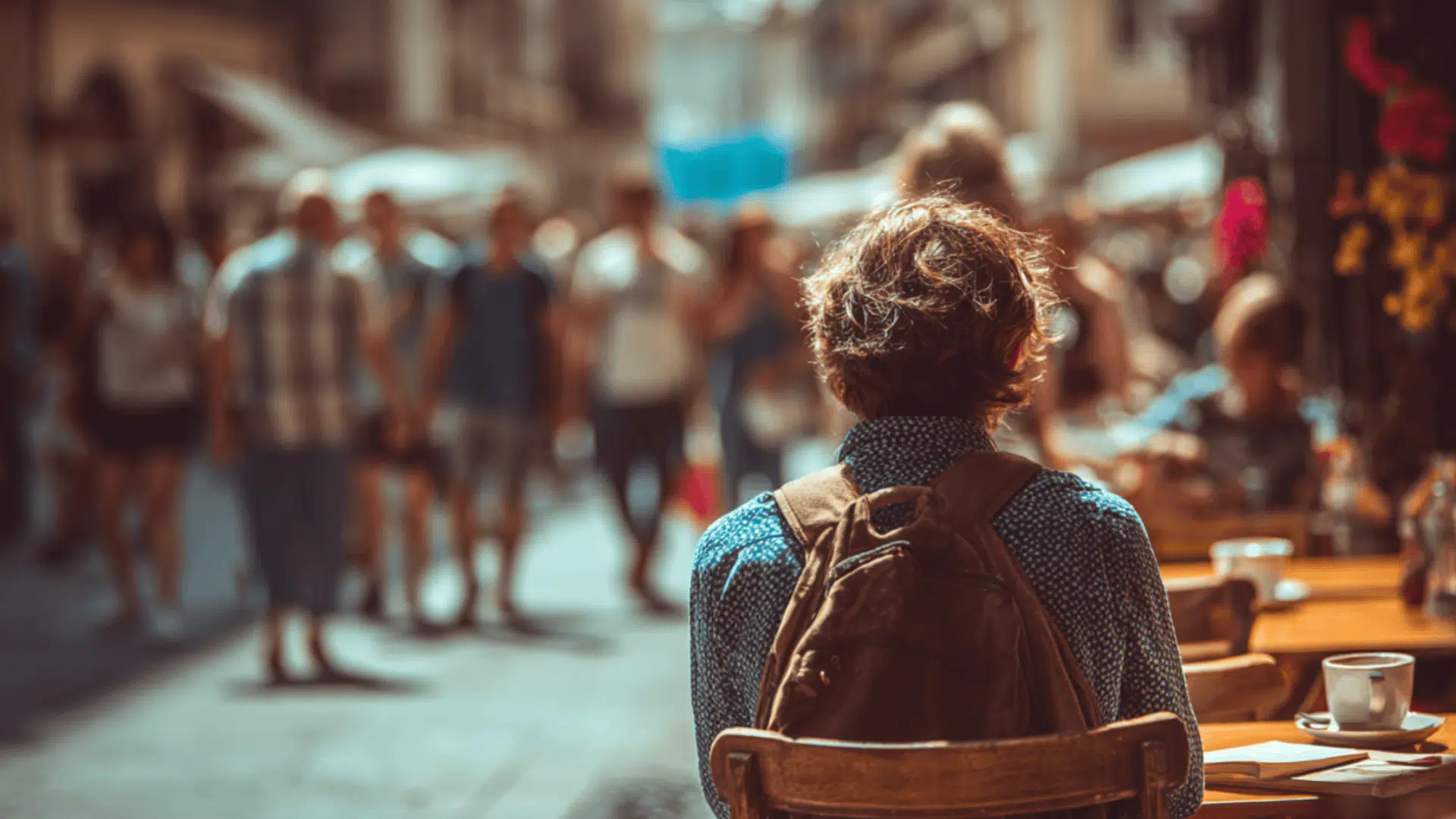
Solo travel doesn’t automatically mean lonely travel. You can stay connected without losing your independence.
1. Book One Social Activity Early
Schedule one group thing right away.
A walking tour, cooking class, or group day trip gives you a built-in connection without the pressure of making friends from scratch.
You show up, chat naturally, and leave when it’s done.
2. Pick One “friendly” Daily Spot
Find a cafe, park, or bakery you can visit every morning or afternoon. When the barista starts recognizing you or the vendor waves hello, it adds heat to your day.
Familiarity feels like a tiny anchor in a new place.
3. Use the 2-Hour Rule
When loneliness hits, give yourself two hours to change your setting.
Don’t sit in your hotel room spiraling.
Head to a busy market, a museum, or a waterfront walk. Movement and the people around you can shift the mood quickly.
4. Talk to Locals with A Tiny Question
Ask someone where to find the best pastry, the safest route, or their favorite viewpoint.
These brief chats don’t have to turn into friendships, but they add a human touch to your day. Plus, locals often give you the best tips.
5. Choose Meals that Feel Social
Skip the awkward solo restaurant table:
- Eat at food halls with communal vibes
- Grab bar seating where chatting feels natural
- Look for shared tables at casual spots
Meals become less lonely when other people are around, even if you’re not directly talking to them.
6. Bring a Connection Anchor
Pack a podcast, book, or playlist that feels like a friend.
Quiet moments don’t have to feel empty. Sometimes a familiar voice or story makes solo time feel cozy instead of isolating.
Pro tip: Download episodes of comedy podcasts before trips. Laughing alone in a cafe somehow makes you feel less alone.
How to Travel Alone for the First Time
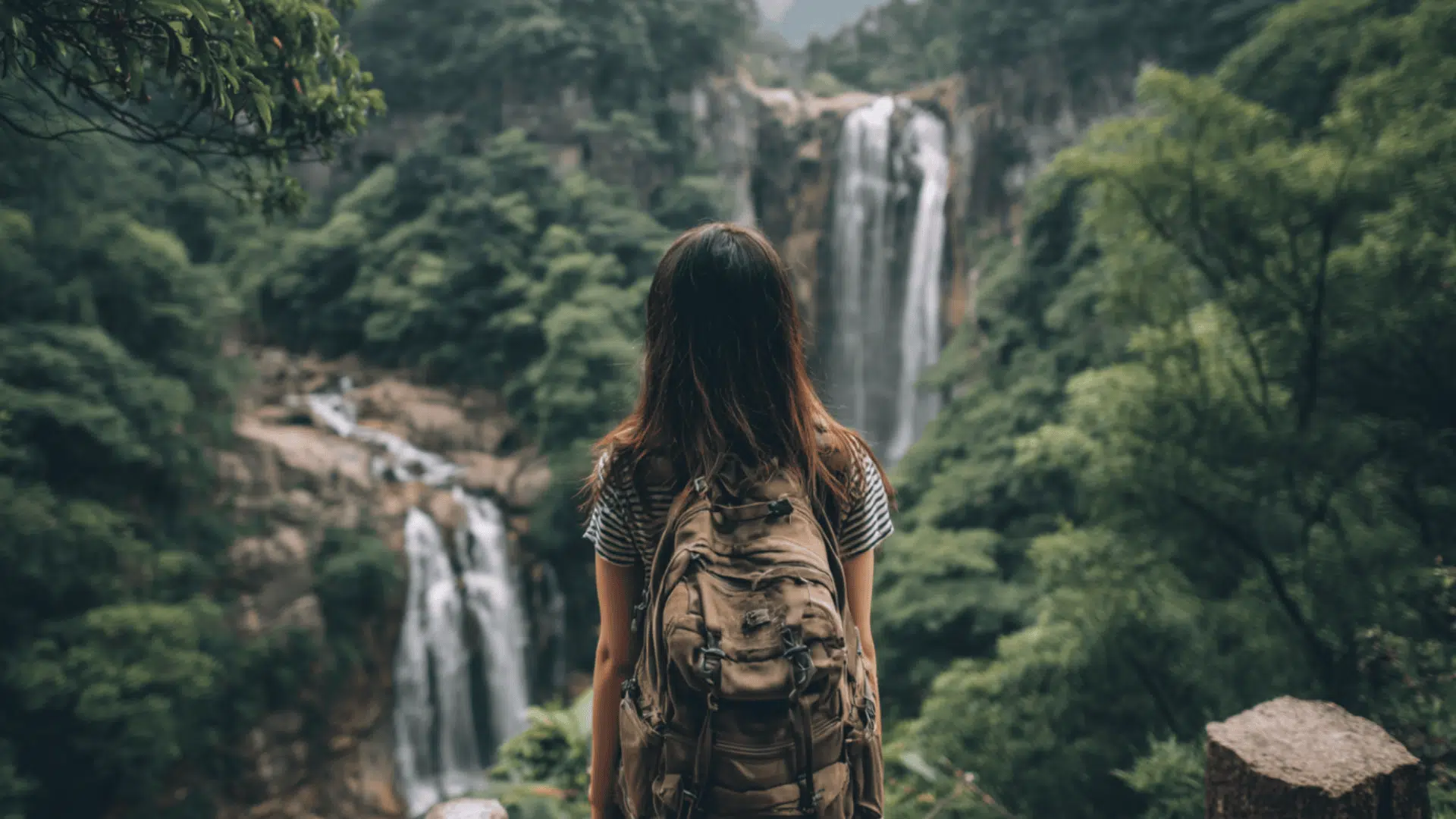
Your first solo trip will teach you more in three days than a book ever could.
7. Start with 2 to 4 Days
You’ll learn fast without committing to a whole week. If things feel hard, you know the end is close.
If things feel great, you’ll leave wanting more. Win either way.
8. Stay in One Easy Neighborhood
Pick a spot close to transit, food, and necessities.
You don’t want to spend your first solo trip figuring out complicated bus routes or walking 30 minutes for groceries.
Make life simple.
9. Plan One Highlight a Day and Leave the Rest Flexible
One museum, one market, one hike.
That’s it.
The rest of your day stays open for wandering, resting, or following random recommendations. Overplanning kills spontaneity, and spontaneity is where solo travel shines.
10. Arrive in Daylight if Possible
Why this matters:
- Your first impression feels calm and clear.
- Finding your accommodation is easier.
- The city feels less intimidating.
Landing at night when you’re tired and confused sets a stressful tone. Daylight arrivals give you space to settle in.
11. Save Key Info Offline
Download your hotel address, map pins, and emergency numbers before you lose signal. Wifi fails. Data runs out.
A few screenshots can save you from that panicky “Where am I?” moment.
12. Pack One Confidence Outfit
Bring one outfit that makes you feel put together and comfortable.
On days when nerves hit or you want to feel your best, that outfit becomes your armor. It’s a small thing that makes a big difference.
How to Travel Alone as a Woman

Solo female travel comes with extra questions about safety, and that’s fair.
According to Hostelworld’s State of Solo Travel report, 55% of women say safety is a concern, compared to only 18% of men. [Source: Hostelworld]
13. Share Your Plan with One Trusted Person
Tell someone your itinerary and set simple check-in times.
A quick text every day or two keeps someone in the loop without feeling like constant reporting. It’s a safety net that doesn’t weigh you down.
14. Choose Accommodation with Strong Safety Reviews
Don’t look at pretty photos. Read reviews specifically mentioning safety, how helpful the staff is, and whether solo female travelers felt comfortable.
Other women’s experiences tell you what you need to know.
15. Trust “Small No” Feelings Early
If something feels slightly off, leave before it becomes a big problem.
You don’t need proof or a reason. Uncomfortable conversation? Walk away. Weird vibe from someone?
Cut it short. Your gut is allowed to make decisions.
16. Use Confident Body Language Even if You’re Unsure
Quick body language tips:
- Head up, shoulders back
- Walk with purpose (even if you’re lost)
- Avoid looking at your phone constantly on the street
Confidence in how you move makes you less of a target. Fake it until it feels natural.
17. Have a Night Plan Before Nightfall
Know your route home, your transport option, and a backup plan before the sun sets.
Figuring out how to get back to your hotel at 11 p.m. in an unfamiliar area is stressful. Decide during daylight, then relax at night.
Over 50% of nights booked on Airbnb during one three-month period were for solo travelers
How to Travel Alone as a Man

Solo male travelers have their own set of things to think about.
You want to stay safe, be respectful, and actually grow from the experience instead of just checking off sights.
18. Practice Being Approachable, Not Intense
Smile. Keep a respectful distance. Use polite openers when you talk to people.
Solo male travelers can accidentally come off as intimidating, especially in smaller towns or quieter settings.
Softening your approach helps.
19. Build Your Day Around Experiences, Not Just Movement
Go to a cooking class. Take a hike.
Visit a museum.
Catch a local sports event. Experiences give you stories and teach you things. Just moving from place to place leaves you feeling empty at the end of the day.
20. Avoid Risky “prove It” Moments
Skip the overdrinking, reckless shortcuts, and late-night dares.
Solo travel isn’t the time to test your limits with alcohol, sketchy neighborhoods, or showing off.
One bad decision when you’re alone has bigger consequences.
21. Be Respectful in Social Settings
Simple rules:
- Read the room before jumping into conversations.
- Accept “no” quickly without pushing.
- Don’t force plans on people who seem hesitant.
Respect makes you someone people want to talk to, not someone they avoid.
22. Channel Solo Time Into Growth
Use quiet moments for a fitness walk, journaling, learning a new skill, or just reflecting on your day. Solo travel gives you space to think and grow.
Don’t waste it scrolling on your phone for hours.
Solo travelers who journal even briefly during their trip consistently report clearer thinking and a stronger sense of direction when they return home.
How to Protect Yourself When Travelling Alone?
Safety isn’t about being paranoid.
It’s about a few simple solo travel tips that keep you calm. Solo travelers who journal even briefly during their trip consistently report clearer thinking and a stronger sense of direction when they return home
23. Keep Your Essentials Secure and Straightforward
Carry one card and some cash. Store a backup card separately in your luggage or a different pocket.
If your wallet gets stolen, you’re not completely stuck. A simple system provides effective relief.
Pro tip: Take a photo of your important cards and passport. Email it to yourself. If everything gets stolen, you have the numbers to cancel and report.
24. Stay Powered and Connected
Bring a power bank so your phone doesn’t die at the worst moment.
Download offline maps before you leave wifi. Get local data or an eSIM so you’re not constantly hunting for internet.
Staying connected keeps you safe.
25. Use the First-Night Rule
On your first evening, stay close to your accommodation while you get to know the area.
Walk around the block.
Find the nearest convenience store. Notice which streets feel busy and which feel quiet. Familiarity makes everything easier.
26. Know Your Exit Options Wherever You Are
Always know how you’ll leave and where you’ll go next.
What’s the quickest way back to your hotel? Where’s the nearest busy street? If things go sideways, having a plan keeps you calm.
27. Listen to Your Gut, Always
If it feels off, you don’t need proof to leave. Your instincts exist for a reason. Trust them even when you can’t explain why.
Better to feel silly later than unsafe now.
With safety covered, let’s look at some of the best places to take your solo skills for a spin.
Best Places for Your Next Solo Trip
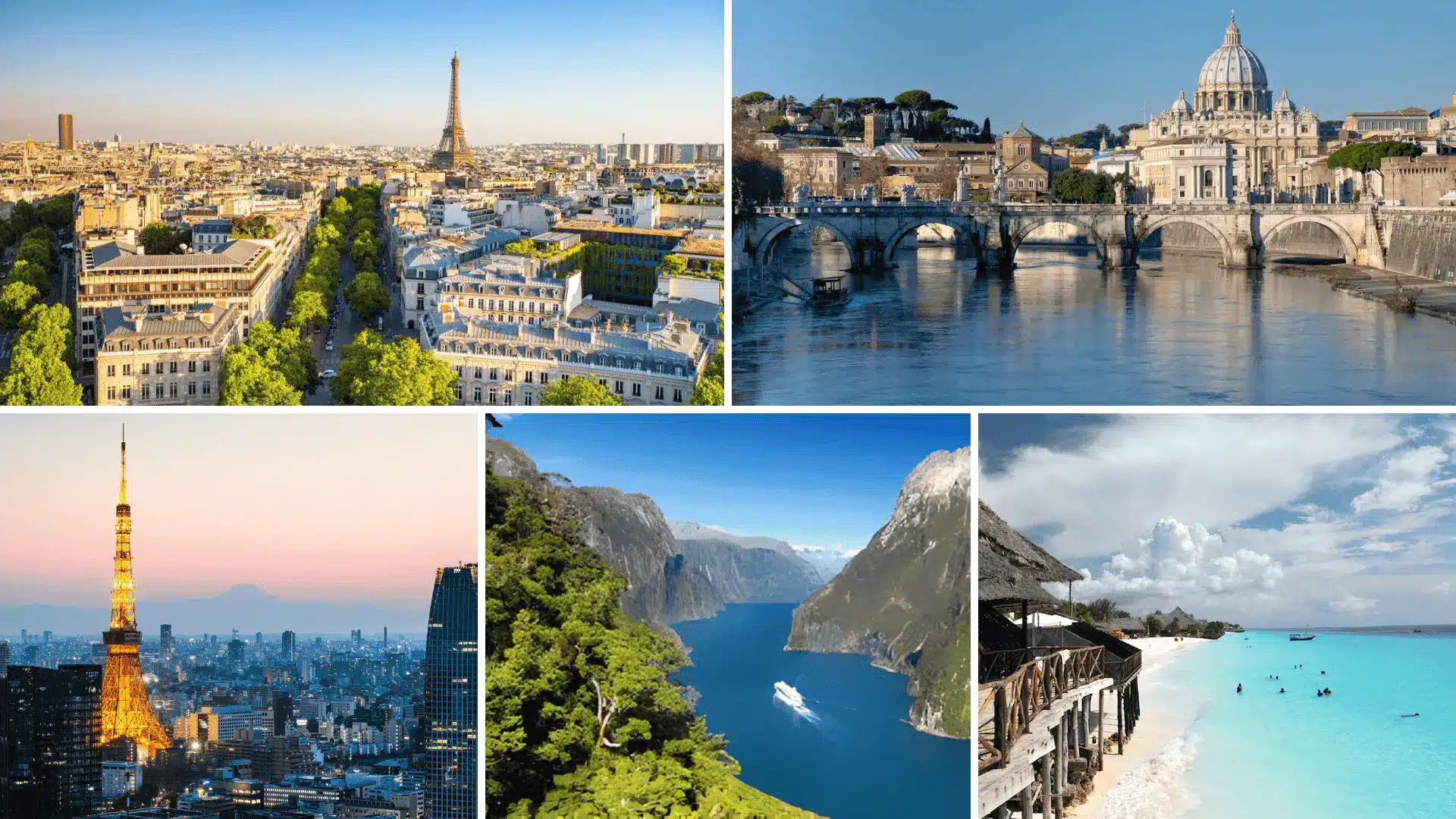
These five spots offer different vibes and are beginner friendly, safe, and full of things to do alone without feeling awkward.
1. Paris, France
Paris works for solo travelers because the city rewards wandering.
You can spend hours in cafes people-watching, visit world-class museums at your own pace, and eat well even at solo-friendly bistros.
The metro is easy to figure out, and English is enough in tourist areas.
2. Rome, Italy
Rome gives you history on every corner and food that tastes better when you’re not rushing.
Solo travelers don’t feel out of place because of “streets, food, and markets.” Walking tours are everywhere if you want company, and gelato tastes just as good on its own.
3. South Island, New Zealand
New Zealand’s South Island works perfectly for solo travelers who crave nature over city noise.
- Hiking trails are well-marked and safe for solo explorers
- Hostels offer social vibes when you want company
- Locals are genuinely friendly and helpful
4. Tokyo, Japan
Tokyo is frequently cited by solo travel communities as the most beginner friendly major city in the world, and its consistently low tourist crime rate backs that up
The city runs like clockwork, so getting around is stress-free even with the language barrier.
You can eat ramen at a counter alone, and it feels normal, not awkward.
5. Tanzania
Tanzania is best if you want solo travel with a built-in structure.
You’ll share game drives with other travelers, see incredible wildlife, and have built-in dinner companions.
It’s solo travel with a social safety net already in place.
Wrap Up
Solo travel isn’t about being fearless. It’s about learning you can handle more than you think.
It’s about planning smart, trusting yourself, and knowing when to ask for help. Growth happens in the mistakes, not the perfect Instagram moments.
Got questions or your own solo travel tips? Drop them in the comments below.
Frequently Asked Questions
1. How Long Should my First Solo Trip Be?
Start with just 2 to 4 days, long enough to learn, short enough to manage.
2. What Should I do the First Evening I Arrive?
Stay close to your accommodation and simply get familiar with the surrounding streets.
3. What do I do when Loneliness Suddenly Hits?
Change your setting within 2 hours, head to a market, museum, or busy street.
4. How do I Protect my Money While Traveling Solo?
Carry one card, keep a backup separately, and email yourself photos of important documents.
5. How do I Avoid Feeling Awkward Eating Alone?
Choose food halls, bar seating, or shared tables where a social vibe already exists.
