






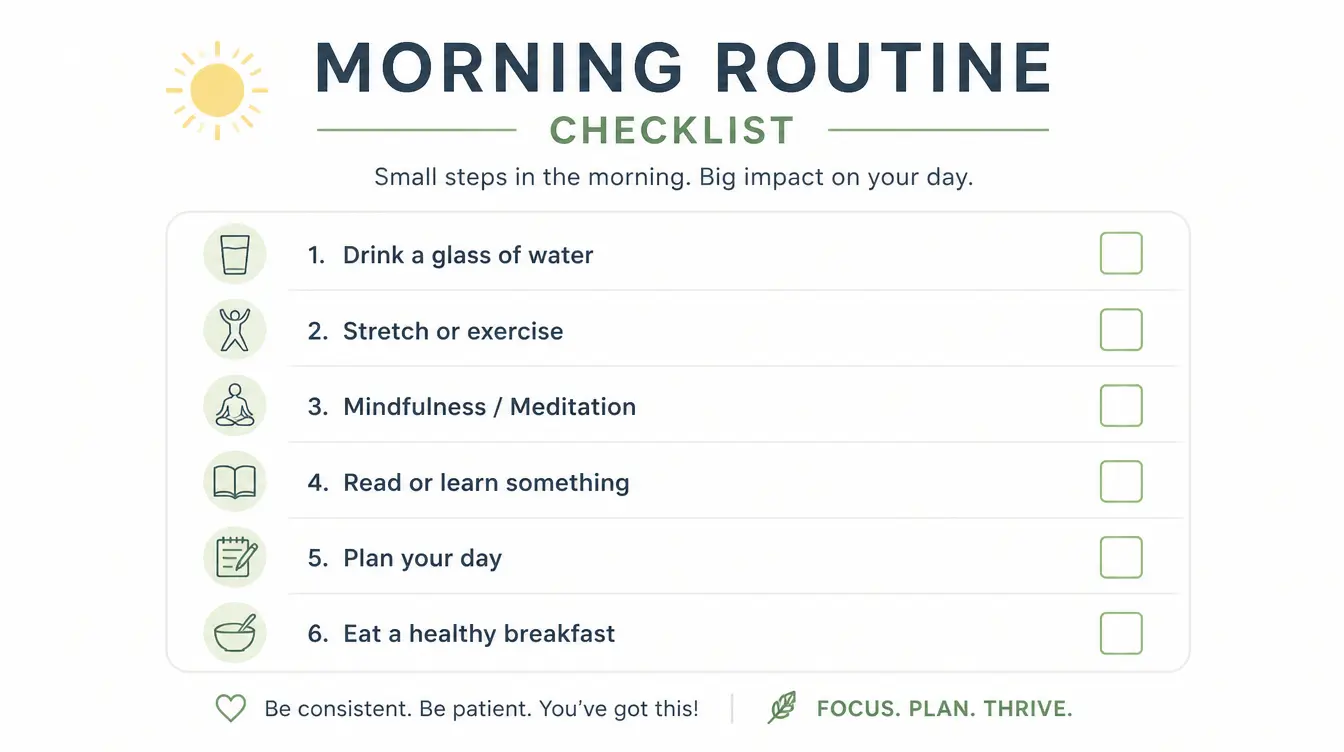
Some people seem to handle setbacks with ease, while others stay stuck for years. The difference is rarely talent or luck. It usually comes down to how a person thinks.
A mindset shift can change how someone faces stress, chases goals, and bounces back from hard times.
This kind of change does not need years of work. It happens through a routine that anyone can start using right away.
Those steps can build real confidence and open the door to lasting success.
This manual lays out five simple steps for steady growth. Each is practical and easy to begin with, so start the changes today.
The Psychology Behind a Lasting Mindset Shift
A lasting mindset is not just positive thinking. It has more to do with how the brain actually works.
Thought patterns built over years grow strong through repetition. They need steady new input before they start to change.
Instead of trying to act confident, a person starts to see themselves as confident. The very same inner shift sits behind becoming genuinely emotionally available in a relationship, where the change begins with self-perception rather than performance.
Once that belief takes hold, the right actions tend to follow.
When people skip this step, they end up fighting their own brains. And that makes real change far harder and slower than it ever needs to be.
Change how you see yourself first, and new habits will follow much faster.
What are the Pillars of Mindset?
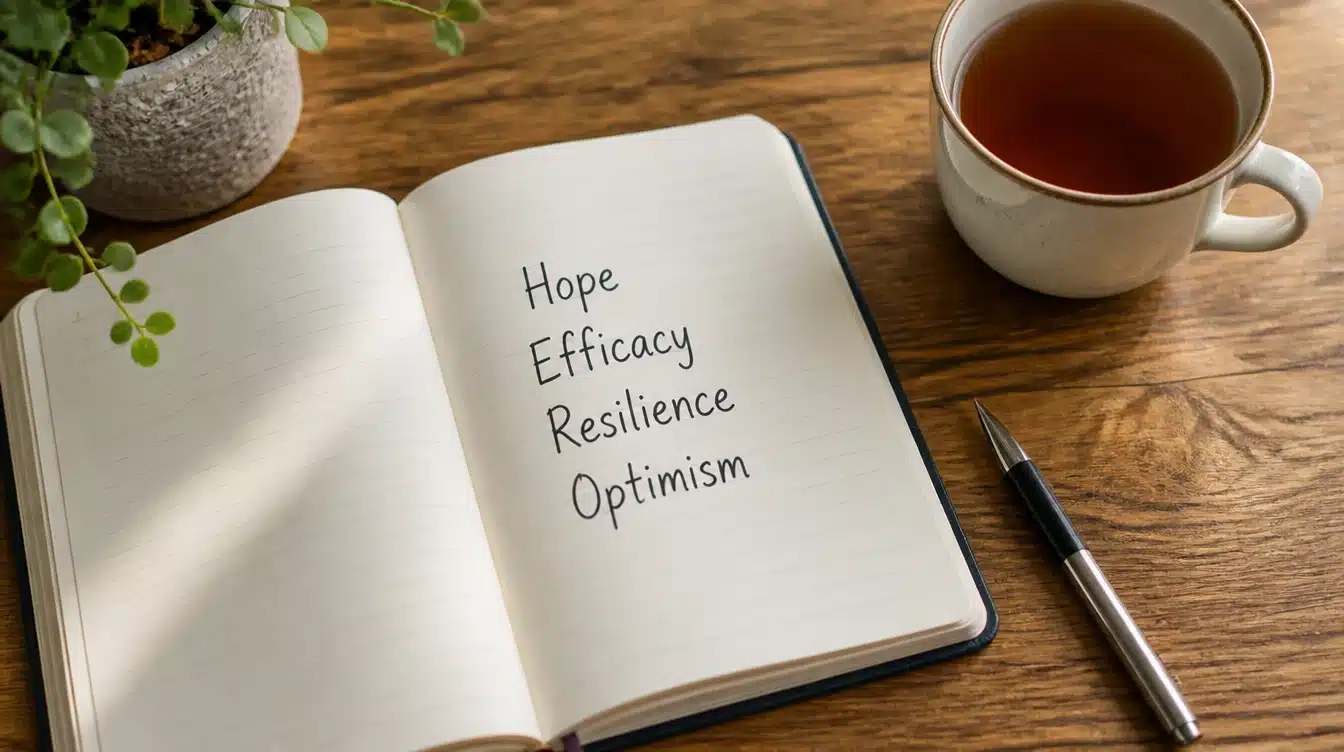
A strong mindset rests on four parts, often called HERO. Each one supports the others, and together they build mental strength.
Hope
Hope is the belief that things can get better.
It gives a person the drive to set goals and chase them. Hopeful people also find new paths when the first one fails. This keeps them moving even when the road gets tough.
Efficacy
Efficacy is the confidence to take on hard tasks. It comes from past wins and steady practice. A person with high efficacy trusts they can handle what comes next.
Resilience
Resilience is the ability to bounce back after a setback. Everyone gets knocked down sometimes. What matters is how fast a person recovers. Resilient people treat failure as a step, not an ending.
Optimism
Optimism is the expectation that good things will happen. It means facing problems while trusting that the effort will pay off. This outlook keeps stress lower and motivation higher.
What are the Types of Mindset?
Understanding the different types of mindset is key to any real mindset shift, since it helps someone spot which ones might be holding them back.
1. Growth Mindset
A growth mindset means someone believes their abilities can be developed through effort and practice.
When they face challenges, they see opportunities to learn rather than proof of their limitations.
This approach fuels resilience and encourages continuous improvement.
2. Fixed Mindset
A fixed mindset tells someone their abilities are set in stone.
Either they’re good at something, or they’re not, and there’s nothing they can do to change it.
This belief limits potential and discourages people from trying new things or pushing through difficulties.
3. Abundance Mindset
An abundance mindset operates from the belief that there’s enough for everyone, enough opportunities, resources, success, and recognition.
People with this mindset celebrate others’ wins, share knowledge freely, and see possibilities everywhere.
They believe success isn’t limited and that growth is available to all.
4. Scarcity Mindset
A scarcity mindset tells someone there’s only so much to go around. If someone else wins, they lose.
This creates competition, jealousy, and hoarding behavior.
People operate from fear and limitation, believing resources are finite and they must protect what’s theirs.
5. Positive Mindset
A positive mindset expects good outcomes and believes in someone’s ability to handle challenges.
It’s not about ignoring reality or pretending bad things won’t happen.
Instead, it focuses on possibilities and maintains hope even during difficult times, driving motivation forward
6. Negative Mindset
A negative mindset anticipates failure and disaster.
People assume the worst, catastrophize situations, and focus on obstacles instead of solutions.
This outlook drains energy, closes off possibilities, and often becomes a self-fulfilling prophecy where expected failure leads to actual failure
7. Success Mindset
A success mindset combines elements of growth, abundance, and positive thinking. People with this mindset believe they can achieve their goals and take responsibility for their results.
They stay focused on their vision, persist through setbacks, and maintain realistic confidence paired with consistent effort
8. Victim Mindset
A victim mindset tells someone that external circumstances control their life.
Bad things happen to them, and they have little say in the outcome.
This removes personal agency and power, making people feel helpless and stuck instead of capable of creating change
How to Change Your Mindset in 5 Simple Steps?

Your mindset is either your greatest asset or your biggest obstacle, and you get to choose which one it is.
Step 1: Identify Your Limiting Beliefs
The first step is spotting the thoughts that hold a person back. These beliefs often sound like “I’m not good enough” or “I always fail.”
People repeat them without noticing. Writing them down helps bring them into the open.
Once they are visible, they lose some of their grip.
Step 2: Challenge and Replace Your Thoughts
After naming a limiting belief, the next move is to question it. Is it actually true, or just a story told for years? Ask for real proof, and the belief often falls apart.
Then swap it for a thought that feels fair and useful.
Small wording changes can shift how someone sees a whole situation.
Step 3: Take Consistent Action
New thoughts need action to make them real.
Change takes hold when a person faces the thing they kept avoiding. Start small, and keep showing up even on hard days.
Each action proves the old fear wrong. Over time, these small steps rebuild confidence from the ground up.
Step 4: Rewire Your Environment
Surroundings shape thinking more than most people admit. The people, apps, and spaces around someone all send quiet signals.
Cutting out negative inputs makes room for better ones.
Spending time with supportive people helps a new mindset take hold. A better environment does half the work on its own.
Step 5: Practice Self-Compassion and Track Progress
Change comes with slip-ups, and that is completely normal. Being kind during those moments keeps a person moving forward.
Harsh self-talk only slows things down.
Tracking small wins in a notebook or app builds real momentum. Looking back at that progress makes the whole effort feel worth it.
Why Do Most People Struggle to Change Their Mindset?
Most people struggle because old thinking patterns feel safe.
The brain likes what it knows, even when those patterns cause harm. Change means stepping into the unknown, and that feels risky.
Many also expect fast results and give up when progress is slow. Others try to change everything at once and burn out quickly.
Whereas some are held back by the people around them who prefer the old version.
And many people simply do not know where to start.
People avoid change because they fear mistakes. A growth mindset views mistakes as feedback not proof that they aren’t capable.
Mindset Shift Strategies
Real change happens in small moments throughout your day. So these are the simple strategic actions you can take.
Morning: Set Your Intention
The first hour of the day sets the tone for everything after.
A quick intention gives your mind something to aim for, and it can be as simple as one line written down.
For example, “Today I focus on effort, not results.” This small habit builds a routine and points thoughts in the right direction before the day gets busy.
Afternoon: Interrupt Old Patterns
By midday, old habits tend to creep back in. This is the time to catch them in the act.
When a negative thought shows up, a person can pause and name it. That short break stops the pattern from taking over.
Swapping the thought for a fairer one keeps the shift going strong.
Evening: Anchor Your Progress
The end of the day is when lessons settle in. A few quiet minutes of reflection help lock in what went well.
Writing down one win makes the progress feel real. It also trains the brain to notice growth over time.
And those small notes, night after night, slowly build change that lasts far beyond a single day.
Wrap it Up
Learning how to change your mindset is not about becoming a different person overnight. It is about small, steady choices that add up to something real.
The five steps above give a clear path to follow, one day at a time. And the payoff reaches far beyond goals or work.
A stronger mindset changes how a person approaches fear, stress, and change.
So pick one step and start today.
Try the morning intention, or write down a single win tonight. The first small shift matters most, and the right one is simply the one that starts now.
Frequently Asked Questions (FAQs)
1. How Long Does it Take to Change Your Mindset?
It varies from person to person, but small shifts can start within a few weeks of steady effort.
2. Do Affirmations Really Help Change Your Mindset?
They can help, but only when paired with concrete action that supports the new belief.
3. How to Fix an Unhealthy Mindset?
Start by naming the negative thoughts, question if they are true, then replace them with fairer ones.
4. What Should Someone Do After a Setback?
Treat it as feedback, ask what can change next time, and keep moving forward.
