







Vaginal yeast infections are incredibly common, affecting millions of women every year. The classic symptoms include intense itching, burning, and thick white discharge.
But can a yeast infection cause bleeding?
Light spotting or bleeding can occur if the infection causes irritation, inflammation, or tiny tears in the sensitive vaginal tissue.
If you’re experiencing unusual symptoms, consult your healthcare provider for proper diagnosis and care.
What is a Vaginal Yeast Infection?
A vaginal yeast infection, also known as vaginal candidiasis, is a common fungal infection caused by an overgrowth of Candida, which is a yeast that naturally lives in the vagina.
When the balance of bacteria and yeast is disrupted, it can multiply rapidly, leading to uncomfortable symptoms.
It affects up to 75% of women at least once in their lifetime.
Unlike sexually transmitted infections, yeast infections are not contagious, though sexual activity can sometimes trigger or worsen them.
Common triggers include antibiotics, pregnancy, uncontrolled diabetes, hormonal changes, a weakened immune system, and tight or non-breathable clothing.
Can a Yeast Infection Cause Bleeding?
No, usually not directly, but it may cause minor spotting. Your vaginal tissue swells and becomes irritated.
That tissue becomes brittle as it becomes inflamed.
Tiny tears can result from having intercourse or scratching the itch. Since such little tears could bleed a little, the irritation is the cause of the bleeding.
Any bleeding indicates the presence of another issue.
Other Conditions that Can Cause Bleeding
Bleeding does not always indicate a yeast infection. Sometimes another issue is the cause.
These are a few conditions worth keeping in mind.
Bacterial Vaginosis: Causes irritation, a fishy odor, and occasional light bleeding.
Sexually Transmitted Infections: Chlamydia and gonorrhea lead to spotting, especially after sex.
Hormonal Changes: Birth control, periods, or pregnancy can shift your hormones, causing bleeding.
Cervical Issues: Polyps or irritation on the cervix can bleed easily.
Fibroids or Cysts: These growths are harmless but can cause heavier or odd bleeding.
What Causes a Yeast Infection?
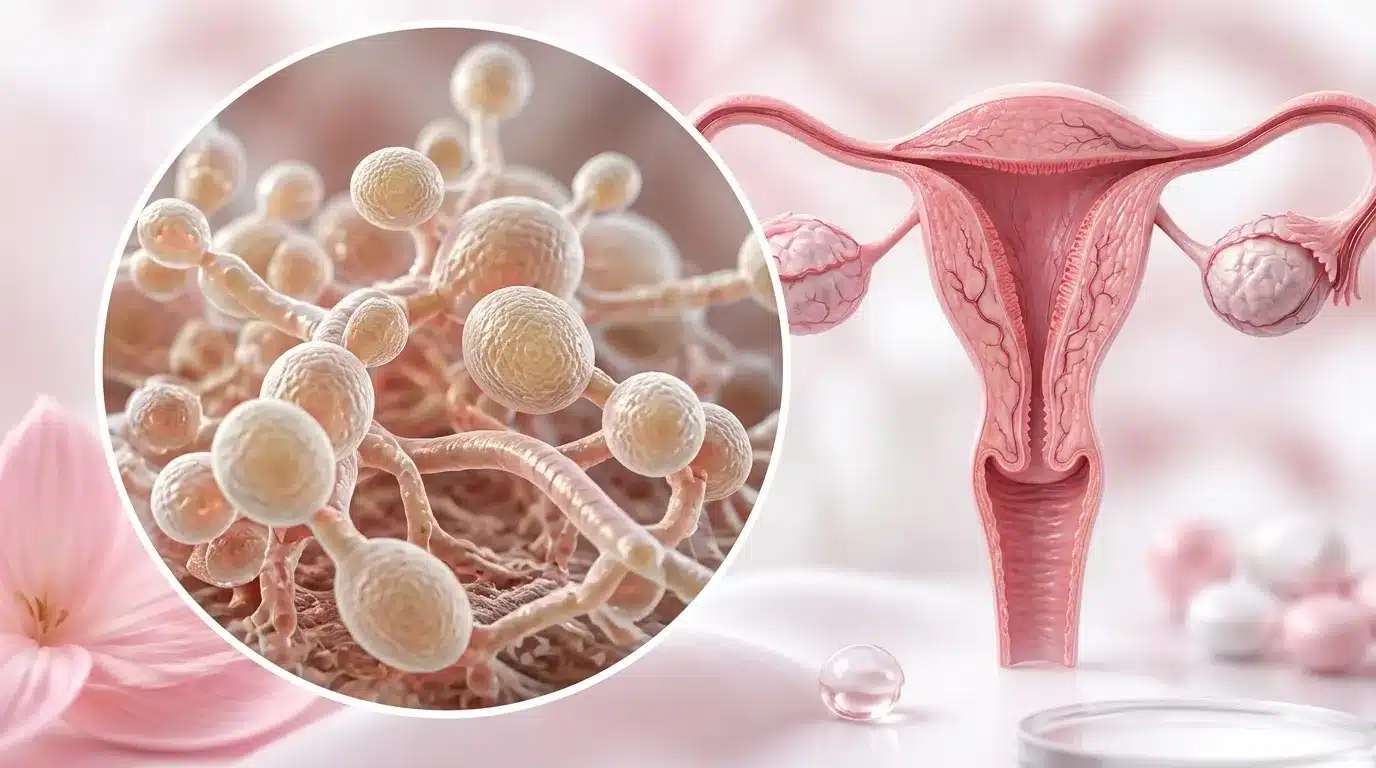
Yeast infections do not appear out of nowhere. Usually, something disrupts the body’s natural balance. When that balance slips, yeast starts to grow more than it should.
Antibiotics
Antibiotics are not selective. They destroy harmful microbes, but they also remove beneficial microorganisms. Your body uses beneficial microbes to maintain low yeast levels.
After it is gone, yeast can multiply quickly.
This is why so many women suffer symptoms right after the completion of an antibiotic course.
This change can sometimes cause bleeding from a yeast infection.
High Blood Sugar
Yeast feeds on sugar. When your blood sugar runs high, it creates the perfect food source for yeast to multiply.
This is why infections are more common in people with diabetes or unmanaged sugar levels.
- High sugar levels feed yeast growth.
- Diabetes raises your risk.
- Unmanaged blood sugar makes infections more frequent.
- More yeast growth can lead to bleeding from a yeast infection.
Hormonal Shifts
Your hormones control more than your mood. They also affect yeast levels in your body.
Estrogen changes during pregnancy, birth control use, or your period can shift that balance.
This makes yeast grow faster than usual. That’s why many women notice symptoms at certain times of the month.
These shifts can sometimes lead to bleeding from a yeast infection, too.
Weak Immune System
Hormones regulate more than just your emotions. They also affect your body’s yeast levels.
Such a balance may be disturbed by changes in estrogen during pregnancy, birth control usage, or menstruation.
Yeast grows more quickly as a result. Because of this, a lot of women suffer symptoms during specific periods of the month.
Such changes can sometimes result in bleeding from a yeast infection.
Moisture and Tight Clothing
Yeast needs moist, warm environments. Heat and moisture are trapped by tight pants or damp swimsuits.
It can grow in an atmosphere of comfort as a result.
- Sweat and heat are trapped in tight garments.
- Wet swimwear absorbs moisture on the skin.
- Damp conditions help yeast grow faster.
- Letting your skin breathe keeps things dry and balanced.
Signs and Symptoms of a Yeast Infection
A yeast infection can be hard to ignore once it sets in. Your body usually gives you a few clear signals that something is off.
Watch for these, so you can act early.
Itching and irritation
This is often the first thing you notice. The area around your vagina and vulva can feel itchy and restless.
Burning sensation
You might feel a sting while you pee or during sex. It often hurts more than you would expect.
Thick white discharge
Many women say it looks a lot like cottage cheese. It tends to be odorless, so you may not smell anything.
Redness and swelling
The skin around your vulva can look puffy, sore, and angry. It may feel tender or warm when you touch it.
Soreness or rash
Some women get a rash or a general achiness down there. The whole area can feel raw and uncomfortable to sit in.
If you notice a few of these together, a yeast infection is a likely cause. Still, everybody is different, so your signs may vary.
How to Reduce Irritation and Prevent Bleeding?
A few small habits can calm irritation and stop the spotting. Gentle care makes the biggest difference.
The goal is to protect that fragile tissue while it heals.
- Wear loose cotton underwear: Cotton lets your skin breathe and helps you stay dry.
- Skip scented products: Perfumed products sting sore skin. Plain warm water is kinder while you heal.
- Resist the urge to scratch: The itch is hard. Scratching tears the tissue, causing bleeding.
- Hold off on sex: Give the area a break until you feel better. Friction can reopen those tiny tears.
- Change out of wet clothes fast: Damp swimwear and gym gear feed yeast. Dry off and switch quickly.
When to Seek Professional Help?
Most yeast infections clear up with home care. But some signs mean it’s time to see a doctor.
Bleeding that won’t stop, heavy discharge, or severe pain need medical attention.
- Bleeding that lasts more than a day or two.
- Heavy or unusual discharge.
- Severe pain or swelling.
- Symptoms that don’t improve with home care.
- Fever or chills alongside other symptoms.
This article is for general information only and is not medical advice. It should not replace a visit to your doctor or healthcare provider. If you have bleeding or other symptoms that worry you, please reach out to a professional.
Final Thoughts
Light bleeding from a yeast infection is usually nothing to panic over; a gentle approach and the right treatment will get you back to normal.
Still, you know your body better than anyone.
There is no shame in picking up the phone and asking the doctor. Take care of yourself this week. Pop on some soft cotton, ease off the scented soaps, and let things settle.
Curious what healthy discharge should look like? Have a read of our guide on vaginal health next.
Frequently Asked Questions(FAQs)
1. Can a Yeast Infection Cause Brown Discharge?
Yes, it can. Brown discharge usually means a little old blood mixed in, often from irritated tissue rather than the yeast itself.
2. Can a Yeast Infection Cause Bleeding in Men?
It can. Men may notice irritation, redness, or small cracks on the skin, and those tiny tears sometimes bleed a bit.
3. How Much Bleeding is Normal with a Yeast Infection?
Only light spotting is normal. Anything heavier or bleeding with clots is not, so please get it checked by your doctor.
