







Yeast infections have a way of coming back at the worst times. Many people try creams, only to see the itching return weeks later.
That is where boric acid enters the conversation. It has become a popular option for stubborn infections that will not quit.
A common concern is how long boric acid should be used safely to treat a yeast infection and see results. The right duration depends on the type of infection, symptom severity, and medical advice.
Below is what you should know about the use of boric acid for yeast infection, how often to use it, and whether it’s the right treatment.
What is Boric Acid For Yeast Infection?
Boric acid is a white, powdery compound made from boron, water, and oxygen. People have used it for years as a mild antiseptic.
For yeast infections, it comes as a capsule or suppository that goes inside the vagina. It is not a cream you rub on. Doctors usually suggest it when standard antifungal treatments fail to clear things up.
This includes infections that keep coming back or ones caused by less common yeast strains. One example is Candida glabrata, which often shrugs off typical medicine.
Each capsule typically holds 600 mg of boric acid. It works by making the vaginal environment less conducive to yeast growth. The change in pH throws yeast off balance and slows it down.
Is It Safe to Use Boric Acid for Yeast Infections?
For most healthy adults, boric acid is safe when used the right way. That means as a vaginal capsule, once a day, at the dose your doctor sets.
Problems start when people misuse it. Never swallow it, since it is poisonous by mouth. Keep it far from children and pets.
Pregnant women should skip it completely, as it can harm the baby. Mild side effects, such as watery discharge or slight burning, are common.
Stop right away if you feel severe pain or bleeding. When unsure, a quick call to your doctor helps.
Boric acid suppositories aren’t FDA-approved for this use; they’re typically recommended off-label by doctors and sold as supplements, so product quality can vary.
How Long to Use Boric Acid for Yeast Infection?
In most cases, boric acid for a yeast infection should be used for atleast 14 days. You place one capsule inside the vagina once a day, usually at bedtime. The nighttime timing helps the capsule stay put while you sleep.
The exact length depends on what you are dealing with:
- For a standard infection, a minimum of 7 days to see a change.
- For stubborn or repeat infections, doctors may suggest a full 14 days.
- For recurrent infections, some doctors add a maintenance dose. This might mean using it twice a week for several months.
Never guess your own schedule here. Stick to what your doctor tells you, since going too short can let the yeast bounce back.
Going too long without guidance is not smart either. When in doubt, finish the course you were given and check in.
How to Use Boric Acid to Fight Vaginal Infections?
A few careful steps can make all the difference. Below, you’ll find everything you need to do, explained clearly and simply, so you can move forward confidently and avoid common mistakes.
Step 1: Wash Your Hands
Begin each time with a clean slate. Wash your hands properly to remove all germs. Scrub your hands for about 20 seconds.
This keeps you free from unwanted germs. Clean hands reduce the chance of creating a brand new mess. It is a very small but important step.
Step 2: Get Into Position
Choose a place where you will feel comfortable. Many people prefer to lie on their backs with bent knees.
Some prefer to stand with one leg raised at the edge of the tub. Whichever method you choose is fine! Just do whatever makes it the least effort for you.
Step 3: Insert the Capsule
Take one 600 mg boric acid capsule out of the box. Gently push it as far into the vagina as it will comfortably go.
You can use a clean applicator if one came with your package. Clean fingers work just as well for most people. Go slow and stop if anything feels sharp or painful.
Relax your muscles first, since a tense body makes insertion harder.
Step 4: Time It Right
Do this at night, right before you climb into bed. Lying down helps the capsule stay put as it slowly dissolves.
Nighttime use also reduces leakage during the day. Sleep gives the treatment several quiet hours to do its work.
This simple timing trick makes each dose more effective overall.
Set a nightly phone reminder so you never skip a dose.
Step 5: Manage the Leftover Mess
Experiencing watery secretions the following day is commonplace. Wear a pantyliner to remain clean and at ease.
Refrain from using tampons while you are under treatment with boric acid. Keep the outer region dry and clean during the treatments.
Although it could feel messy, it is worth it as a solution to your problem.
Step 6: Finish the Full Course
Do not stop your treatment prematurely at the first signs of improvement.
Continue using it for 7-14 days as prescribed by your physician. Stopping too early will only lead to more yeast infections.
Follow the prescription explicitly to ensure a speedy, effective recovery and to prevent recurrent infections.
Does Boric Acid Cure Yeast Infection Permanently?
Boric acid does not cure a yeast infection permanently, at least not on its own.
It clears the yeast that is causing your current infection. It does a solid job of that. But it cannot prevent a new infection from appearing later.
Yeast infections come back for many reasons. Antibiotics, tight clothing, and high blood sugar can all trigger them. Boric acid does not change those root causes.
For people with repeat infections, doctors often suggest a maintenance plan. This keeps the yeast in check over time. Still, even that is not a forever fix.
Think of boric acid as a strong tool, not a cure. Good habits matter just as much.
What Are the Signs That a Yeast Infection is Healing?
Knowing your infection is healing brings real peace of mind. The good news is that the signs are easy to spot. As boric acid does its work, your body starts to settle back to normal.
Many people feel changes after a few days. Thus, it’s good to watch for them to know that the treatment is effective.
These are the signs that things are getting better:
Less Itching: Itching decreases and stops bothering you all day, and it may be the first sign others notice. The need to scratch is gradually reduced.
Less Burning: Pain decreases during urination or sex. Raw and burning sensations ease. Daily activities no longer appear torturous.
Normal Discharge: The discharge becomes watery instead of thick and clotty. It stops looking like cottage cheese and starts resembling normal discharge.
Calmer Skin: Redness and swelling come down. The skin appears less angry and puffy.
Fading Smell: The odor becomes less pungent over time. The bad smell disappears as the yeast dies out.
Keep in mind that healing takes time. Some symptoms fade faster than others. Do not panic if one lingers a bit longer. If things are not improving after the full course, call your doctor.
Boric Acid vs Antifungal Medications
Both options treat yeast infections, but they work in different ways. Below is how boric acid and standard antifungal medicines stack up:
| Feature | Boric Acid | Antifungal Medications |
|---|---|---|
| How it works | Changes vaginal pH so yeast cannot grow | Kills yeast or stops it from spreading |
| Form | Vaginal capsule or suppository | Cream, tablet, or oral pill |
| When doctors use it | Repeat or stubborn infections | First choice for most infections |
| Works on tough strains | Yes, including Candida glabrata | Often struggles with resistant strains |
| Treatment length | 7 to 14 days | 1 to 7 days, depending on the type |
| Available over the counter | Yes, in most places | Some yes, some need a prescription |
| Safe during pregnancy | No, avoid it | Many are considered safe |
Other Treatment Options for Yeast Infections
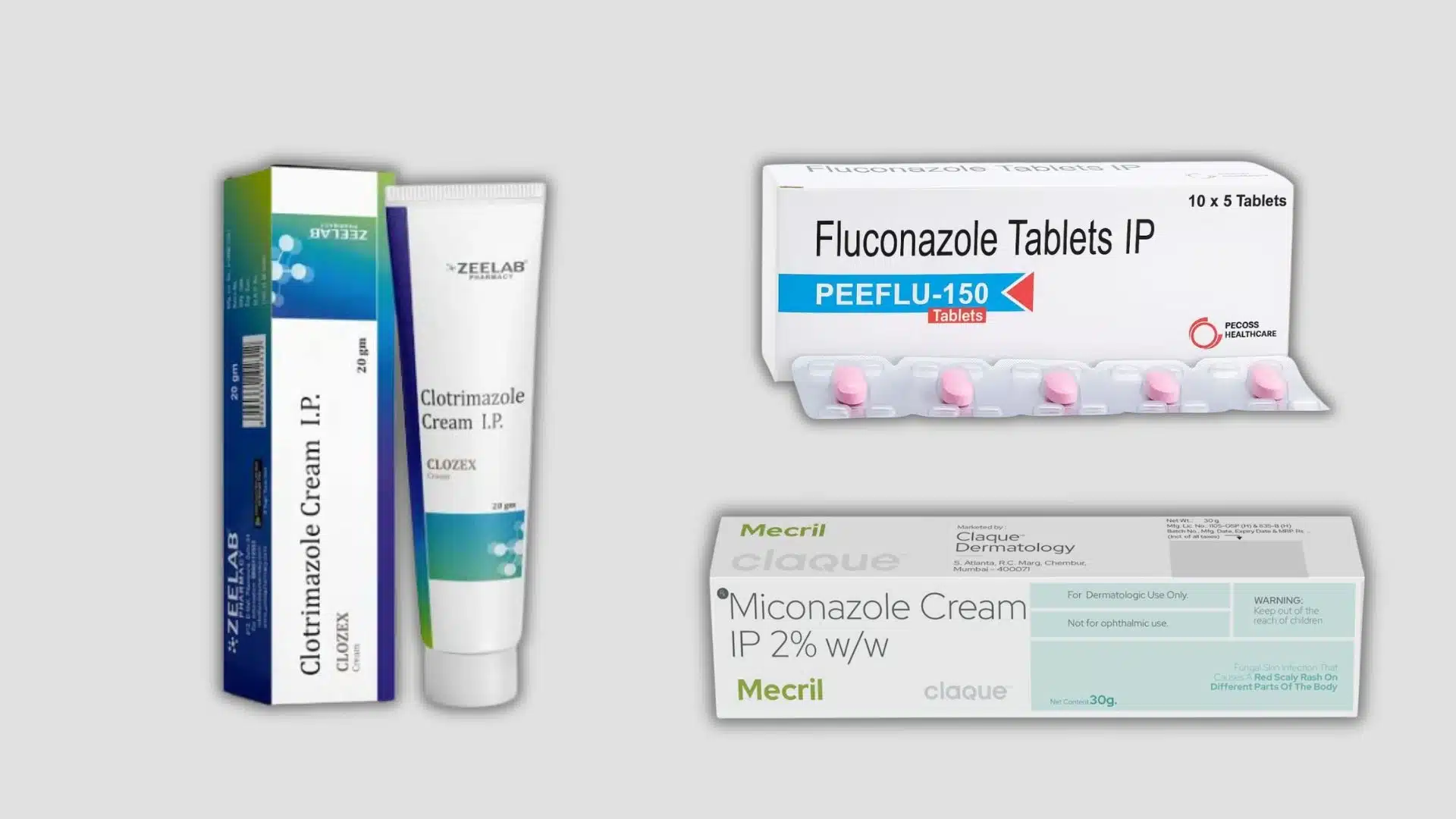
Boric acid is not your only choice. Below are the other options worth knowing.
1. Over-the-Counter Antifungal Creams
These are the most common first pick for yeast infections. You can buy them without a prescription.
Creams like miconazole and clotrimazole are available. Courses run one to seven days.
2. Oral Antifungal Pills
Fluconazole is a single pill you swallow by mouth. A doctor has to prescribe it for you.
Many people like it because there is no mess or insertion. One dose often clears a simple infection.
3. Prescription-Strength Treatments
Some infections need stronger help than the shelf offers. Doctors may prescribe a longer course or a higher dose.
These work well for stubborn or repeat cases. A checkup helps you find the right fit.
4. Home and Natural Remedies
Some people try yogurt, garlic, or probiotics for relief. The proof behind these is thin.
They may ease mild symptoms but rarely clear a real infection.
5. Lifestyle Changes
Small daily habits can lower your risk over time. Wear cotton underwear and skip tight, damp clothing.
Keep blood sugar in check if you have diabetes. These steps support treatment but do not replace it.
Disclaimer: This article is for informational purposes only. Talk to a doctor before starting any of the prescribed medicine.
Final Thoughts
How long to use boric acid for a yeast infection depends on your situation.
Most people need 7 to 14 days of nightly use. Repeat infections may call for a maintenance dose after that.
Boric acid works well for stubborn cases, but it is not a permanent fix. Good habits and the right timing matter just as much. Always finish the full course your doctor sets.
And never swallow it, since it is poisonous. When symptoms stick around, book a checkup. Your comfort is worth that quick call.
Frequently Asked Questions (FAQs)
1. How Long Does Boric Acid Take to Flush Out?
Boric acid typically flushes out within one to two days, often appearing as watery discharge as the body naturally clears the remaining residue.
2. Can Boric Acid Cure a Yeast Infection Completely?
No, boric acid can treat the current infection, but it cannot prevent new infections from developing or returning later.
3. Can I Have Sex While Using Boric Acid Suppositories?
No, avoid sex while using them, as intercourse may displace the medication, reduce its effectiveness, and potentially cause additional irritation.
4. How to Get Rid of a Yeast Infection in 24 Hours?
A single fluconazole pill may provide the fastest relief, but completely clearing the infection can still take several days.
