
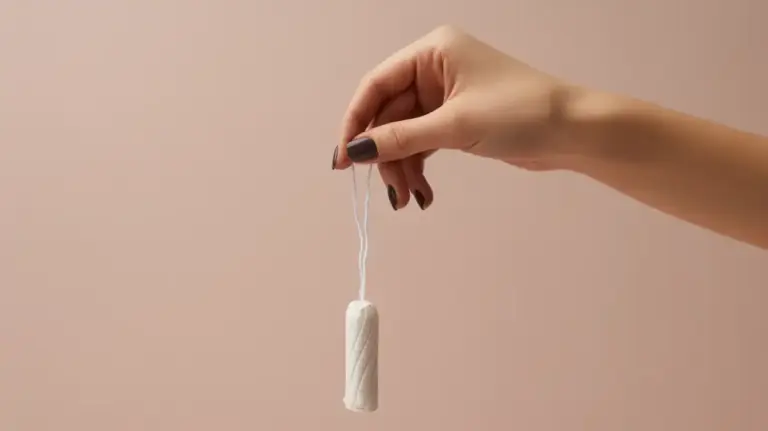






You just got a UTI, and you are asking if your tampon had something to do with it.
It’s one of the most common questions I hear — and honestly, it makes total sense to connect the two. You got a UTI. You were using a tampon. But here’s what’s actually going on.
I will cover what actually causes UTIs and what you can do to stay safe.
What are Tampons?
Tampons are small, absorbent products inserted into the vaginal canal to absorb menstrual blood.
They come in two main styles: the applicator tampons use a plastic or cardboard tube for easy insertion, and the non-applicator ones are inserted with a finger.
They also come in different absorbency levels: light, regular, and super. You pick one based on how heavy your flow is.
A tampon sits inside the vaginal canal, which is anatomically separate from your urethra, the tiny opening you actually urinate from.
They don’t share a wall, they don’t interact, and a tampon can’t block or touch your urinary tract.
This is the detail that trips most people up.
What is a Urinary Tract Infection (UTI)?
A UTI is an infection in any part of your urinary system, i.e., the bladder, urethra, and kidneys.
Most UTIs start in the bladder or urethra when bacteria, usually E. coli from your gut, get in and start multiplying.
Women get UTIs far more often than men because our urethra is significantly shorter, roughly 4 cm versus 20 cm in men.
That shorter distance is all bacteria need to travel from the outside to the bladder.
Can Tampons Cause UTI?
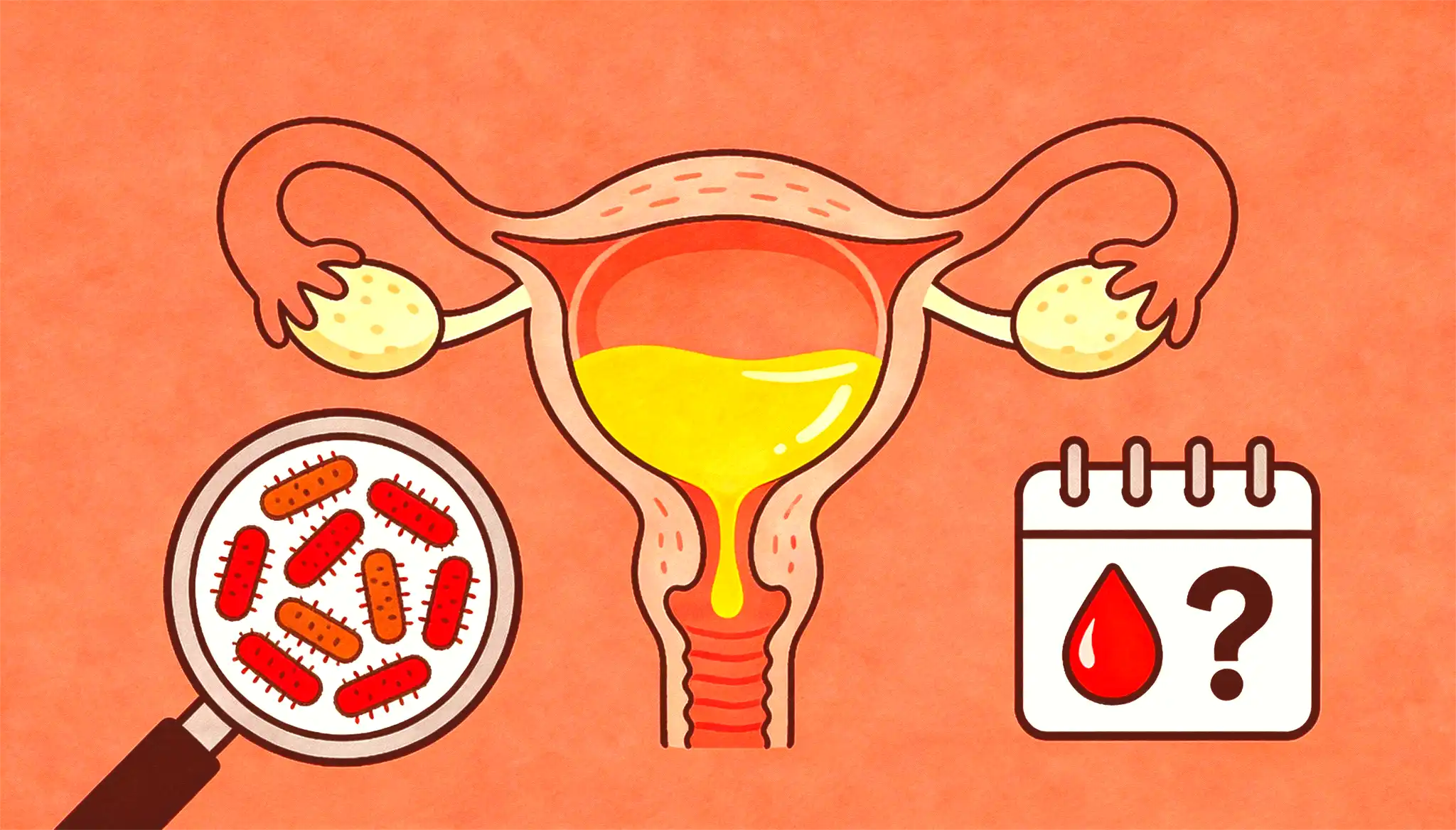
A lot of women notice UTI-like symptoms during their period, and since they are using a tampon at the same time, it is easy to connect the two.
But that connection is not always accurate; what actually overlaps is:
- Period hormones can irritate the urinary tract.
- Wiping habits during your period can introduce bacteria.
- Scented tampons can disrupt your vaginal pH balance.
- Leaving a tampon in for too long creates conditions for bacterial growth.
Clinically speaking, tampons aren’t a UTI risk factor — your urinary tract and vaginal canal are separate systems.
What does raise your risk is everything happening around tampon use: hormonal shifts, hygiene habits, and how long you leave one in.
The tampon is incidental; the context around it isn’t.
But, What Actually Causes UTI?
People assume UTIs are random, but your body usually gives you clear signals that something specific triggered it.
Bacteria are always at the center of it, but where they end up depends on your daily habits, your hygiene, and even how much water you drink.
These are the main causes:
1. E. coli Bacteria
E. coli lives in the gut but can spread to the urethra easily, especially with poor hygiene habits.
2. Wiping Back to Front
This single habit pushes bacteria from the rectal area straight toward the urethra. Always wipe front to back.
3. Sexual Activity
Sex and intimacy can push bacteria into the urinary tract. This is why UTIs after sex are quite common.
Urinating within 30 minutes of sex is one of the most effective ways to flush out any bacteria before it settles. It’s a simple habit that makes a real difference.
4. Dehydration and Holding Your Pee
Not drinking enough water and holding your urine for too long gives bacteria the space to grow in the bladder.
5. Wearing Tight or Synthetic Underwear
Tight, non-breathable underwear traps heat and moisture, creating conditions in which bacteria can grow
6. Using Harsh Soaps or Feminine Sprays
Scented soaps, douches, and sprays disturb the natural pH balance near the vaginal area.
7. Hormonal Changes
Hormonal shifts during menstruation or menopause can change the vaginal environment.
8. A Weakened Immune System
When your immune system is compromised, your body struggles to fight off bacterial infections, making UTIs more likely.
UTI Symptoms Women Should not Ignore
UTIs can feel different for every woman. Some signs are obvious, and others are easy to disregard as period cramps or general tiredness.
Knowing what to look for helps you act fast before things get worse.
- Burning or stinging during urination
- A frequent and strong urge to pee, even when little comes out
- Pelvic discomfort or pressure near the lower abdomen
- Cloudy, dark, or strong-smelling urine
If you’re noticing any of these, don’t try to wait it out or self-treat with cranberry juice alone — UTIs don’t resolve on their own and can move to your kidneys if left untreated.
See a doctor; it’s a quick diagnosis and a short antibiotic course.
Can You Get UTI from Menstrual Cups and Pads, too?
Tampons are not the only period products that raise this question.
Many women ask the same thing about menstrual cups and pads, but no period product directly causes UTIs.
What matters is how you use and care for them.
Menstrual Cups
Menstrual cups sit inside the vaginal canal, similar to tampons. They do not directly cause UTIs, but improper cleaning is where things can go wrong.
- A cup that is not washed properly between uses can carry bacteria.
- Inserting a cup with unclean hands raises your risk.
- A cup that fits poorly can create pressure around the bladder, causing discomfort that may feel like a UTI.
Pads
Pads sit outside the body, so they do not interact with the vaginal canal the same way, but they come with their own concerns.
- Wearing a pad for too long traps moisture and warmth, creating conditions where bacteria can grow.
- Scented pads can irritate the skin around the urethra.
- Poor wiping habits combined with a soiled pad can increase bacterial spread.
UTI vs Yeast Infection vs Tampon Irritation
These three conditions feel similar, and that is why so many women misread what is going on.
Burning, itching, pressure, and general discomfort can appear in all three, but each has its own specific signs to look out for.
| Symptom | UTI | Yeast Infection | Tampon Irritation |
|---|---|---|---|
| Burning during urination | Yes | Sometimes | Rarely |
| Itching or soreness | Rarely | Yes | Yes |
| Unusual discharge | Sometimes | Yes, thick and white | No |
| Pelvic pressure | Yes | Rarely | Sometimes |
| Odor | Sometimes | Mild, yeasty | No |
| Fever or chills | Sometimes | No | No |
Yeast Infection
A yeast infection happens when Candida, a fungus that normally lives in the vagina in small amounts, overgrows.
Antibiotics are one of the most common triggers because they wipe out the good bacteria that keep Candida in check. Hormonal changes and high sugar intake can do the same.
The hallmark signs are thick, white discharge (often described as cottage-cheese texture), itching, and soreness.
An OTC antifungal usually clears it up; if it keeps recurring, that’s worth a conversation with your doctor.
Tampon Irritation
Tampon irritation occurs when the vaginal lining reacts to a tampon’s material or fragrance.
It can also happen from inserting a dry tampon or leaving one in too long. Signs include itching, soreness, and mild discomfort.
Switching to unscented tampons and changing them regularly usually resolves the irritation quickly.
Everyday Habits that Help Prevent UTIs During Your Period
Your period is already a lot to deal with, so the last thing you don’t need is a UTI on top of it.
Small, simple changes to your daily habits can make a big difference.
- Change your tampon every 4 to 8 hours.
- Always wash your hands before insertion.
- Drink plenty of water throughout the day.
- Change out of wet or damp clothes quickly.
- Always wipe front to back after using the toilet.
- Stay away from scented soaps and sprays near the vaginal area.
- Wear cotton underwear to allow airflow.
If you're prone to UTIs around your period specifically, it's worth tracking the timing.
Hormonal dips in estrogen just before menstruation can thin the vaginal lining and reduce its natural bacterial protection - making you genuinely more susceptible at that point in your cycle, not just from tampon habits.
Signs it’s Time to See a Doctor
Women try to manage UTI symptoms on their own, but some signs tell you it is time to see a doctor.
If you have a fever, back pain, or blood in your urine, do not wait; these are not typical UTI symptoms and may indicate a more serious condition, such as a kidney infection.
If your symptoms last more than two days or keep getting worse, that is another clear sign to get checked.
And if you keep getting UTIs every few months, tell your doctor because recurrent UTIs need proper testing.
The same goes for any concerns about tampon use or ongoing vaginal discomfort; only a doctor can give you the right answers.
Disclaimer: This blog post is for informational purposes only and is not a substitute for professional medical advice. Always consult a qualified healthcare provider for any health concerns or before making changes to your health routine.
Conclusion
So, can tampons cause UTI? Not really, your tampon is not the problem here.
The main issue is the small habits we overlook, which can be easily fixed without any special products or complicated routines, but by a few small shifts in your daily habits.
And if something still feels off after making those changes, please see a doctor.
Have you ever mistaken period discomfort for a UTI? Drop your experience in the comments below.
Frequently Asked Questions (FAQs)
1. What Infection Can a Tampon Cause?
Leaving a tampon in too long can lead to bacterial growth, causing irritation or, in rare cases, Toxic Shock Syndrome (TSS).
2. Can Scented Tampons Irritate the Body?
Yes. Fragrances in scented tampons can disrupt your vaginal pH balance and cause irritation, itching, or increased infection risk.
3. Can Tampon Use Affect my Urine Test Results?
A tampon does not affect results, but doctors usually ask you to remove it before giving a urine sample to avoid contamination.
