







A rash from heat or a new soap usually clears up in a day or two.
But one that spreads across your chest, back, and face while you feel feverish is a different story.
For people with HIV, a rash is often the first sign the body sends out. Many people spot it early but have no idea what it means.
They brush it off as a bug bite or an allergic reaction and move on.
If you have been searching for where do HIV rashes appear and what they look like, this guide breaks it down clearly so you know exactly when to act.
What is an HIV Rash?
An HIV rash is a skin reaction that happens when the body responds to the HIV virus.
HIV rash is one of the most common early symptoms of HIV infection.
Studies suggest many people with early HIV may develop a rash during the first few weeks of infection.
The rash usually looks like small, flat, or slightly raised red spots on the skin. In people with darker skin, the spots may appear dark brown or purple.
It can show up on its own or along with other symptoms like fever, fatigue, and sore throat.
It is important to know that an HIV rash is not contagious. You cannot catch it by touching someone who has it.
But the rash itself is a sign that the immune system is under attack and needs attention.
What an HIV Rash Looks Like?
The spots are usually small, about the size of a pencil eraser – flat or very slightly raised.
On lighter skin they appear red, sometimes with a pinkish tone. On darker skin, the same spots often look dark brown or purple, which means they’re regularly mistaken for bruising or hyperpigmentation.
What makes this rash distinctive: it spreads fast and covers a wide area.
A heat rash tends to stay in one zone. An HIV rash can show up on your chest and back at the same time it’s appearing on your face and arms — within days.
How it Looks:
- Small, flat, or slightly raised spots on the skin
- Red in color for people with lighter skin
- Dark brown or purple for people with darker skin
- The spots may appear in clusters or patches
- The affected area may feel itchy or sore
Signs and Symptoms of HIV
An HIV rash rarely shows up alone. Your body is fighting the virus. And that fight shows up in more ways than one.
Here are the most common symptoms you may notice along with the rash:
- Fever: Your body temperature rises as the immune system reacts.
- Fatigue and body weakness: You may feel tired even without doing much.
- Sore throat: It can feel like a regular cold or flu.
- Swollen lymph nodes: Small lumps may appear on your neck or underarms.
- Headaches: Mild to moderate head pain is common.
- Muscle aches: Your body may feel sore all over.
- Nausea or vomiting: Some people also feel sick to their stomach.
These symptoms together are often mistaken for the flu. And this is the reason that many people miss the early signs of HIV.
If you notice a rash along with these symptoms, it is best to see a doctor as soon as possible.
Where do HIV Rashes Appear on the Body?
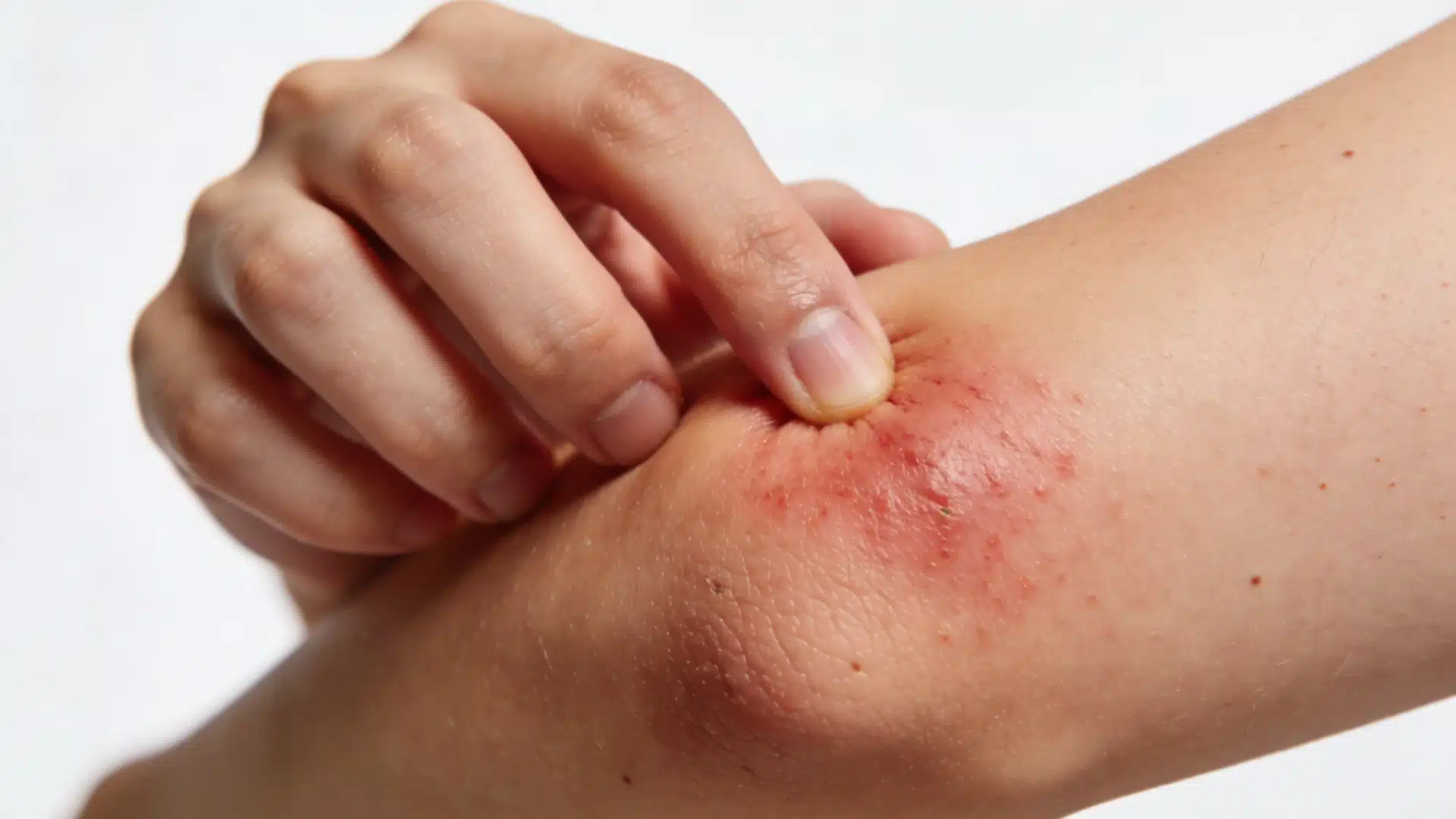
An HIV rash most commonly appears on the chest, back, and face — often within two to four weeks of infection.
It looks like small, flat red spots on lighter skin, or dark brown and purple patches on darker skin. It usually spreads across multiple areas at once, which is what sets it apart from a typical allergic reaction or heat rash.
Let’s have a detailed look.
1. Face
This is often the first place the rash shows up. You may notice red or brown spots on your cheeks, forehead, or around your nose.
It can be easy to mistake it for a simple allergic reaction.
A regular pimple or allergic rash usually stays small and fades fast. An HIV rash on the face tends to spread and stay around longer than you would expect.
2. Chest and Back
These are the most commonly affected areas.
The rash can spread across a large part of your upper body quite fast. Many people notice it here before anywhere else.
The spots may start small, but they can cover a wide area within a few days. Some people describe it as a patchy red or brown spread across the chest and back.
If the rash on your chest and back comes along with fever, fatigue, or a sore throat, that combination is a clear sign to see a doctor as soon as possible.
3. Arms and Legs
Small red or brown spots can also appear on your arms and legs. They may not look serious at first. But do not ignore them.
When these spots show up on your arms and legs along with other symptoms, they are telling you something important.
Do not brush them off. Pay attention to how they look and how long they stay.
4. Palms and Soles
Even your hands and feet are not spared. In some cases, the rash shows up on the palms of your hands and the soles of your feet.
This is actually one of the more telling signs. Most common rashes do not show up in these areas.
So if you notice spots on your palms or soles, it is a good idea to get checked by a doctor.
5. Mouth and Genitals
Some people also develop sores or ulcers inside the mouth or on the genitals. This is not just a rash. These sores can feel painful and uncomfortable.
They can make eating, drinking, or even talking feel difficult.
Many people overlook this sign because they think it is a cold sore or a minor infection. But if these sores appear alongside other symptoms, take it seriously and see a doctor right away.
A normal allergic rash usually stays in one area. But an HIV rash spreads. It moves across different parts of the body at the same time.
If you see a rash spreading to multiple areas, that is a sign worth paying attention to.
What Causes an HIV Rash?
The rash doesn’t just appear out of nowhere. There are a few different reasons why it shows up.
1. The Body’s Immune Response
When HIV enters the body, the immune system fights back. This fight causes inflammation. Inflammation can show up on the skin as a rash.
It is the body’s way of reacting to the virus.
2. Acute HIV Infection
In the early weeks after infection, the body goes through a stage called acute HIV infection. During this stage, the virus spreads quickly.
The rash is a direct result of this rapid spread.
3. Medications
Some HIV medications can also cause a rash. This is called a drug reaction. It usually appears within the first few weeks of starting a new medication.
If this happens, it is important to tell your doctor right away.
4. Other Infections
HIV weakens the immune system over time. This makes the body more open to other skin infections.
These infections can also cause rashes that look similar to an HIV rash.
HIV Rash in Early Stage
The early stage of HIV is called the acute stage. It begins two to four weeks after the virus enters the body.
This is when the rash is most likely to appear.
The rash shows up as the immune system fights the virus.
It spreads quickly and covers a large area of the body. Most people mistake it for a common skin rash or the flu.
This is the most commonly missed stage.
If you think you have been exposed to HIV, don’t wait. Get tested as early as possible.
How Long Does an HIV Rash Last?
An HIV rash usually goes away on its own within one to three weeks.
If the rash is from the early stage of HIV, it clears up as the body adjusts. If a medication causes it, it goes away once the medication is changed.
If the rash keeps coming back or gets worse, it means the immune system is weakening. See a doctor right away.
Treatment Options for HIV Rash
There is no single treatment for an HIV rash. The right treatment depends on what is causing it.
Antiretroviral Therapy (ART)
This is the main treatment for HIV. It controls the virus and helps the rash clear up over time.
Changing Medications
If a medication is causing the rash, your doctor may switch you to a different one. Never stop your medication without talking to your doctor first.
Antihistamines and Creams
These help ease the itching and discomfort. They don’t cure the rash but make it easier to manage.
Avoid Heat and Sun
Heat and sunlight can make the rash worse. Wear loose, breathable clothing and stay out of direct sunlight.
Disclaimer: The treatment options mentioned above are commonly suggested ways to manage an HIV rash, but they should never replace professional medical advice. Always speak with a doctor or healthcare provider first before starting, stopping, or changing any medication or treatment related to HIV or skin rashes.
Conclusion
An HIV rash can show up on the face, chest, back, arms, and legs. It comes with flu-like symptoms and usually clears up within one to three weeks.
Knowing where do HIV rashes appear on the body can help you spot the signs early.
If the rash keeps coming back or gets worse, see a doctor right away. Early detection makes a big difference.
Don’t wait; get tested and take control of your health today.
Frequently Asked Questions (FAQ’s)
1. Where is the Most Common Place for an HIV Rash?
The most common places for an HIV rash are the chest and back. It can also show up on the face, arms, and legs.
2. How to Identify an HIV Rash?
An HIV rash looks like small, flat, or slightly raised spots. They appear red on lighter skin and dark brown or purple on darker skin.
3. Is an HIV Rash Itchy?
Yes, an HIV rash can be itchy. It may also feel sore or uncomfortable.
