






Waiting for STD test results can feel anxious. The feeling of not knowing is tough.
So, how long an STD test takes depends on various factors.
Knowing what to expect makes the wait easier because it helps you plan, and it keeps the stress low. So let’s know everything about STD tests.
Disclaimer: This blog is for informational purposes only and is not a substitute for professional medical advice. Always consult a qualified healthcare provider for diagnosis, testing, and treatment. Do not make any health decisions based solely on the information provided here.
What is an STD?
An STD stands for Sexually Transmitted Disease.
First, an infection starts as an STI (Sexually Transmitted Infection), and then it becomes a disease when it causes clear symptoms or damage.
There are different types, and many STDs show zero symptoms early on.
So you can have one and not know it.
Testing early prevents complications from getting serious, stops you from unknowingly passing infections to others, and gets you treatment faster.
But How Long does an STD Test Take?
People worry the appointment will take a lot of time, but it usually does not.
A typical STD test appointment lasts 15 to 45 minutes and includes paperwork, a brief consultation with the provider, and sample collection.
The actual sample collection is fast, taking just a few minutes.
What are the Different Types of STDs?
There are many types of STDs, and each one behaves differently. Some show symptoms early, while others stay silent for months or even years.
1. Chlamydia
Chlamydia is one of the most common bacterial STDs.
It spreads through sexual contact and can affect the genitals, throat, and rectum. A urine or swab test is used for detection, and results come back in 2 to 5 days.
2. Gonorrhea
Gonorrhea is a bacterial infection that spreads through sexual contact.
It can infect the genitals, throat, and rectum, and people show no signs at all. A urine or swab sample is used for testing, and results usually take 2 to 5 days to return.
3. HIV (Human Immunodeficiency Virus)
HIV attacks the immune system, weakening the body’s ability to fight infections.
It spreads through blood, sexual contact, and from mother to baby, so early testing is critical, as HIV can stay silent for years.
Rapid tests give results in minutes, while blood tests can take several days.
3. Syphilis
Syphilis is a bacterial infection that progresses in stages, with early symptoms including sores and rashes that can disappear without treatment.
Left untreated, it causes serious long-term damage to the heart and brain.
A blood test is taken, and results take from 3 to 7 days.
4. Herpes
Herpes is a viral infection spread through skin-to-skin contact and sexual activity, and people may never show visible symptoms.
Its test results take a few days to a week, depending on whether a swab or blood test is used.
5. Hepatitis B and C
Hepatitis B and C are viral infections that affect the liver, and they spread through blood, sexual contact, and the sharing of needles.
Both can cause long-term liver damage if left untreated.
A blood test is used for detection, and results are typically available within 3-10 days.
Keep in mind these are average timelines. Your actual wait time may vary depending on the clinic, lab workload, and the testing method used.
Should You Get Tested for an STD?
Yes, because many STDs give no warning signs at all.
In fact, many people have no idea they are infected, but certain symptoms should never be ignored, as early testing can make a significant difference in your health and recovery.
- Burning during urination
- Unusual discharge
- Genital sores or bumps
- Pelvic pain
- Unexplained rashes
- Pain during sex
But you do not always need symptoms to get tested.
Every STD has an incubation period, which is the gap between exposure and when signs appear.
Some symptoms show up in days, while others take weeks or months, and certain infections like HIV can stay completely silent for years while still spreading and causing internal damage.
When should you get tested?
- You should consider testing if you have a new sexual partner
- Have had unprotected sex
- Have multiple partners
- Have a partner who tested positive
- Are you pregnant or planning one
- Have you not had a routine check-up in a while
What does an STD Test Actually Include?
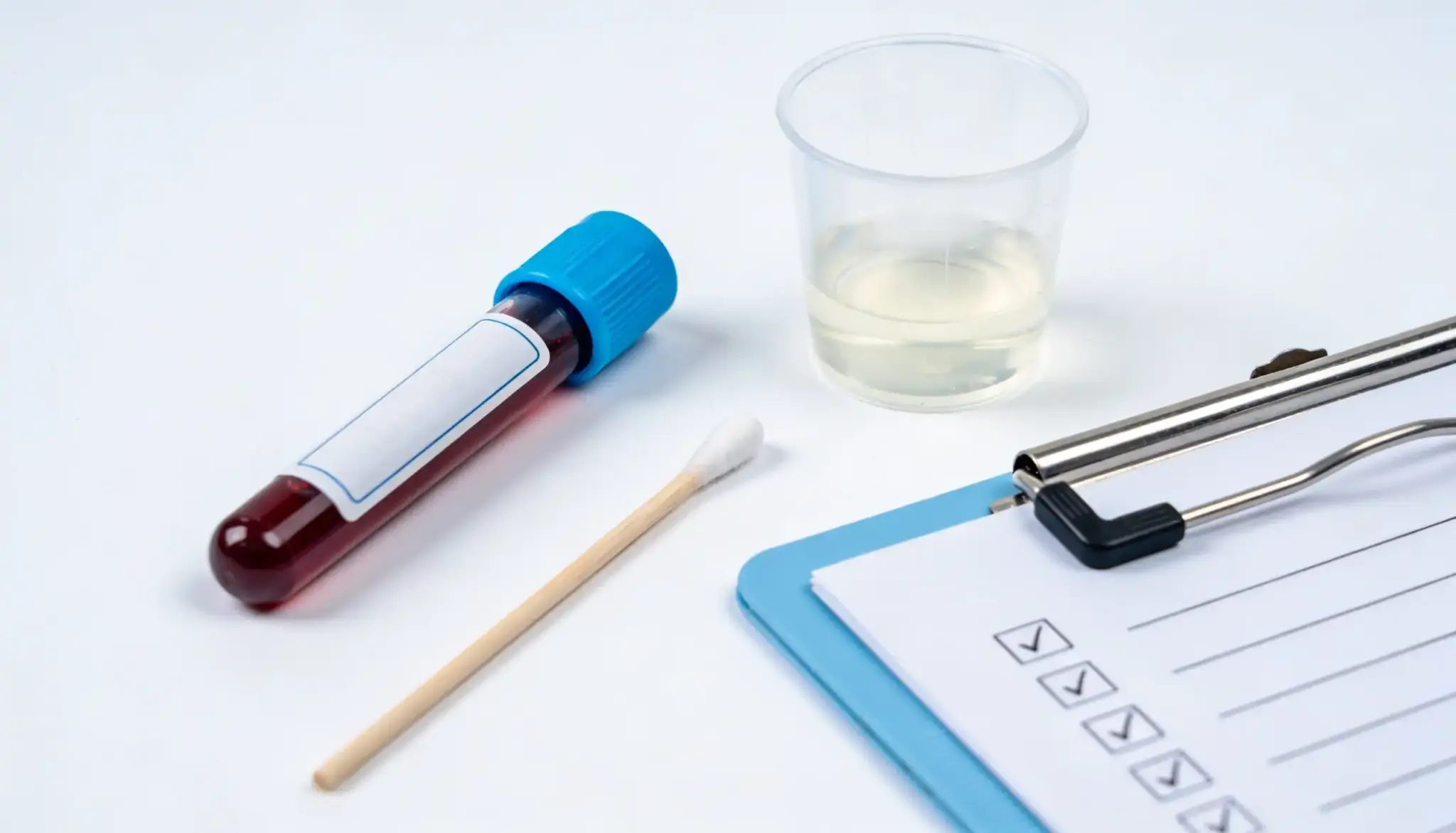
STD testing is not a single test; it usually involves one or more of the following tests. The combination of tests depends on your symptoms, sexual history, and risk factors.
- Urine sample: Used to test for chlamydia and gonorrhea. Results typically come back in 2 to 5 days.
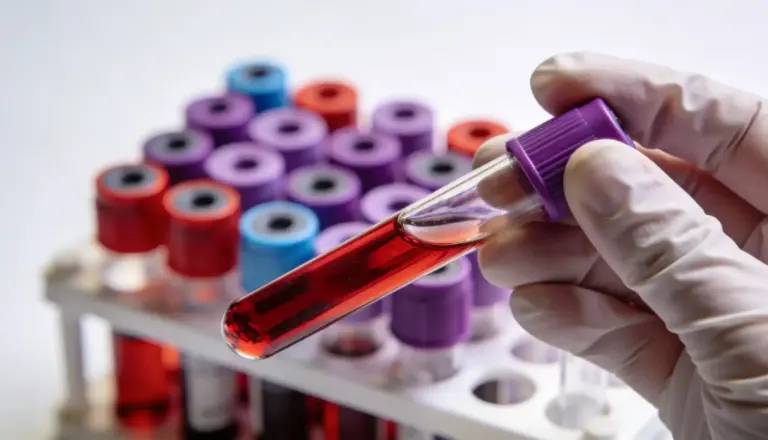
- Blood sample: Used for HIV, syphilis, and hepatitis B & C. Results take 1 to 7 days, depending on the infection.
- Swab test: A cotton swab collects samples from the throat, genitals, or rectum. Results take 2 to 5 days.
- Physical examination: A doctor may visually check for sores, rashes, or unusual discharge when needed. Findings are noted on the spot during your visit.
STD Testing Process: Step-by-Step
Walking into a clinic for the first time can feel a bit uncertain, but once you know what happens inside, it gets a lot less stressful.
The process is quick, private, and handled by trained professionals who do this every day, and it is designed to be fast and respectful of your time.
1. Medical history discussion
Your provider asks about your health background and sexual activity. This helps them decide which tests are right for you.
2. Symptom review
They note that any current symptoms you are experiencing, even minor details, can help them get a clearer picture.
3. Sample collection
Blood, urine, or swab samples are collected quickly and simply; people find this part much easier than they expected.
4. Lab processing
Your samples are sent to a lab for analysis. Results range from minutes to several days, depending on the test type. Your provider will share them via a call or a secure online portal.
If You Test Positive for an STD, What Happens Next?
A positive result can feel scary. But there is a clear path forward. Your healthcare provider will discuss treatment options with you. This may include:
- Antibiotics for bacterial infections like chlamydia or gonorrhea.
- Antiviral medications for infections like HIV or herpes.
- Regular monitoring and follow-up appointments.
Informing current or former partners is important because it prevents the infection from spreading further; some regions offer anonymous notification services.
Moving forward, practice safe sex, get regular screenings, and ask your doctor about available vaccinations, too.
Feeling anxious is normal, so rely on medical guidance rather than misinformation, as most STIs are very manageable with the right care.
What Happens if an STD is Left Untreated?
Ignoring an STD does not make it go away, but it gets worse.
In the short term, you may experience pain, worsening infections, and early fertility problems, and in the long term, the risks are more serious.
Untreated STDs can cause organ damage, chronic pain, pregnancy complications, and a higher risk of HIV.
The most dangerous part is the silent progression.
You can feel completely fine while the infection spreads internally and to others without you even knowing.
Can You do STD Testing at Home?
Yes, you can.
At home STD test kits have become a popular option for people who prefer privacy and convenience.
You order a kit online, collect your sample at home, mail it to a certified lab, and get your results through a secure online portal.
But there are some limitations, such as improper sample collection, which can affect accuracy; some infections still require in-person clinic testing; and shipping delays can also slow down your results.
As for accuracy, home tests from certified providers are generally reliable. But a positive result should always be followed up with a doctor for confirmation and treatment.
Home testing is a good starting point, but not always the final step.
Final Thoughts on STD Testing
Nobody looks forward to getting tested, but now you know exactly what to expect, and that makes the whole thing a lot less scary.
Testing is not a big deal, but it is just a normal part of looking after yourself, like going to the dentist, which nobody loves, but everyone feels better after.
So now you know how long it takes to get std results, book that appointment, get tested, and know your status.
Got questions or personal experiences to share? Drop them in the comments below. We would love to hear from you!
Frequently Asked Questions (FAQs)
1. What are 3 STDs that Have No Cure?
HIV, herpes, and HPV have no cure. However, all three can be managed effectively with the right medications and regular medical care.
2. Can You Get an STD from Kissing?
Most STDs do not spread through kissing. But herpes and syphilis can spread through close mouth-to-mouth contact.
3. Can You Get an STD from a Toilet Seat?
No, you cannot get an STD from a toilet seat. STDs need direct contact with infected bodily fluids or skin to spread.
