
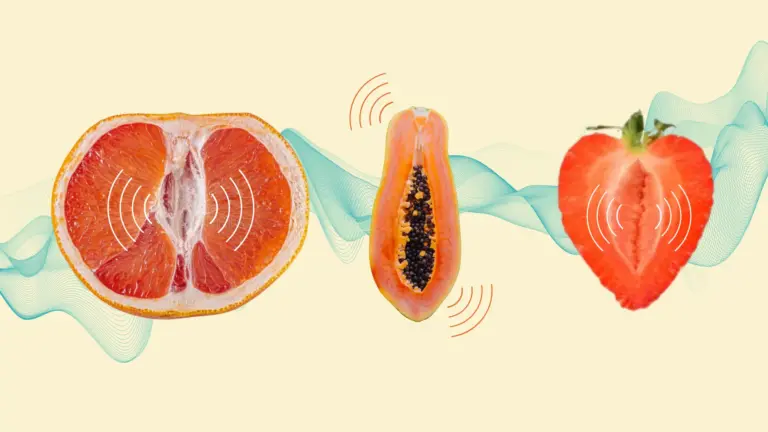






Do you ever feel a pulsing sensation in your vagina, and think – What’s going on down there?
That pulsing, aching, or throbbing sensation in your vaginal area can feel confusing, and maybe a little scary.
In this article, we’re breaking it all down just clear, fact-based answers to help you figure out why you’re throbbing down there, and what you can actually do about it.
Let’s get into it.
A note before we start: this article covers general information about vaginal throbbing and is not a substitute for professional medical advice. If something feels off or you’re worried, please check in with a gynecologist – that’s always the right call.
Is it Normal for Down There to Throb?
Honestly? It depends. And that answer isn’t a cop-out.
Arousal, your menstrual cycle, or even a tough workout can increase blood flow to the pelvis and cause that pulsing feeling. In those cases, it’s completely normal and usually fades on its own.
But throbbing that comes out of nowhere, hangs around, or shows up alongside pain, discharge, or swelling is worth paying attention to.
It doesn’t automatically mean something serious, but it does mean your body is asking to be heard.
What Does a Vaginal Throbbing Feel Like?
Women describe vaginal throbbing as a pulsing, beating, or pressure-like sensation deep in the vaginal area.
Sometimes it feels like a heartbeat down there.
For some, it’s a dull ache. For others, it’s a sharp or stinging pain. It might come and go in waves, or just sit there constantly.
It can show up inside the vagina, around the vulva, or even radiate to the inner thighs or lower belly.
Why is my Vagina Throbbing – Major Concerns
Vaginal throbbing has a range of causes – some tied to your cycle, some to infection, some to nerve pathways or muscle tension.
Understanding the difference matters, because not every throb needs the same response.
1. Sexual Arousal
This is the most common, and most harmless reason.
When you’re turned on, blood rushes to your genitals, causing the throbbing or pulsing feeling. It’s your body’s natural response to stimulation.
The sensation usually fades after arousal or orgasm. That’s your body doing exactly what it’s designed to do.
2. Menstrual Cycle Changes
Hormones affect the blood flow throughout your whole cycle.
Right before or during your period, increased blood flow to the pelvic area can cause throbbing or aching sensations.
Ovulation can also cause a short, sharp twinge on one side, and this even has a name: Mittelschmerz, which is German for “middle pain.” It’s usually brief and harmless, though if it’s severe or lasting, it’s worth mentioning to your gynecologist.
3. Vulvodynia
Vulvodynia is a chronic pain or discomfort around the vulva with no obvious cause.
It often feels like burning, stinging, or throbbing that doesn’t stop. It can be constant or come and go randomly.
It’s so common, yet many women suffer in silence because they don’t know what it is. But it definitely is treatable with the right medical support.
4. Vaginal Infections
Yeast infections, bacterial vaginosis, or STIs can all cause throbbing, irritation, and discomfort in the vaginal area.
The inflammation triggered by infection is what creates that pulsing, painful feeling.
You might also notice unusual discharge, itching, or a bad odor alongside the throbbing. If you suspect an infection, getting checked out early makes treatment easier.
5. Vaginismus
Vaginismus is when the vaginal muscles involuntarily tighten, and that happens often during sex, tampon use, or even a pelvic exam.
This tightening can cause throbbing, cramping, or sharp pain.
It’s known to be linked to anxiety, past trauma, or muscle tension, but is very common. Also, this can be managed with therapy and treatment.
6. Ovarian Cysts
One of the most common conditions women are affected with.
Ovarian cysts are fluid-filled sacs on the ovaries that can cause pelvic pressure, bloating, and a throbbing sensation in the vaginal area.
Many cysts go away on their own, but larger ones can cause discomfort.
If the throbbing comes with bloating, lower back pain, or a feeling of fullness in your pelvis, bring it up with your gynecologist (don’t wait to see if it resolves).
7. Pelvic Inflammatory Disease (PID)
PID is an infection of the reproductive organs, usually caused by untreated STIs.
It can cause deep, throbbing pelvic pain that feels like it’s radiating through your vagina. Other signs include fever, unusual discharge, and pain during sex.
PID needs prompt medical treatment, so don’t ignore these symptoms if they show up together.
8. Pregnancy
Throbbing down there during pregnancy is common, especially in the second and third trimesters.
Increased blood flow, the growing uterus, and pelvic pressure from the baby are major reasons. It’s usually harmless.
But remember, always mention it to your OB or midwife, especially if you experience spotting or intense pain.
When Vaginal Throbbing Might be a Sign of Something Serious?
See, throbbing down there isn’t a big issue, but your body always tells you when something is wrong.
There are certain signs, which mean you need to visit a doctor, with no further delays.
Do not ignore these signs, if you’re experiencing these.
- It’s been going on for more than a few days.
- The pain is getting worse, not better over time.
- You have a fever alongside the throbbing.
- Unusual discharge, especially if it smells off or looks different than normal.
- Pain during sex that’s new or suddenly more intense.
- Swelling, redness, or visible changes around the vulva area.
- Throbbing after a procedure like an IUD insertion or pelvic exam that isn’t settling down.
- Pain radiating to your lower back, hips, or inner thighs consistently.
If any of these sound familiar, it’s time to book an appointment with your gynecologist.
How to Relieve Vaginal Throbbing at Home?
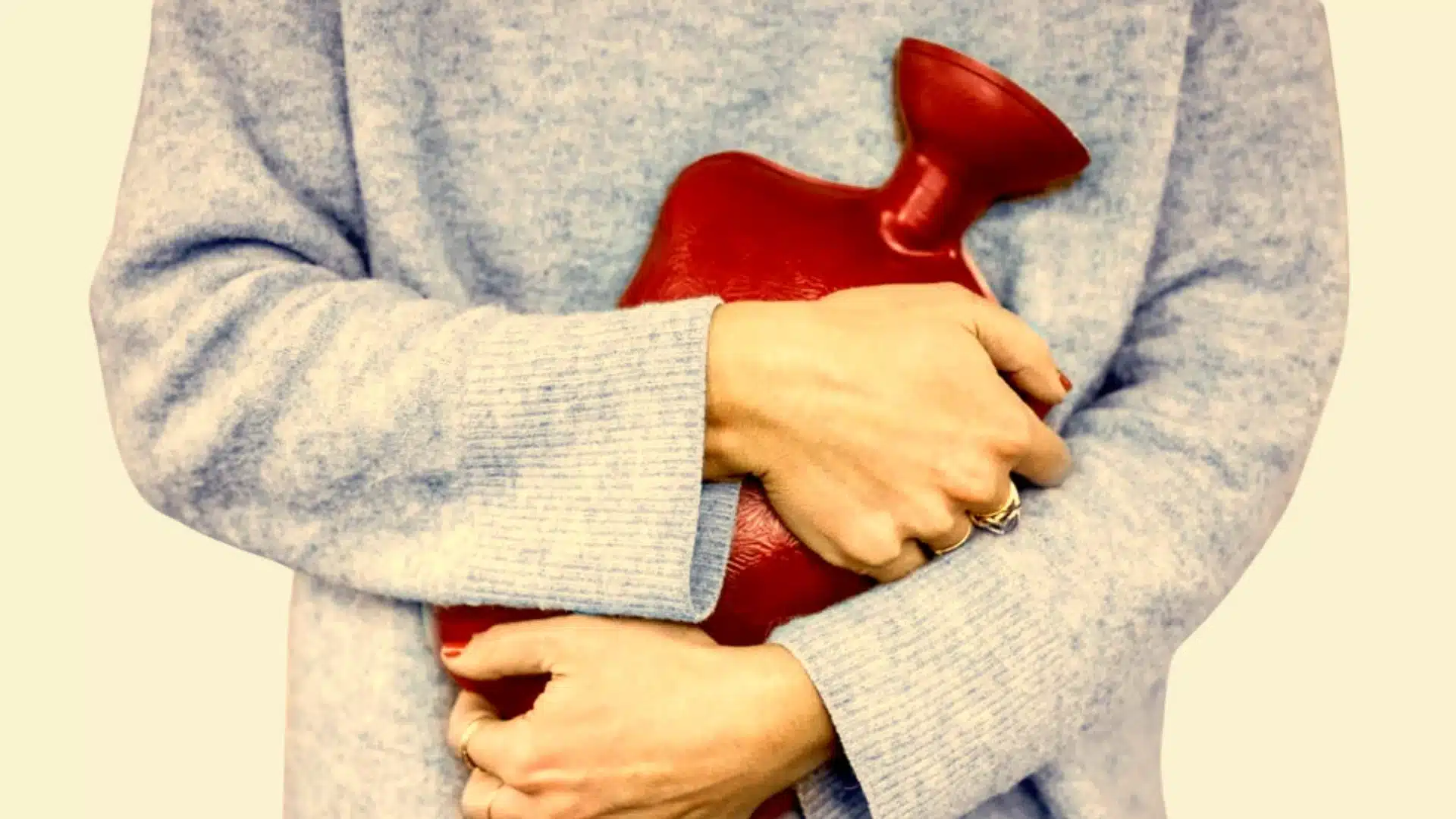
Before rushing to the pharmacy, there are a few simple things you can try at home to ease the discomfort.
These won’t fix an underlying condition, but they can make you feel a little better while you figure out what’s going on.
1. Apply a Warm Compress
A warm (not hot) compress on your lower belly or pelvic area can help relax tense muscles and improve blood flow.
It’s especially helpful if the throbbing is tied to your period or muscle tension.
A warm bath works well too. Just avoid added bath salts or scented soaks if irritation is part of what you’re feeling.
2. Try Pelvic Floor Relaxation
Sometimes throbbing is a sign of pelvic floor tension. Your muscles are holding more than they should be.
A simple way to release that: lie down, take a slow breath in, and as you exhale, consciously let go of the pelvic floor – the same release you’d feel sitting down on the toilet.
It sounds small, but pelvic floor physiotherapists use this exact technique as a starting point.
A few rounds of this throughout the day can genuinely take the edge off.
3. Wear Loose, Breathable Underwear
Tight, synthetic fabrics trap heat and moisture, which can irritate the vulva and make throbbing worse.
Switching to loose, cotton underwear gives your body room to breathe. It’s a small change that genuinely helps, especially if irritation or infection is common.
4. Avoid Irritating Products
Scented soaps, douches, and heavily fragranced washes can disrupt your vaginal pH and trigger inflammation.
Stick to plain warm water to clean the vulva. Your body is pretty good at maintaining itself, and your body absolutely deserves it.
5. Over-the-Counter Pain Relief
For period-related or general pelvic throbbing, ibuprofen can help reduce inflammation.
Always take it with food and follow the recommended dose.
It won’t treat the root cause, but it can make things more manageable while your body heals or while you wait for your appointment.
Always consult a gynae before eating any medication.
6. Rest and Reduce Stress
Stress and exhaustion can actually make pelvic pain and throbbing worse.
Your nervous system plays a prominent role in pelvic discomfort.
Taking time to rest, sleeping well, and managing stress isn’t just good for your mental health, it can genuinely calm things down, physically too.
These tips can help with mild, temporary throbbing, and if your symptoms persist, worsen, or come with other signs like fever or unusual discharge, please see a doctor.
End Note
Look, your body never stops sending messages, and vaginal throbbing is something you shouldn’t ignore.
Don’t normalize pain just because it feels embarrassing to talk about.
Your vaginal health is important and it deserves attention, care, and absolutely zero shame.
So if something feels off, check in with your gynecologist, trust your gut, and remember that asking questions about your body is never wrong.
If you have any questions, leave them in the comments.
People Also Ask
1. Why is my Vagina so Itchy?
Vaginal itching is caused by a yeast infection, bacterial vaginosis, skin irritation, or dryness. Hormonal changes can also trigger it.
2. Can I Put Vaseline on My Private Area for Itching?
Yes, plain Vaseline is generally safe for external vulvar irritation. It soothes dryness and creates a protective barrier. But avoid using it internally.
3. What Does Vaginitis Look Like?
Vaginitis shows redness, swelling, and unusual discharge that may be thick, watery, or discolored. It can also cause itching, burning, and an unpleasant odor.
4. Is It Normal to Scratch Your Private Parts?
Occasional itching is normal. But frequent scratching usually signals irritation, infection, or a skin condition. Scratching can worsen inflammation.
5. Can You Feel if a Woman Came?
During sex, vaginal contractions, increased wetness, and muscle pulsing can indicate orgasm.
